

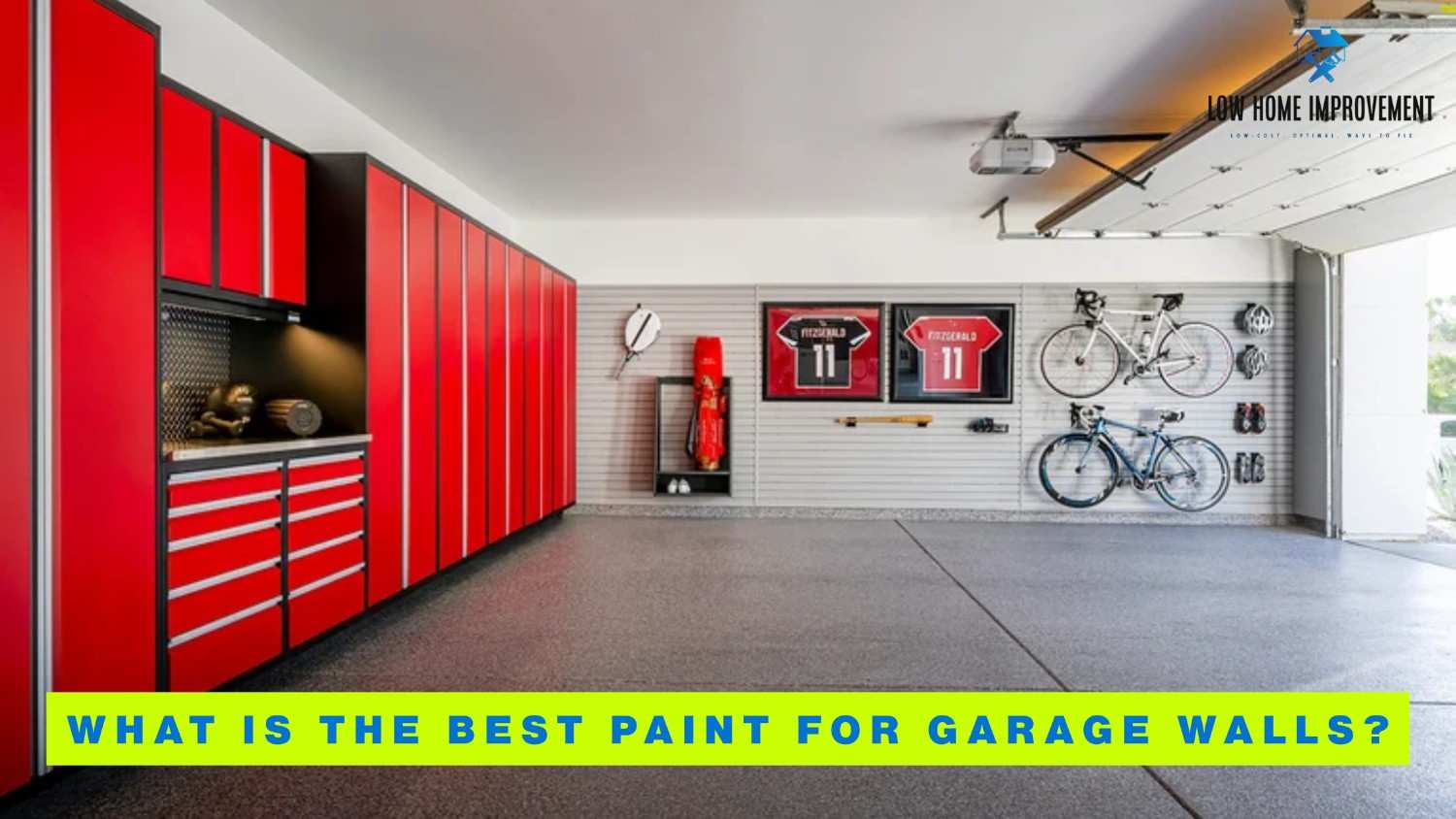
Choosing the right paint for your garage walls might seem simple at first glance, but it’s a decision that can significantly impact the look, durability, and functionality of your space. Many homeowners ask, “What is the best paint for garage walls?” The answer depends on several factors, including the wall material, the level of moisture or humidity in your garage, and the type of finish you prefer. Picking the wrong paint can lead to peeling, cracking, or mold growth, which can make your garage walls look unattractive and even affect the longevity of your paint job.
The best paint for garage walls is typically designed to withstand moisture, resist stains, and hold up against the daily wear and tear of a busy garage. Whether you plan to use your garage as a workshop, a storage area, or even a home gym, selecting a durable paint ensures your walls stay fresh, clean, and protected for years. This section will provide garage wall paint recommendations and guide you through the key types of paints you can choose from.
Why Garage Wall Paint Is Different From Other Wall Paints
Garage walls face unique challenges compared to interior walls. For one, garages often experience fluctuating temperatures and humidity levels, which can cause standard interior paint to peel or bubble. Additionally, garages are prone to stains from oils, chemicals, and dirt. Because of these factors, using a paint specifically formulated for garage walls or high-traffic areas is recommended. A high-quality garage paint will also make cleaning easier and prevent common problems like mold or mildew growth.
Here’s a quick overview of the main types of garage wall paints you can consider:
| Paint Type | Key Features | Best For |
|---|---|---|
| Latex Paint | Water-based, easy to clean, low odor | General garage walls, low moisture areas |
| Oil-Based Paint | Durable, smooth finish, chemical resistant | High-traffic areas, heavy-duty usage |
| Epoxy Paint | Extremely durable, stain and moisture resistant | Concrete walls, workshops, garage floors included |
Each of these paints has its own benefits, and your choice will depend on the conditions of your garage and your long-term goals for maintenance and appearance. In the following sections, we’ll dive deeper into each paint type, explore preparation techniques, and provide brand-specific recommendations to help you choose the ideal paint for your garage walls.
Selecting the right garage wall paint is not just about aesthetics; it’s about protecting your investment, maintaining a clean and functional space, and ensuring your garage remains a durable, long-lasting part of your home. With the right paint, your garage walls can withstand everyday challenges while looking sleek and polished.
Why Choosing the Right Paint for Garage Walls Matters
Selecting the right paint for your garage walls is more than just a cosmetic choice—it’s a practical decision that can affect the longevity, cleanliness, and overall functionality of the space. Not all paints are created equal, and garages present unique challenges such as fluctuating temperatures, exposure to moisture, and accidental spills. That’s why choosing the best paint for garage walls for durability is essential for homeowners who want a clean, attractive, and long-lasting finish.
A well-chosen garage wall paint provides several benefits that go beyond appearance:
- Protection Against Moisture and Mold: Garages often experience high humidity or water exposure, especially in climates with frequent rain or snow. Choosing garage wall paint that resists moisture prevents peeling, bubbling, and the growth of mold or mildew, keeping your walls safe and healthy.
- Easy Cleaning and Stain Resistance: Garages are prone to oil stains, dirt, dust, and chemical spills. High-quality paint makes cleaning easier, and some formulas are specifically designed to resist stains. Paint for garage walls that hides stains ensures that minor marks or dirt won’t leave lasting damage, maintaining a fresh and polished appearance over time.
- Long-Lasting Finish: The garage is often a high-traffic area where walls are bumped, scratched, or otherwise exposed to wear. Using paint designed for durability means your walls will maintain their finish for years without frequent touch-ups or repainting. This is particularly important for homeowners investing in epoxy or high-quality latex options.
In addition to these core benefits, the right paint contributes to aesthetic appeal and functional efficiency. A properly painted garage wall can make the space feel brighter, more organized, and more inviting, whether it’s used as a workshop, a storage area, or even a home gym. With the correct finish, you can also coordinate garage walls with other surfaces like floors, doors, or cabinets, improving the overall style and feel of your home.
Practical Reasons to Invest in Quality Garage Wall Paint
- Saves money over time by reducing the need for frequent repainting
- Prevents costly repairs caused by mold, mildew, or wall damage
- Makes cleaning fast and easy, especially in active garages
- Enhances resale value by providing a polished, professional look
- Allows you to customize colors and finishes to match your preferences
By carefully selecting the best paint for garage walls for durability, you ensure that your garage walls not only look great but also withstand the test of time. It’s an investment in the long-term functionality and appearance of one of the most used spaces in your home.
Types of Paint for Garage Walls
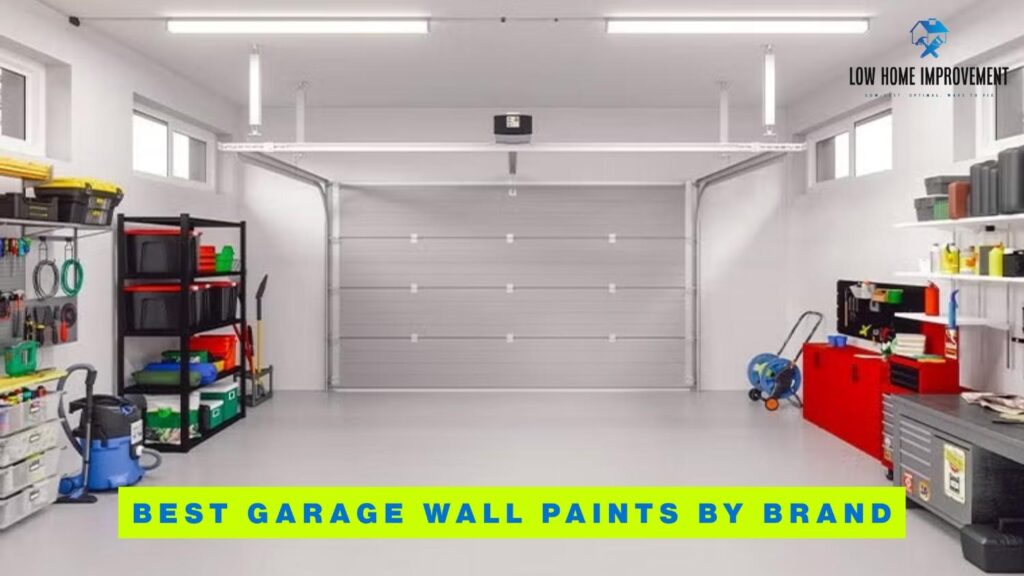
When it comes to painting garage walls, choosing the right type of paint is crucial for durability, aesthetics, and long-term maintenance. Garages face unique challenges—humidity, temperature changes, oil stains, and general wear and tear—so standard interior paint may not always hold up. Understanding the differences between latex paint garage walls, oil-based paint garage walls, and epoxy paint for garage walls can help you select the perfect solution.
Latex Paint for Garage Walls
Latex paint is one of the most common choices for garage walls. Water-based and easy to apply, it offers several advantages for homeowners seeking a quick, reliable solution.
Pros:
- Easy to clean up with soap and water
- Low odor and fast-drying
- Flexible, less prone to cracking
- Resistant to yellowing over time
Cons:
- Slightly less durable than oil-based or epoxy paints
- May require more coats for high-traffic areas
- Not as chemical-resistant as other options
Best Uses:
Latex paint is ideal for garage walls with moderate use, garages with low to medium humidity, or spaces where frequent touch-ups are convenient. It’s also excellent for DIY projects due to its easy application and cleanup.
Keywords naturally used: latex paint garage walls, latex vs oil-based garage paint
Oil-Based Paint for Garage Walls
Oil-based paint provides a durable, smooth finish that can stand up to heavy use. Although less commonly used today due to odor and longer drying times, it remains a strong option for certain garage conditions.
Pros:
- Durable and long-lasting
- Smooth, glossy finish that hides imperfections
- Resistant to chemicals, stains, and scratches
Cons:
- Strong odor and longer drying times
- Requires mineral spirits for cleanup
- Can yellow over time if exposed to sunlight
Best Uses:
Oil-based paint works well for high-traffic garages, walls exposed to chemical splashes, or for homeowners looking for a sleek, professional-looking finish that will last for many years.
Keywords naturally used: oil-based paint garage walls
Epoxy Paint for Garage Walls
Epoxy paint is a favorite among garage enthusiasts who want maximum durability and protection. Often combined with enamel paint garage walls, epoxy provides a hard, resilient coating that stands up to moisture, stains, and heavy wear.
Pros:
- Extremely durable and long-lasting
- Resistant to moisture, mold, and stains
- Provides a glossy, high-end finish
Cons:
- Requires careful surface preparation
- More expensive than latex or oil-based paint
- Application can be tricky for DIY beginners
Best Uses:
Epoxy paint is perfect for concrete walls, workshop garages, or garages prone to moisture. It’s ideal for homeowners looking for a professional, high-performance finish that can withstand years of heavy use.
Keywords naturally used: epoxy paint for garage walls, enamel paint garage walls
Comparison Table: Latex vs Oil-Based vs Epoxy Paint for Garage Walls
| Paint Type | Pros | Cons | Best For |
|---|---|---|---|
| Latex Paint | Easy cleanup, low odor, flexible, non-yellowing | Less durable, multiple coats needed | Moderate-use garages, DIY projects |
| Oil-Based Paint | Durable, smooth finish, chemical-resistant | Strong odor, longer drying, can yellow | High-traffic areas, chemical exposure |
| Epoxy Paint | Extremely durable, moisture & stain resistant | Expensive, tricky application | Concrete walls, workshops, heavy-use garages |
Selecting the right paint type ensures your garage walls will remain functional and visually appealing for years. By understanding the strengths and limitations of latex, oil-based, and epoxy paints, you can make an informed decision that matches your garage’s specific needs and your personal preferences.
Surface Considerations Before Painting Garage Walls
Before you pick your paint and start applying it, understanding your garage wall surface is essential. Proper surface preparation ensures that the paint adheres well, lasts longer, and resists peeling, cracking, or mold. Choosing the best paint for concrete garage walls, cinder block walls, or previously painted surfaces depends heavily on proper prep work.
Concrete Garage Walls
Concrete walls are the most common type of garage walls, and they require specific preparation to ensure the paint sticks and lasts.
Preparation Steps:
- Cleaning: Remove dust, dirt, and oil stains with a degreaser or detergent.
- Priming: Use a concrete or masonry primer to seal pores and provide adhesion for paint.
- Patching Cracks: Fill any cracks or holes with a concrete patch or filler to create a smooth surface.
Recommended Paint: For concrete, both epoxy paint for garage walls and high-quality latex paints work well, depending on your desired finish and durability requirements.
Keywords naturally used: best paint for concrete garage walls, what paint to use on concrete garage walls
Cinder Block Garage Walls
Cinder blocks are porous and can absorb paint unevenly, making prep crucial.
Preparation Steps:
- Cleaning: Sweep away dust and debris, then wash walls with a mild detergent solution.
- Sealing Pores: Apply a masonry sealer to prevent paint from soaking in and ensure uniform coverage.
- Priming: A high-adhesion primer helps paint stick properly and reduces the number of coats needed.
Recommended Paint: Both latex and oil-based paints can be used, but epoxy paints are best for high-moisture or workshop garages.
Keywords naturally used: best paint for cinder block garage walls
Previously Painted Garage Walls
If your garage walls have been painted before, preparation is still essential to ensure proper adhesion of the new paint.
Preparation Steps:
- Sanding: Lightly sand old paint to remove gloss and smooth rough areas.
- Cleaning: Wash walls thoroughly to remove dust and grime.
- Priming: Use a bonding primer to help new paint adhere to the existing surface, especially if changing paint types or colors.
Recommended Paint: Depending on the previous paint, latex, oil-based, or epoxy paints can all work. The key is proper sanding and priming to avoid peeling.
Keywords naturally used: best paint for painted garage walls
Garage Wall Painting Prep Checklist
| Step | Purpose | Notes |
|---|---|---|
| Clean Walls | Remove dirt, oil, mold, or mildew | Use degreaser or mild detergent |
| Patch Cracks & Holes | Smooth surface for paint adhesion | Concrete filler or patching compound |
| Sand Old Paint | Ensure proper adhesion on previously painted walls | Light sanding with fine-grit paper |
| Seal Pores | Prevent uneven absorption | Masonry or concrete sealer |
| Apply Primer | Improve paint adhesion and durability | Use bonding or masonry primer |
Proper preparation is the foundation of a successful garage paint job. Taking the time to clean, patch, sand, and prime your walls ensures that your garage wall paint will last longer, look better, and resist damage from moisture, chemicals, and everyday wear.
Best Garage Wall Paints by Brand
When it comes to selecting the best paint for garage walls, brand reputation, product quality, and durability are key factors. Choosing a trusted paint brand ensures that your walls will resist moisture, stains, and wear for years. Here’s a detailed look at some of the most popular garage wall paint options available on the market.
Sherwin Williams Garage Wall Paint Options
Sherwin Williams is a well-known name in premium paints, offering products specifically formulated for garage and high-traffic areas.
Popular Products:
- Emerald Interior Acrylic Latex: Excellent durability and stain resistance
- ProMar 200 Zero VOC: Ideal for eco-friendly projects with moderate use
- Duration Home Interior Acrylic: Resistant to scuffs, easy to clean
Finishes: Satin, Semi-Gloss, and Eggshell
Durability: High; designed to withstand moisture, stains, and daily wear
Keywords naturally used: sherwin williams best paint for garage walls
Benjamin Moore Garage Paint
Benjamin Moore offers premium-quality paints suitable for garages, including the popular Swiss Coffee shade.
Popular Products:
- Regal Select Interior Paint: Smooth finish, high durability
- Aura Interior Paint: Long-lasting, easy to clean, and resists stains
Finishes: Satin, Semi-Gloss, and Matte
Best Uses: Dry or moderately humid garages
Keywords naturally used: benjamin moore best paint for garage walls, swiss coffee benjamin moore for garage walls
Behr Garage Paint
Behr Paints provide affordable and durable garage wall options for homeowners on a budget.
Popular Products:
- Behr Premium Plus Ultra: Dual-action paint and primer
- Behr Marquee: High hide, stain resistance, easy cleaning
Finishes: Satin, Semi-Gloss
Durability: Medium to high; performs well in moderate-use garages
Keywords naturally used: behr paint for garage walls
Rust-Oleum Garage Paint
Rust-Oleum specializes in epoxy and enamel paints, ideal for garages and workshops.
Popular Products:
- Rust-Oleum Painter’s Touch 2X Ultra Cover: Smooth, durable, chemical-resistant finish
- Rust-Oleum EpoxyShield: Moisture-resistant, long-lasting protection
Finishes: Gloss, Semi-Gloss
Durability: Very high; ideal for heavy-use garages or workshops
Keywords naturally used: rustoleum paint for garage walls
Kilz Garage Paint
Kilz is known for high-quality primers and paints, especially for problem surfaces.
Popular Products:
- Kilz Premium Interior/Exterior Latex: Excellent adhesion and stain-blocking
- Kilz Complete Coat: One-coat coverage, resistant to moisture and mold
Finishes: Satin, Semi-Gloss
Durability: High; suitable for concrete and cinder block garages
Keywords naturally used: kilz paint for garage walls
Comparison Table: Best Garage Wall Paints by Brand
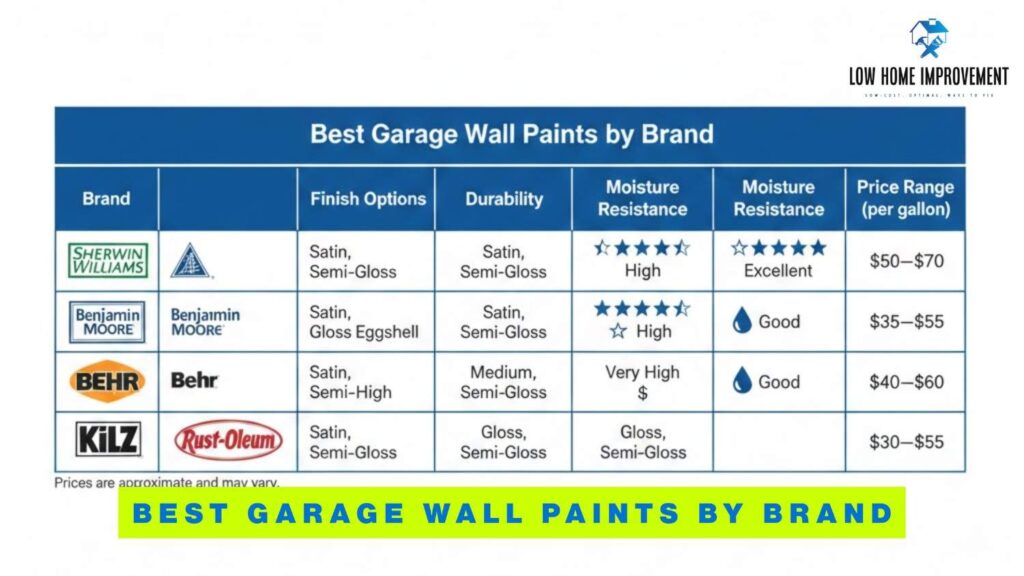
| Brand | Finish Options | Durability | Moisture Resistance | Price Range (per gallon) |
|---|---|---|---|---|
| Sherwin Williams | Satin, Semi-Gloss, Eggshell | High | Excellent | $50–$70 |
| Benjamin Moore | Satin, Semi-Gloss, Matte | High | Good | $55–$75 |
| Behr | Satin, Semi-Gloss | Medium-High | Good | $35–$50 |
| Rust-Oleum | Gloss, Semi-Gloss | Very High | Excellent | $40–$60 |
| Kilz | Satin, Semi-Gloss | High | Excellent | $30–$55 |
Selecting the right paint brand for your garage walls ensures your space remains functional, clean, and attractive for years to come. By considering durability, moisture resistance, and finish, homeowners can choose the best product for their needs while also matching their garage’s style and use.
Color Choices and Finishes for Garage Walls
Choosing the right color and finish for your garage walls is just as important as selecting the paint type. The right shade can brighten a dark space, make the area feel clean and organized, and even protect your walls by showing less dirt or stains. While functionality is key, aesthetics also matter—after all, garages are often more than storage spaces; they may double as workshops, home gyms, or hobby areas.
Neutral Colors
Neutral shades are the most popular choice for garage walls because they create a clean, versatile backdrop that works with any décor or flooring. Colors like white, off-white, light gray, and beige are easy to maintain and can make your garage feel brighter and more spacious.
Benefits of Neutral Colors:
- Hide dust and minor stains effectively
- Complement cabinets, shelving, and floor coatings
- Timeless look that won’t feel outdated
Keywords naturally used: garage wall paint color ideas, neutral garage wall paint colors
Bold or Accent Colors
For those who want a more personalized or dynamic garage space, bold or accent colors can add energy and personality. Deep blues, forest greens, or even bright reds can make a workshop feel more inspiring or a hobby garage feel unique. Accent colors are also a great way to visually separate zones within the garage, such as storage, workbench, or exercise areas.
Tips for Bold Colors:
- Use sparingly or on a single wall to avoid overwhelming the space
- Pair with neutral trims or flooring to maintain balance
- Choose paint with stain-resistant properties to maintain appearance
Paint Finish Options
The finish of your garage paint affects both aesthetics and durability. Choosing the best finish for garage walls ensures easier cleaning and resistance to wear. Common finishes include:
- Semi-Gloss: Durable, moisture-resistant, easy to wipe clean. Ideal for garages exposed to humidity or spills.
- Satin: Smooth, slightly reflective finish. Easier to maintain than matte but less glossy than semi-gloss.
- Matte: Provides a soft, low-sheen look but can be harder to clean and more prone to showing stains.
Selecting the right finish depends on your priorities: durability, ease of cleaning, or a specific visual effect. For high-use garages, semi-gloss or satin is often recommended.
Garage Wall Color Recommendation Table
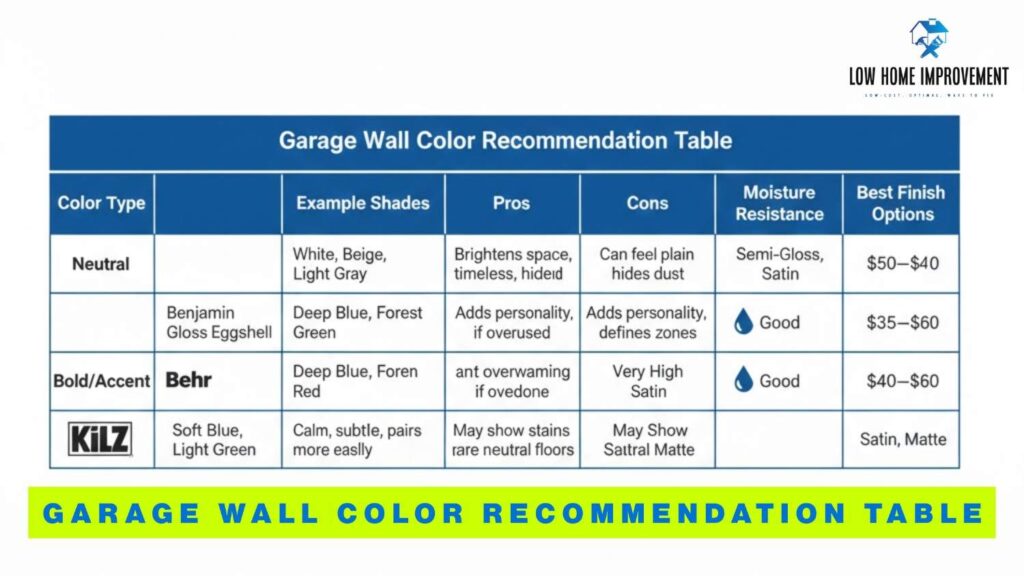
| Color Type | Example Shades | Pros | Cons | Best Finish Options |
|---|---|---|---|---|
| Neutral | White, Beige, Light Gray | Brightens space, timeless, hides dust | Can feel plain if overused | Semi-Gloss, Satin |
| Bold/Accent | Deep Blue, Forest Green, Red | Adds personality, defines zones | Can be overwhelming if overdone | Semi-Gloss, Satin |
| Soft Pastels | Soft Blue, Light Green | Calm, subtle, pairs with neutral floors | May show stains more easily | Satin, Matte |
Selecting the right color and finish for garage walls is a combination of style and practicality. Neutrals provide flexibility and timeless appeal, bold colors add energy and personality, and the proper finish ensures long-lasting beauty. By considering your garage’s use, lighting, and cleaning requirements, you can create a space that looks great and performs well for years.
How to Paint Garage Walls Step-by-Step
Painting garage walls may seem like a simple task, but following a structured approach ensures long-lasting results and a professional-looking finish. From surface prep to drying, each step matters. This guide will walk you through step-by-step how to paint garage walls, using the right tools, techniques, and tips for a durable, clean finish.
Surface Preparation
Before applying any paint, proper preparation is crucial. A well-prepared wall prevents peeling, bubbling, or uneven finishes.
Steps for Surface Preparation:
- Clean the walls: Remove dirt, dust, grease, and mildew using a degreaser or mild detergent.
- Patch cracks and holes: Use concrete patch or filler for small cracks in concrete or cinder block walls.
- Sand glossy or old paint: Smooth rough spots and create a better surface for adhesion.
- Seal pores if needed: Apply a masonry sealer for porous concrete or cinder block surfaces.
Tips:
- Wear gloves and safety glasses while cleaning and sanding.
- Allow walls to fully dry before moving to primer or paint.
Priming the Walls
Primer improves paint adhesion, covers imperfections, and enhances durability.
Priming Steps:
- Choose a bonding primer for previously painted surfaces or an acrylic masonry primer for concrete/cinder block walls.
- Apply primer evenly using a roller for large areas and a brush for corners and edges.
- Allow primer to dry completely as per the manufacturer’s instructions.
Tips:
- One coat of primer is usually sufficient unless the surface is highly porous or stained.
- Priming also helps prevent mold growth on moisture-prone walls.
Painting Technique
Once the primer is dry, you can begin painting. Choosing the right tool depends on wall size, texture, and paint type.
Painting Tools:
- Brushes: Ideal for corners, edges, and small areas.
- Rollers: Best for large, flat wall surfaces. Use a medium nap for smooth walls and a thicker nap for textured surfaces.
- Sprayers: Great for fast coverage on large or uneven surfaces but require careful masking to avoid overspray.
Painting Tips:
- Start with edges and corners before moving to large wall areas.
- Apply paint in thin, even coats to prevent drips.
- Maintain a wet edge to avoid lap marks.
Drying and Additional Coats
Allow adequate drying time between coats to ensure a smooth, durable finish.
Steps:
- Let the first coat dry according to the paint manufacturer’s instructions (usually 4–6 hours for latex paints, longer for oil-based).
- Inspect walls for missed spots or uneven coverage.
- Apply a second coat for even color and maximum durability.
Tips:
- Two coats are generally recommended for garage wall paint that resists moisture and stains.
- Avoid painting in extreme temperatures or high humidity.
See also How Much Does Drywall Repair Cost
DIY Garage Wall Painting Checklist
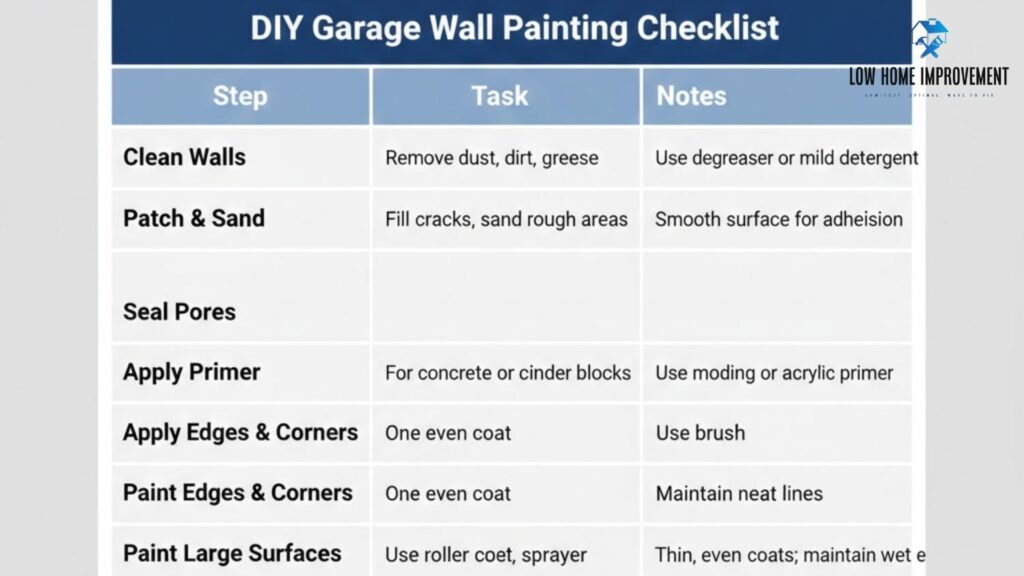
| Step | Task | Notes |
|---|---|---|
| Clean Walls | Remove dust, dirt, grease | Use degreaser or mild detergent |
| Patch & Sand | Fill cracks, sand rough areas | Smooth surface for adhesion |
| Seal Pores | For concrete or cinder blocks | Use masonry sealer |
| Apply Primer | One even coat | Bonding or acrylic primer |
| Paint Edges & Corners | Use brush | Maintain neat lines |
| Paint Large Surfaces | Use roller or sprayer | Thin, even coats; maintain wet edge |
| Dry & Inspect | Let coat dry thoroughly | Apply additional coats if necessary |
By following these steps, even DIY beginners can achieve professional-looking garage walls. Proper preparation, priming, careful painting, and drying ensures that your walls remain durable, moisture-resistant, and easy to maintain for years.
Common Mistakes to Avoid When Painting Garage Walls
Painting garage walls can transform a dull or dirty space into a clean, attractive, and functional area. However, even small mistakes can compromise the durability and appearance of your paint job. Understanding common mistakes to avoid when painting garage walls helps you save time, money, and frustration while ensuring long-lasting results.
Skipping Primer
One of the biggest mistakes homeowners make is skipping primer. Primer ensures paint adheres properly, covers stains, and blocks moisture. Without primer, paint can peel, bubble, or fade prematurely.
Tips:
- Always use a primer suited to your wall type—masonry primer for concrete or cinder blocks, bonding primer for previously painted walls.
- Even if your paint claims “paint + primer,” an extra coat of dedicated primer is often worth it for longevity.
Using the Wrong Paint Type
Choosing the wrong paint type for your garage walls can lead to cracking, peeling, or poor stain resistance.
Tips:
- Use latex paint for garage walls for easy cleaning and low odor.
- Consider epoxy or enamel paint for concrete floors or heavy-use walls.
- Avoid interior wall paints not designed for moisture-prone or high-traffic areas.
Ignoring Moisture Issues
Moisture is the silent enemy of garage wall paint. If the walls are damp, peeling, or mold may develop over time.
Tips:
- Test walls for moisture before painting.
- Seal cracks and pores in concrete or cinder block walls.
- Choose garage wall paint that resists moisture for long-term durability.
Poor Surface Cleaning
Failing to clean the surface properly is another frequent mistake. Dirt, dust, grease, or mold can prevent paint from sticking and cause uneven coverage.
Tips:
- Wash walls thoroughly with a degreaser or mild detergent.
- Sand any glossy spots and remove loose paint.
- Allow walls to dry completely before priming or painting.
Mistakes vs Solution Table
| Common Mistake | Solution / Fix |
|---|---|
| Skipping primer | Apply a suitable primer for adhesion and stain blocking |
| Using wrong paint type | Choose paint specifically for garages (latex, epoxy, enamel) |
| Ignoring moisture issues | Test walls, patch cracks, use moisture-resistant paint |
| Poor surface cleaning | Clean walls, remove dust/grease, sand glossy spots |
| Applying too thick coats | Apply thin, even coats for smooth finish |
| Painting in extreme conditions | Avoid high humidity or very low temperatures |
By avoiding these common mistakes, you can ensure that your garage walls not only look great but also stand up to moisture, stains, and everyday wear. Proper preparation, paint selection, and technique are critical for achieving durable and long-lasting garage wall results.
See also 10×10 Kitchen Remodel
Maintenance and Longevity of Garage Wall Paint
Once you have invested time and effort into painting your garage walls, maintaining them properly ensures they stay durable, attractive, and functional for years. Using the best paint for garage walls longevity combined with simple upkeep practices can save you from frequent repainting and costly repairs. This section will guide you through practical steps to maximize the lifespan of your garage wall paint.
Cleaning Tips
Regular cleaning prevents stains, dirt buildup, and damage to the paint surface.
Simple cleaning tips include:
- Use a soft cloth or sponge with mild detergent for routine dust and dirt removal.
- For stubborn oil or grease stains, a degreaser or warm soapy water works well.
- Avoid abrasive cleaners or scrubbing pads that can scratch the paint finish.
- Consider spot cleaning spills immediately to prevent permanent stains.
Proper cleaning not only preserves appearance but also protects against long-term damage, especially if you have garage wall paint maintenance priorities like moisture or high-traffic areas.
Touch-ups and Repairing Chips
Even with durable paint, minor chips, scratches, or marks are inevitable over time. Regular touch-ups keep the walls looking fresh.
Tips for touch-ups:
- Keep leftover paint from your original project for small repairs.
- Lightly sand damaged areas before applying touch-up paint for smooth blending.
- Apply a thin coat, let it dry, and if needed, add a second layer for even coverage.
- For larger chips, patch the wall first with filler or primer, then repaint.
By addressing small imperfections early, you extend the longevity of your garage wall paint and maintain a clean, polished look.
When to Repaint
Knowing when to repaint is crucial to avoid a worn-out appearance or structural issues caused by peeling or moisture. Signs it’s time to repaint include:
- Noticeable peeling, cracking, or bubbling of the paint
- Faded or dull colors that no longer brighten the garage space
- Persistent stains or mold spots that resist cleaning
For most garages using high-quality paint like latex or epoxy, repainting may not be necessary for 5–10 years, depending on usage, exposure to moisture, and wall condition.
Maintenance Checklist for Garage Wall Paint:
| Maintenance Task | Frequency | Notes |
|---|---|---|
| Dusting and light cleaning | Weekly/Monthly | Use soft cloth or sponge |
| Spot cleaning spills | As needed | Clean immediately to avoid stains |
| Touch-ups for chips | Every 6–12 months | Sand and repaint small areas |
| Inspect for damage | Annually | Look for peeling, moisture damage, mold |
| Full repaint | Every 5–10 years | Depends on paint type and wall usage |
Proper garage wall paint maintenance not only keeps your walls looking new but also protects them from moisture, stains, and daily wear. By following these cleaning, touch-up, and repainting guidelines, you can ensure that your garage walls maintain their durability, beauty, and functionality for years to come.
See also Can You Use Pine-Sol on Wood Floors
Frequently Asked Questions About Garage Wall Paint
Painting garage walls raises many practical questions, especially for first-time DIYers or homeowners upgrading an older space. Below are the most common queries and answers to help you make informed decisions.
What is the best paint for garage walls?
The best paint for garage walls depends on your priorities. Latex paint is ideal for easy cleaning and low odor, while epoxy paint for garage walls offers superior durability and moisture resistance. Oil-based paints provide a hard finish but can be harder to work with. Always choose a paint that resists stains, moisture, and frequent wear.
Can I use interior paint for garage walls?
While standard interior paint can be used, it may not withstand the typical wear and tear of a garage. Garage walls are exposed to moisture, temperature changes, and accidental spills, so it’s better to use paints specifically labeled for garages or high-traffic areas. Garage wall paint that resists moisture and stains is highly recommended for longevity.
Is epoxy better than latex for garage walls?
Epoxy paint for garage walls is more durable, resistant to chemicals, and easier to clean than standard latex. However, latex paint is easier to apply, dries faster, and is more forgiving for DIY projects. If you want long-lasting protection and don’t mind a slightly more intensive application, epoxy is the better choice. For a budget-friendly, easier option, high-quality latex works well.
How many coats of paint do I need for garage walls?
Typically, two coats are recommended for garage wall paint that hides stains and provides long-term durability. Primer counts as the first coat in some cases, but applying two finish coats ensures even color, smooth texture, and protection against wear and moisture.
What is the best finish for garage walls?
Semi-gloss or satin finishes are ideal for garage walls because they resist dirt, are easy to clean, and reflect light, making the space brighter. Matte finishes are less forgiving with stains and scratches, so they are generally not recommended for high-traffic garage walls.
Quick FAQ Summary Table:
| Question | Answer |
|---|---|
| Best paint for garage walls? | Latex, epoxy, or oil-based depending on durability and ease of use |
| Can I use interior paint? | Not ideal; choose paint designed for garages or high-traffic areas |
| Epoxy vs latex? | Epoxy is more durable; latex is easier for DIY and fast drying |
| How many coats needed? | Two finish coats plus primer recommended |
| Best finish? | Semi-gloss or satin for stain resistance and easy cleaning |
Final Thoughts on Choosing the Best Paint for Garage Walls
Choosing the best paint for garage walls involves more than picking a color. Success depends on proper surface prep, selecting the right type of paint, choosing the right brand, and maintaining your walls.
Key Takeaways:
- Surface Preparation: Clean, patch, sand, and prime walls to ensure paint adhesion.
- Paint Type: Latex for DIY ease, epoxy for durability, oil-based for hard finish.
- Brands: Top options include Sherwin Williams, Benjamin Moore, Behr, Rust-Oleum, and Kilz.
- Color & Finish: Neutral colors for brightness, bold for accents; semi-gloss or satin finishes for easy cleaning.
- Maintenance: Regular cleaning, touch-ups, and periodic repainting extend paint life.
Top Picks Summary Table:
| Paint Type | Recommended Brands | Finish | Durability | Moisture Resistance | Price Range |
|---|---|---|---|---|---|
| Latex | Sherwin Williams, Behr | Semi-gloss | Medium | Medium | $30–$50 |
| Oil-Based | Benjamin Moore, Kilz | Satin | High | Medium-High | $35–$55 |
| Epoxy/Enamel | Rust-Oleum, Sherwin Williams | Gloss | Very High | Very High | $50–$80 |
By following this guide, homeowners can confidently select a garage wall paint that balances durability, aesthetics, and ease of maintenance. Investing time in preparation, using the right paint, and maintaining walls ensures your garage stays functional, attractive, and long-lasting.
