

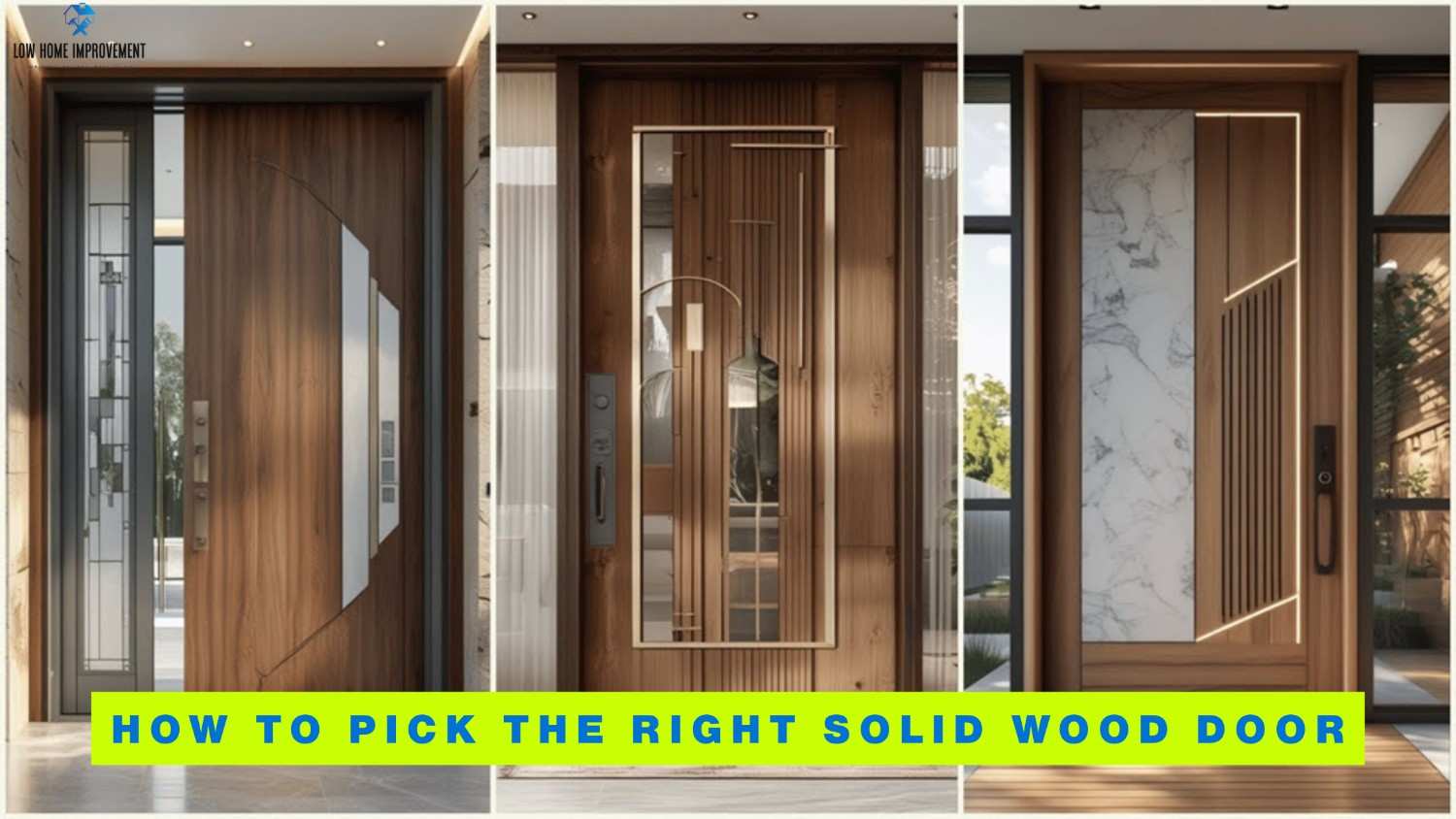
A solid wood door is more than just a functional entryway. it is a statement of style, quality, and personality for your home. Choosing the right Solid wood door for interiors can elevate the aesthetic of any space, from modern living rooms to traditional bedrooms.
With numerous designs, finishes, and wood types available, the decision can feel overwhelming. This guide will help you understand everything you need to consider when selecting the perfect solid wood door for your interiors, ensuring it complements both your décor and lifestyle.
Why Choose a Solid Wood Door?
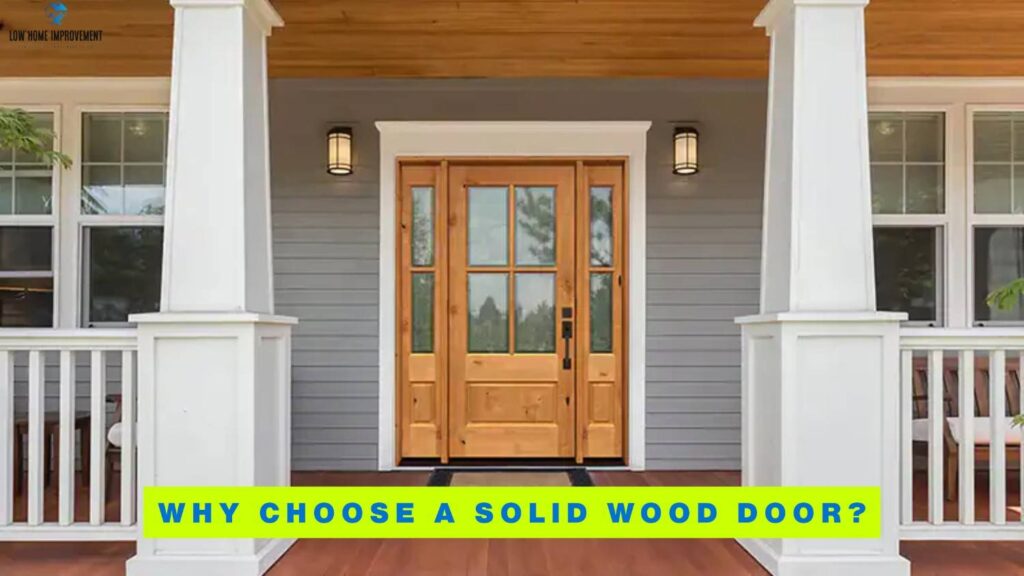
Solid wood doors are known for their durability, natural beauty, and timeless appeal. Unlike hollow or engineered doors, they provide better insulation, soundproofing, and security.
A high-quality solid wood door can last decades when properly maintained, making it a worthwhile investment. Beyond functionality, these doors add warmth, texture, and character to any interior, creating a welcoming, luxurious feel in your home.
Popular Types of Solid Wood for Doors
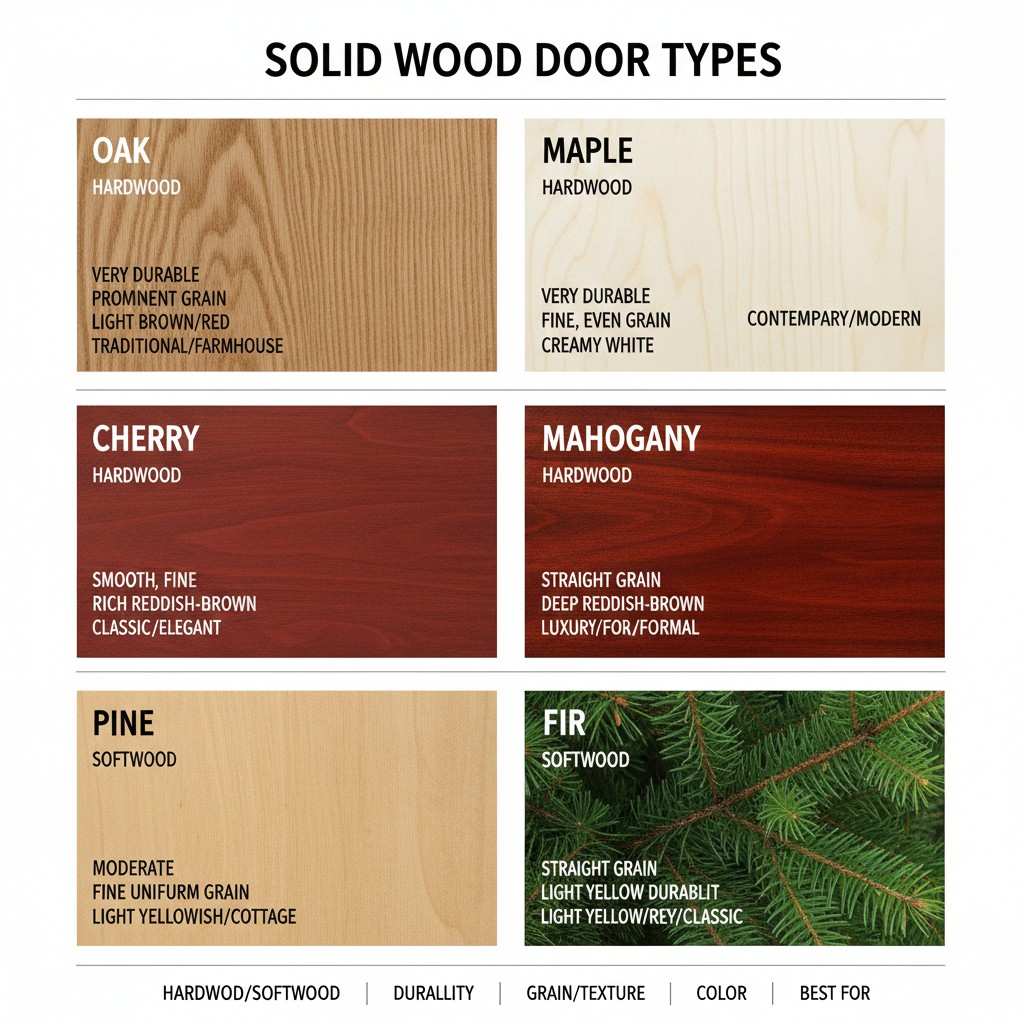
| Wood Type | Hardwood/Softwood | Durability | Grain/Texture | Color | Best For |
|---|
| Oak | Hardwood | Very Durable | Prominent grain, distinctive texture | Light to medium brown with reddish hues | Traditional, rustic, and farmhouse styles |
| Maple | Hardwood | Durable | Fine, even grain | Light, creamy white to pale brown | Contemporary, minimalist, and modern interiors |
| Cherry | Hardwood | Very Durable | Smooth, fine grain | Rich reddish-brown that darkens with age | Classic, elegant, and formal settings |
| Mahogany | Hardwood | Very Durable | Straight grain with some interlocking | Deep reddish-brown with a rich luster | Luxury, traditional, and formal spaces |
| Pine | Softwood | Moderate Durability | Fine, uniform grain | Light yellowish to pale brown | Budget-friendly, rustic, and cottage styles |
| Fir | Softwood | Moderate Durability | Straight grain with subtle texture | Light yellow to reddish-brown | Budget-friendly, classic, and cottage settings |
When picking a solid wood door, the type of wood matters. Hardwoods such as oak, maple, cherry, and mahogany are durable and wear-resistant. Softwoods like pine or fir offer a more budget-friendly option while still providing a classic look.
Each type of wood has unique grain, texture, and color, allowing homeowners to choose a finish that aligns with their interior style, whether rustic, contemporary, or traditional.
Modern vs. Classic Solid Wood Door Designs
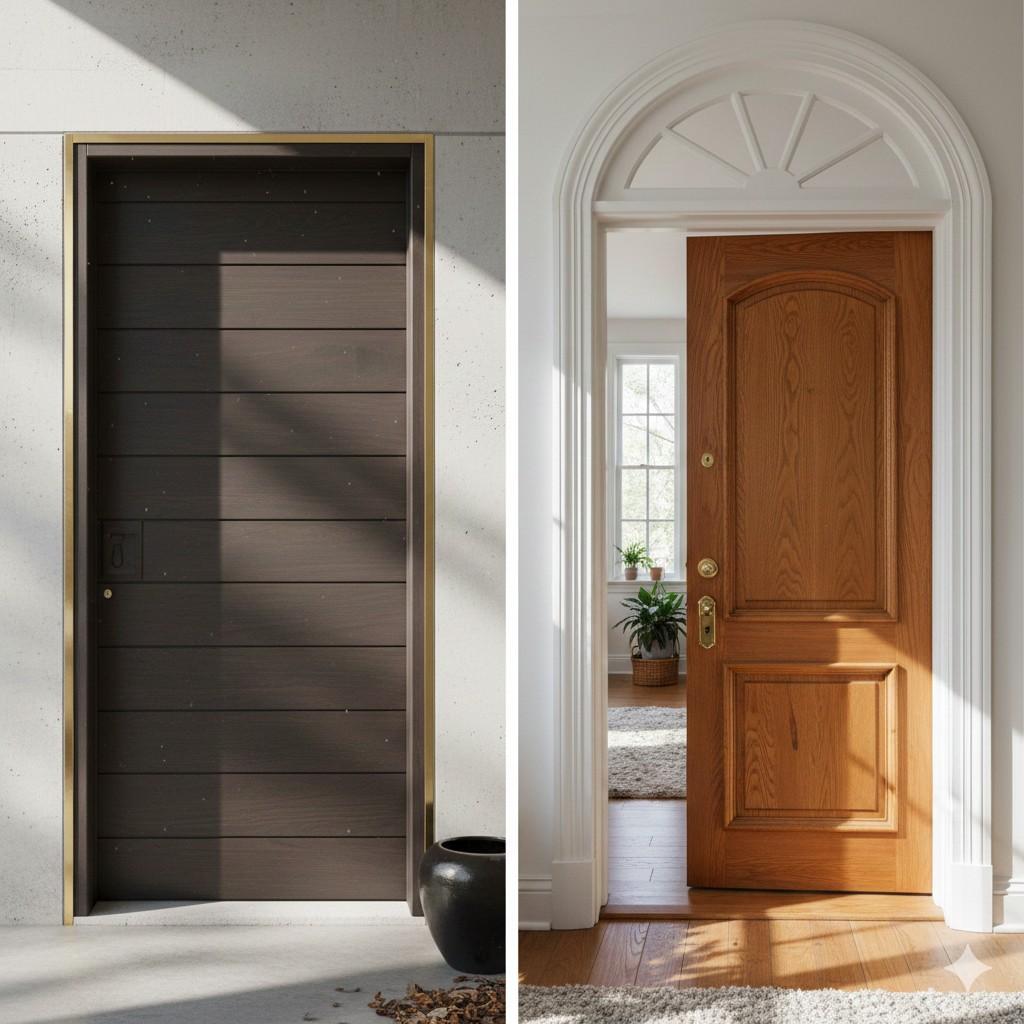
Solid wood doors come in a variety of designs to suit different tastes. Modern designs often feature clean lines, minimal panels, and sleek finishes, ideal for contemporary interiors. Classic designs include intricate carvings, raised panels, or decorative moldings, perfect for traditional or vintage-inspired spaces. Understanding your home’s style will help you select a door that feels cohesive while standing out as a design element.
Choosing the Right Finish
| Finish Type | Appearance | Durability | Best For |
|---|---|---|---|
| Natural/Clear Finish | Highlights the wood’s natural grain and texture | Moderate, may require reapplication over time | Showcasing wood’s natural beauty, rustic or organic style |
| Stained Finish | Enhances the wood’s tone, can darken or enrich the color | High, offers good protection against wear and tear | Maintaining natural beauty with deeper or varied tones |
| Painted Finish | Provides vibrant or neutral colors | High, protects wood well from moisture and sunlight | Matching specific décor, providing a solid, uniform color |
The finish of a Solid door affects both aesthetics and durability. Natural or clear finishes highlight the wood’s grain and texture, creating a warm, organic look.
Stained finishes can enhance the wood tone while preserving its natural beauty, and painted finishes offer vibrant or neutral colors to match your décor.
Consider the amount of sunlight, humidity, and daily wear when choosing a finish to ensure long-lasting beauty and protection.
Door Sizes and Proportions
A solid wood door must fit perfectly within your interior space. Standard interior doors are usually 80 inches tall, but custom heights are available for unique layouts.
The width and thickness should balance functionality with style, ensuring smooth operation while enhancing visual appeal.
Properly proportioned doors complement room dimensions, maintain harmony in your interior design, and create a sense of balance in each space.
Hardware and Accessories
| Hardware/Accessory | Material Options | Style Recommendations | Functionality |
|---|---|---|---|
| Handles/Knobs/Levers | Brass, Brushed Nickel, Matte Black | Modern interiors: minimalist; Traditional interiors: ornate | Easy access, enhances the door’s functionality and aesthetics |
| Hinges | Stainless Steel, Brass, Matte Black | Modern: Hidden or sleek design; Traditional: Decorative | Provides sturdy door movement and stability |
| Locks | Brass, Chrome, Black | Matching the door’s finish and hardware style | Ensures security and privacy |
The right hardware can elevate a solid wood door’s look and functionality. Modern handles, knobs, or levers in materials like brass, brushed nickel, or matte black enhance the door’s design while providing practical use.
Hinges, locks, and other accessories should match both the style and finish of the door. For modern interiors, minimalist hardware works best, while ornate handles suit traditional doors, adding character and elegance.
See also How Much Does Drywall Repair Cost
Maintenance Tips for Solid Wood Doors
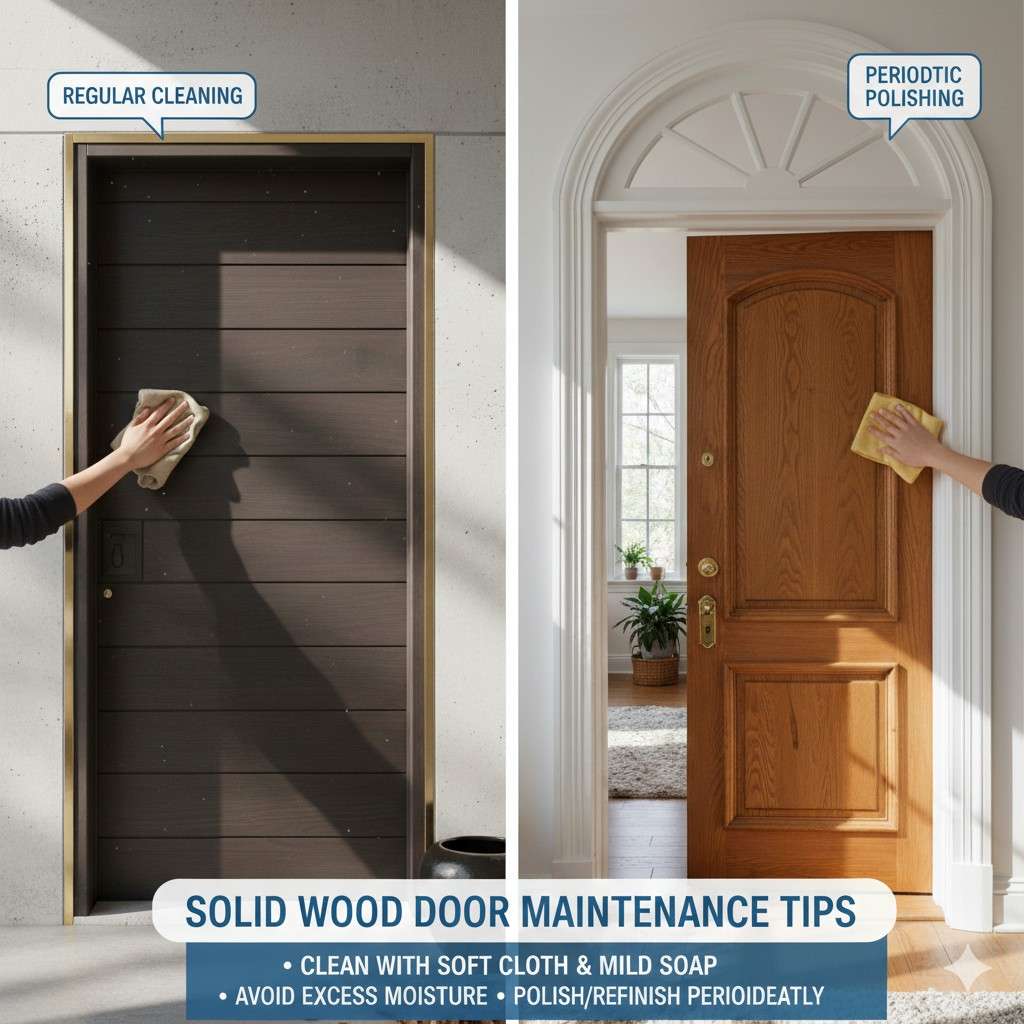
| Maintenance Tip | Recommendation | Frequency | Benefits |
|---|---|---|---|
| Regular Cleaning | Use a soft cloth and mild detergent to wipe the door | Weekly or as needed | Prevents dust and dirt buildup, keeps the door clean |
| Avoid Excessive Moisture | Keep doors away from direct water exposure; use dehumidifiers in damp areas | As needed | Prevents warping, cracking, and swelling of wood |
| Polishing or Refinishing | Apply a wood polish or refinishing product to maintain the finish | Every 6–12 months or as needed | Restores shine and enhances the door’s natural beauty |
| Check for Damage | Inspect for cracks, scratches, or signs of wear | Annually | Helps detect issues early and prevent further damage |
Solid wood doors are durable, but proper maintenance ensures longevity and beauty. Regular cleaning with a soft cloth and mild detergent prevents dust and dirt buildup.
Avoid excessive moisture to prevent warping or cracking. Periodic polishing or refinishing keeps the door looking fresh and preserves its natural charm. Taking these small steps keeps your solid wood door a stunning centerpiece of your interiors for years.
Common Mistakes to Avoid
| Mistake | What to Avoid | How to Avoid It | Impact |
|---|---|---|---|
| Rushing the Decision | Choosing based only on appearance, without considering practical needs | Take time to research and consider door function, style, and materials | Can lead to poor functionality, poor fit, or mismatch with home décor |
| Inaccurate Measurements | Failing to measure the door frame or space properly | Measure carefully before purchasing, considering swing direction and clearance | Can result in an ill-fitting door, causing installation issues |
| Neglecting Door Functionality | Focusing only on aesthetics and ignoring practical features like security or insulation | Choose a door that balances both style and functionality based on needs (e.g., security, soundproofing) | Reduced door performance and security risks |
| Inadequate Hardware Selection | Selecting hardware that doesn’t match the door’s style or material | Match hardware (handles, hinges, locks) with both door style and finish | Mismatched hardware can reduce the door’s aesthetic appeal and functionality |
| Ignoring Maintenance | Failing to care for the door after installation | Follow regular maintenance, cleaning, and refinishing tips to keep the door in good condition | Can shorten the lifespan of the door, affecting appearance and functionality |
When selecting a solid wood door, avoid rushing the decision or focusing only on aesthetics. Measure your space carefully, consider the door’s function, and choose a wood type that matches your lifestyle. Neglecting proper hardware selection or failing to meet maintenance requirements can shorten the door’s lifespan. Thoughtful planning ensures your investment delivers style, durability, and value over time.
Energy Efficiency and Soundproofing
Solid wood doors are naturally better at insulation and soundproofing compared to hollow-core doors. They help regulate indoor temperatures and reduce noise between rooms, enhancing comfort and privacy.
For interiors, solid wood doors are a practical choice for bedrooms, offices, and living areas. Selecting a well-sealed door with the right thickness maximizes these benefits while contributing to your home’s overall energy efficiency.
See also 10×10 Kitchen Remodel
Final Thoughts
Choosing the right solid wood door for interiors with Knockety involves balancing aesthetics, durability, and functionality.
From selecting the perfect wood type and finish to considering hardware, size, and maintenance, every detail contributes to a door that enhances your home’s overall appeal.
Knockety’s solid wood doors are a long-term investment that provides style, warmth, and practicality. By making informed choices with Knockety, you can ensure your interior doors remain a beautiful, functional feature of your home for years to come.
Frequently Asked Questions (FAQs)
1. What is a solid wood door?
A solid wood door is made entirely from natural wood rather than hollow or composite materials. It offers superior durability, insulation, soundproofing, and a premium look for interior spaces.
2. Are solid wood doors good for interior use?
Yes, solid wood doors are an excellent choice for interiors. They provide better privacy, reduce noise between rooms, and add warmth and elegance to living rooms, bedrooms, and home offices.
3. Which wood is best for solid interior doors?
Popular choices include oak, mahogany, maple, and cherry for durability, while pine and fir are more affordable options. The best wood depends on your budget, interior style, and maintenance preferences.
4. How long do solid wood doors last?
With proper care and maintenance, solid wood doors can last several decades. Regular cleaning, avoiding excess moisture, and occasional refinishing help maintain their strength and appearance.
5. Do solid wood doors require a lot of maintenance?
No, solid wood doors are easy to maintain. Simple cleaning, protecting them from moisture, and periodic polishing or refinishing are usually enough to keep them looking new.
6. Are solid wood doors better than engineered or hollow doors?
Solid wood doors outperform hollow and engineered doors in durability, soundproofing, insulation, and overall quality. While they cost more upfront, they offer better long-term value.
7. Can solid wood doors be painted or stained?
Yes, solid wood doors can be painted or stained. Stains highlight the natural grain, while paint allows you to match or contrast with your interior décor.
8. Do solid wood doors help with soundproofing?
Yes, solid wood doors naturally reduce noise transfer between rooms, making them ideal for bedrooms, offices, and spaces where privacy is important.
9. What is the standard size for interior solid wood doors?
Most interior solid wood doors are around 80 inches tall, but custom sizes are available to suit unique layouts or higher ceilings.
10. Are solid wood doors energy efficient?
Solid wood doors provide better insulation than hollow doors, helping maintain indoor temperatures and improve overall energy efficiency within your home.
11. How do I choose the right finish for a solid wood door?
Choose a finish based on lighting, humidity, and interior style. Clear finishes showcase natural grain, stains enhance wood tones, and painted finishes offer design flexibility.
12. What hardware works best with solid wood doors?
High-quality handles, hinges, and locks made from brass, matte black, or brushed nickel work best. The hardware should match the door style for a cohesive look.
13. Are solid wood doors worth the investment?
Yes, solid wood doors are a long-term investment. They enhance interior aesthetics, increase durability, improve comfort, and add value to your home.
14. Can solid wood doors warp over time?
Solid wood doors can warp if exposed to excessive moisture or poor installation. Proper sealing, quality finishes, and professional fitting help prevent this issue.
15. Where are solid wood interior doors best used?
They are ideal for bedrooms, living rooms, offices, and study areas where durability, sound control, and visual appeal matter most.
