


Choosing a sofa is a big deal. A sofa is not just a seat. It is where you relax, watch TV, talk with family, and rest after a long day. That is why picking the right sofa material matters so much.
Most people feel confused when choosing between leather sofas vs fabric sofas. Both look nice. Both feel comfy. But they work very differently in daily life.
Your lifestyle plays a huge role. Do you have kids who spill juice? Do you have pets that shed hair? Do you live in a hot or cold place? Do you want a sofa for daily use or just for guests? Your budget also matters, along with comfort, style, and how easy the sofa is to clean.
In this easy guide, we will compare leather sofas vs fabric sofas step by step. You will learn the real differences, not fancy words. We will talk about comfort, cost, durability, cleaning, pets, kids, climate, and style. You will also see simple comparison tables, pros and cons, and clear buying tips.
By the end, you will know which sofa is better: leather or fabric, and which one fits your home best.
Understanding the Difference Between Leather and Fabric Sofas
Before choosing a sofa, it helps to understand what leather and fabric sofas are actually made of. The material decides how the sofa feels on your skin, how long it lasts, how much care it needs, and how it fits into your daily life. Many people only look at color or price, but the inside story of the material matters much more. Let’s explain both options slowly and clearly so anyone can understand.
What Is a Leather Sofa Made Of?
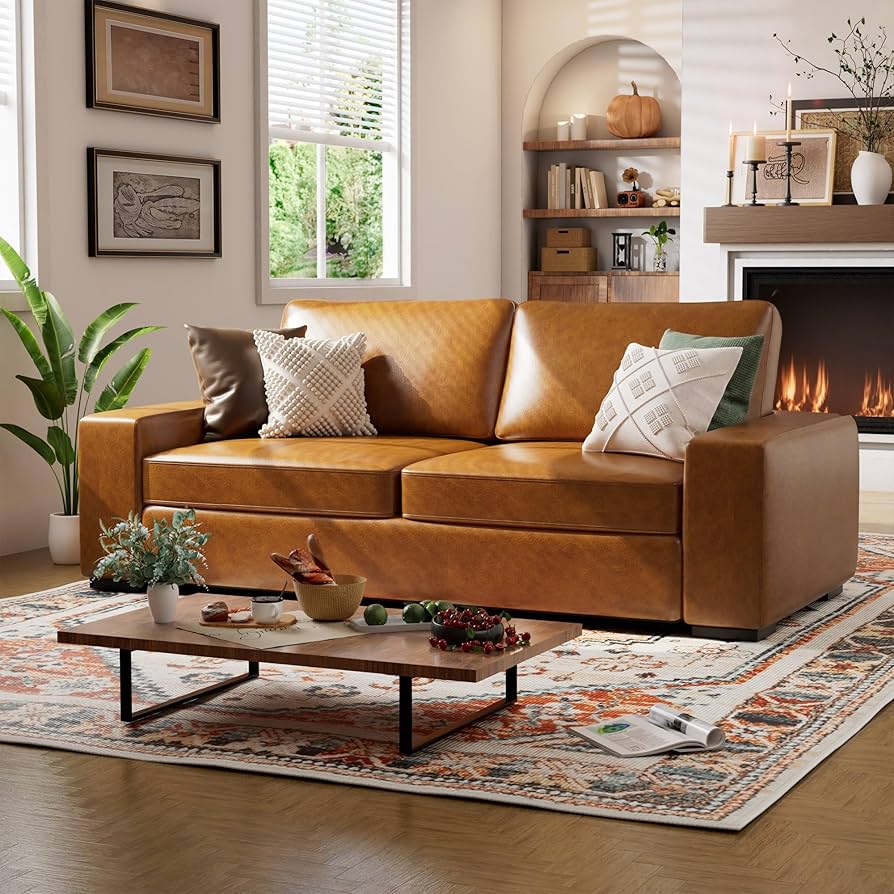
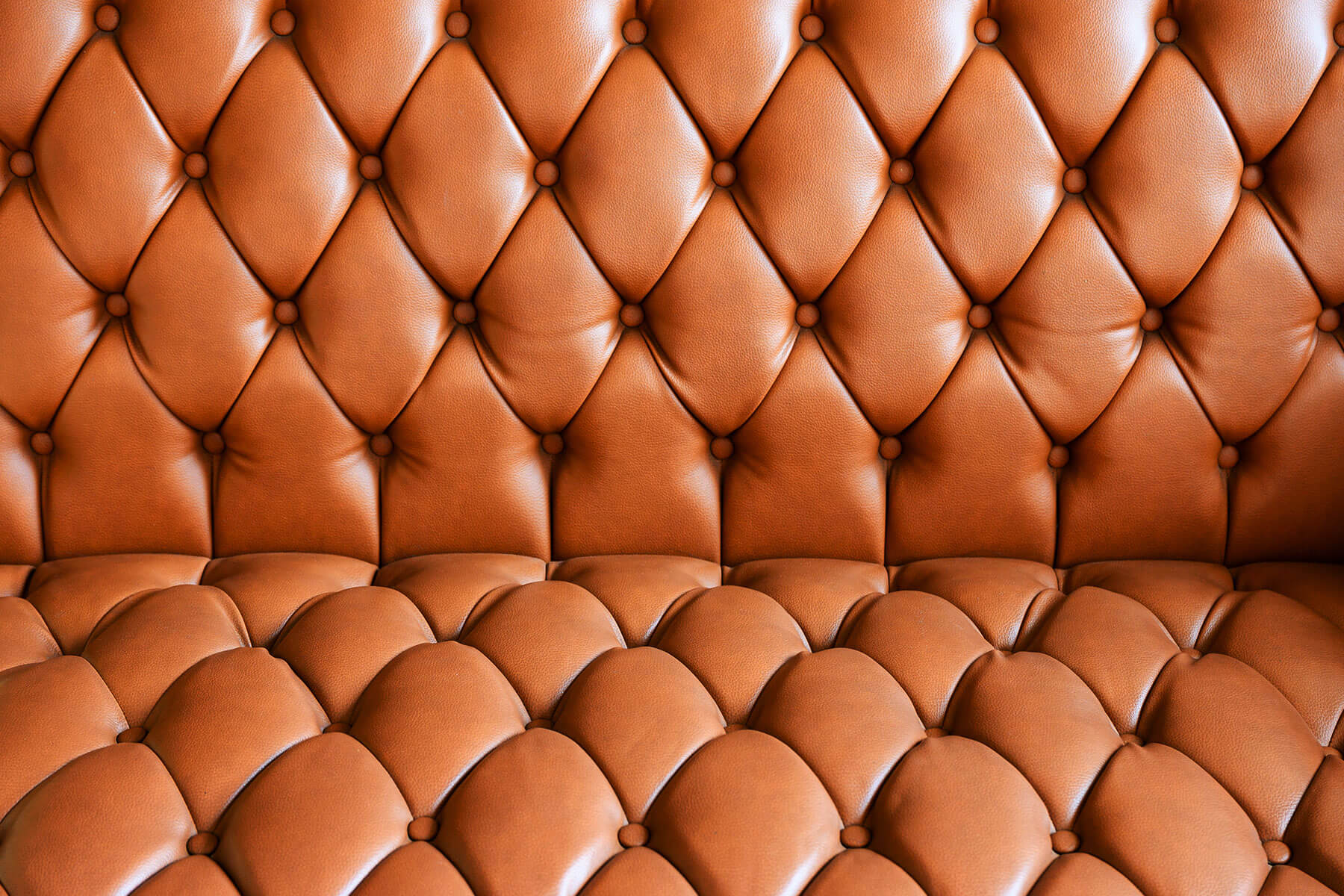
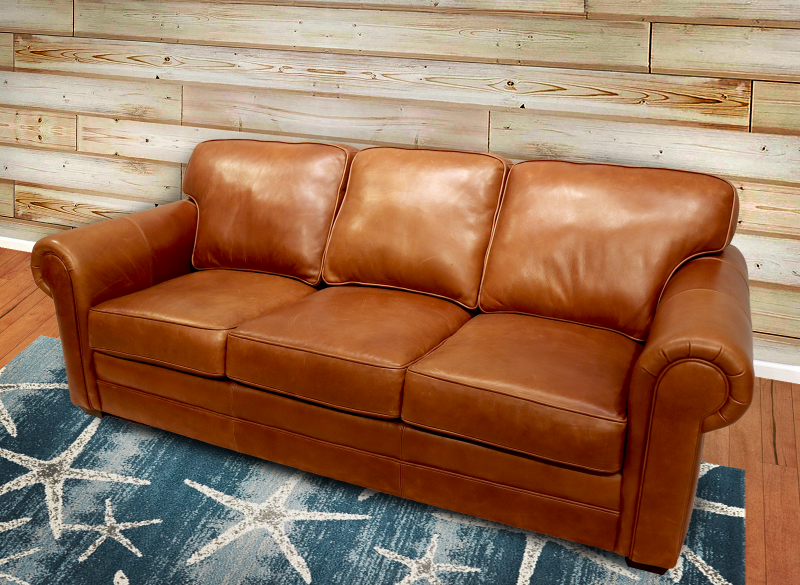
A leather sofa is covered with animal hide or a man-made leather surface. This outer layer is called leather upholstery, and it gives the sofa its smooth and clean look. Not all leather sofas are the same, and the type of leather makes a big difference in quality, comfort, and lifespan.
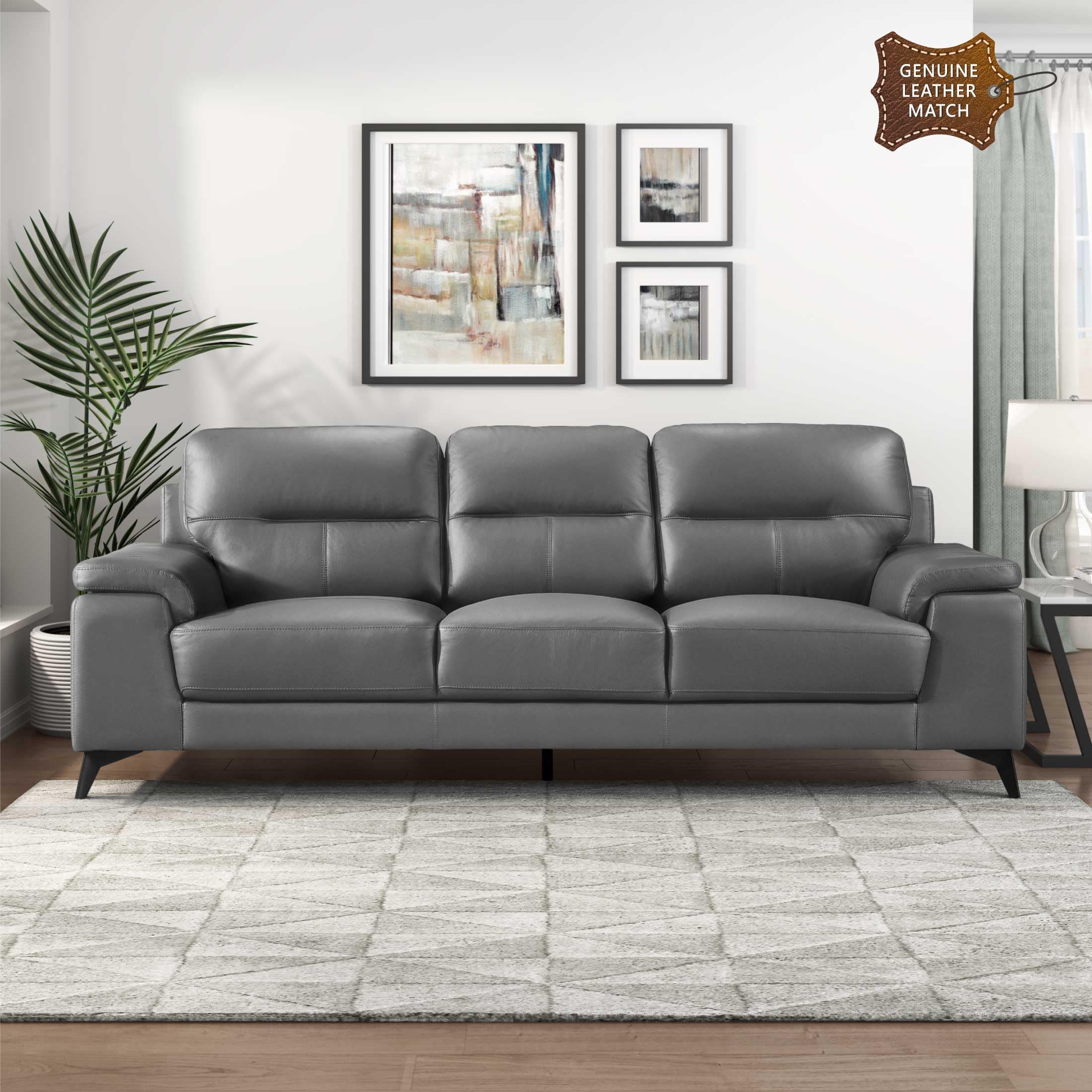
Genuine leather sofas use real animal skin. They feel natural, strong, and slightly firm at first. Over time, real leather becomes softer and more comfortable. Faux leather sofas are made from synthetic materials. They look like leather and cost less, but they do not last as long and may crack or peel after years of use.
Real leather also comes in grades. Full-grain leather sofas are the highest quality and last the longest. Top-grain leather sofas are slightly processed for a smoother finish but still very durable. Bonded leather sofas are made from leftover leather pieces and are more affordable, but they wear out faster.
Leather upholstery is finished by cleaning, coloring, and sealing the surface. This finish protects the sofa from spills and gives leather its signature smooth texture and polished look.
What Is a Fabric Sofa Made Of?
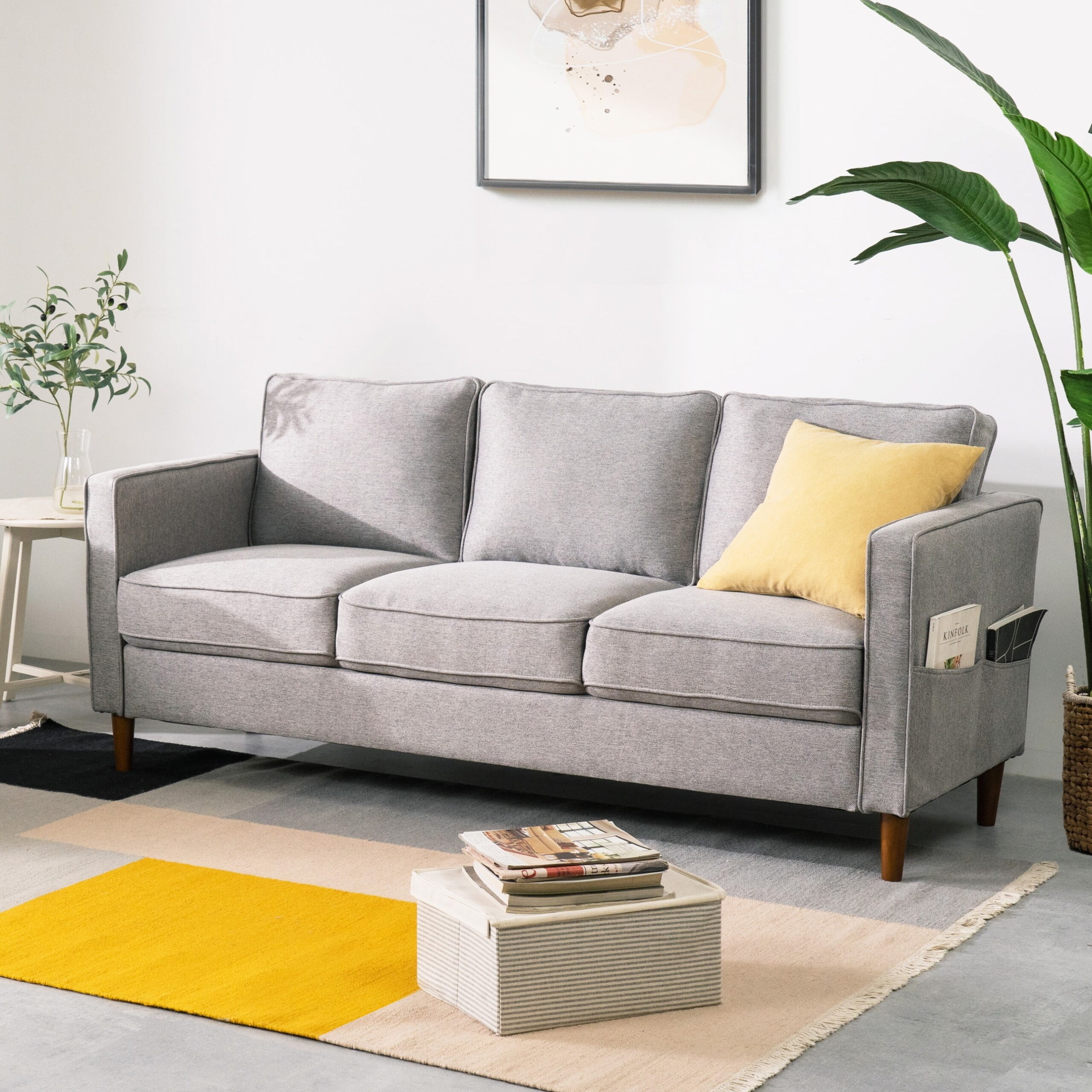
A fabric sofa is covered with woven cloth instead of leather. This cloth covering is known as fabric sofa upholstery. Fabric sofas are popular because they feel soft, warm, and welcoming from the very first day. They also offer more variety in colors, patterns, and textures than leather sofas.
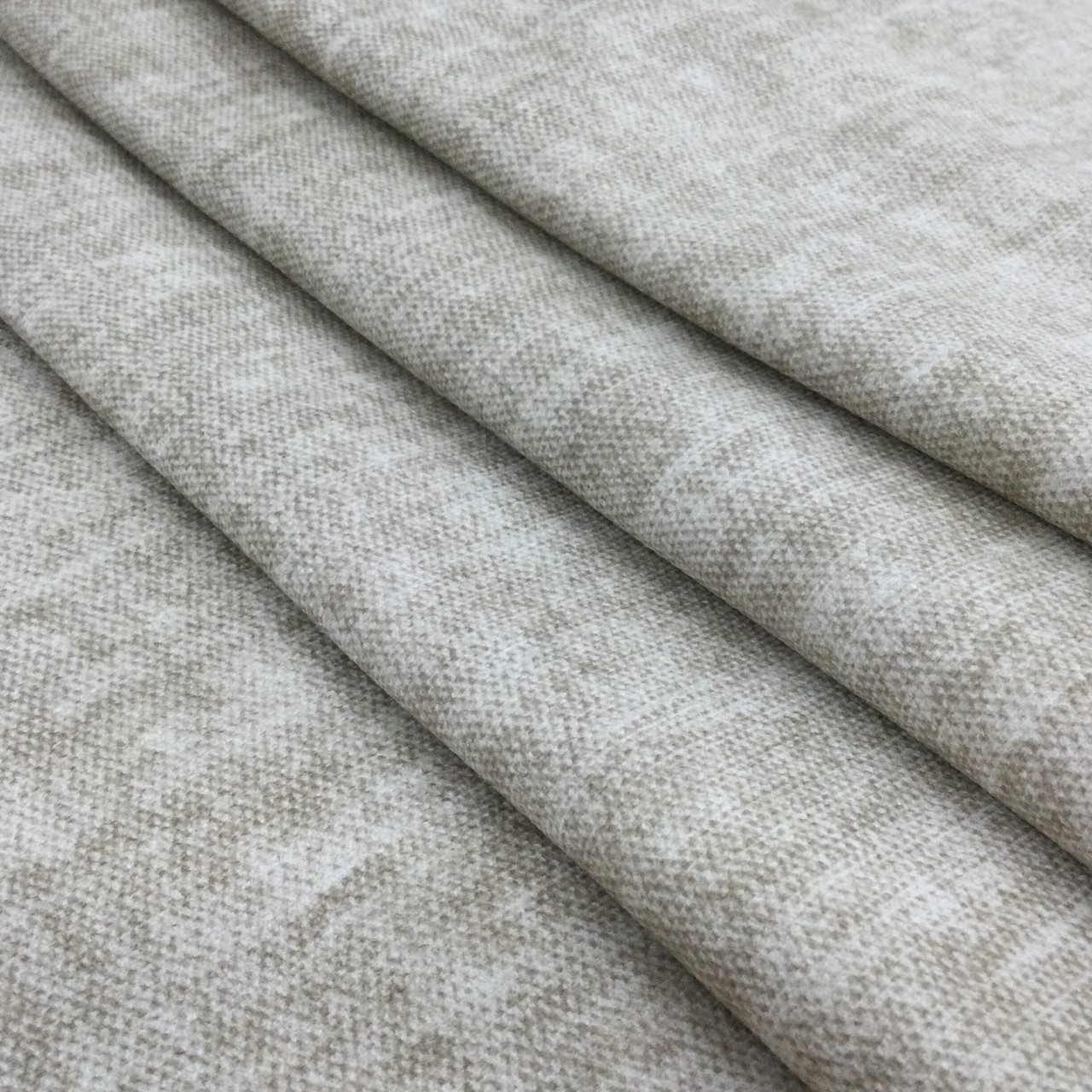
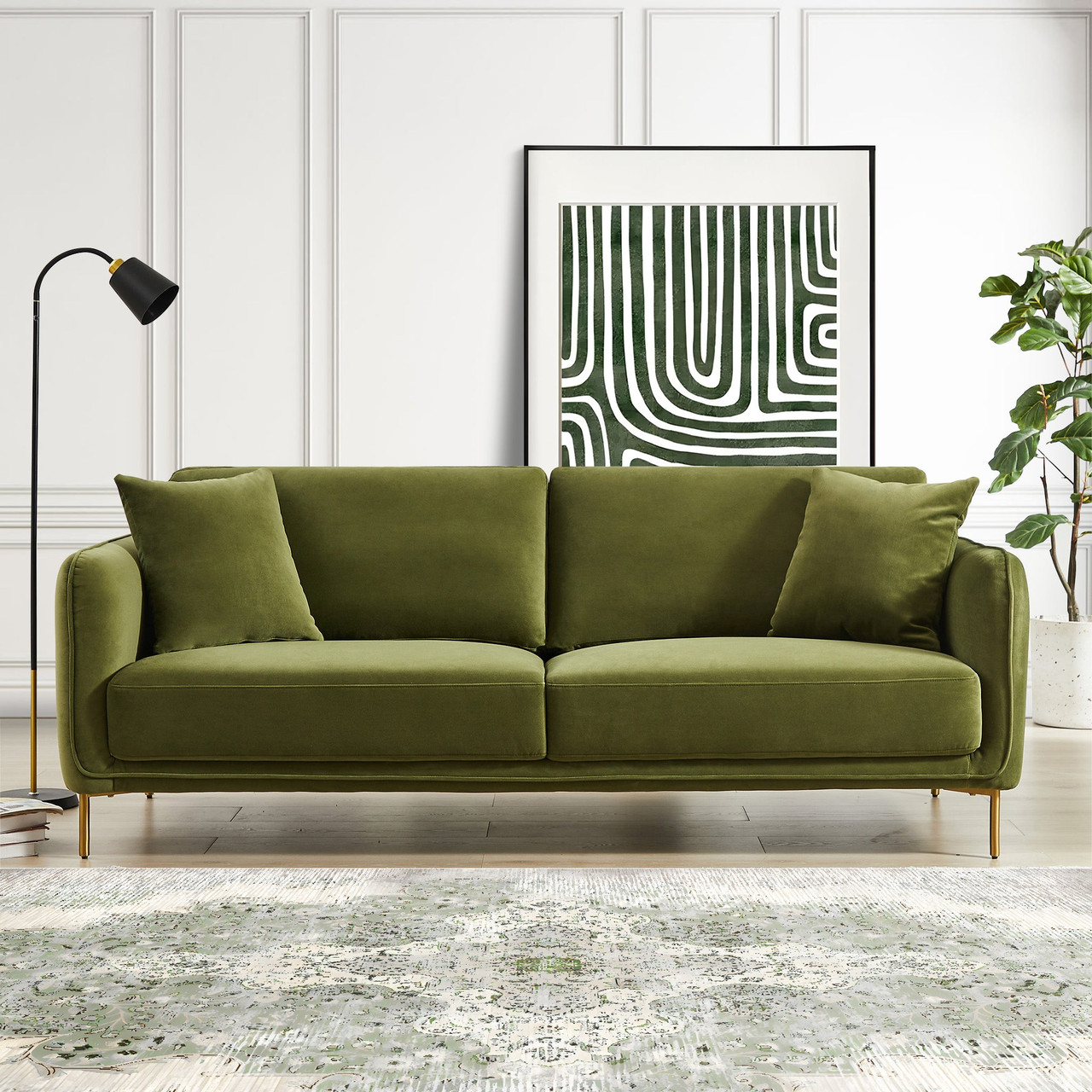
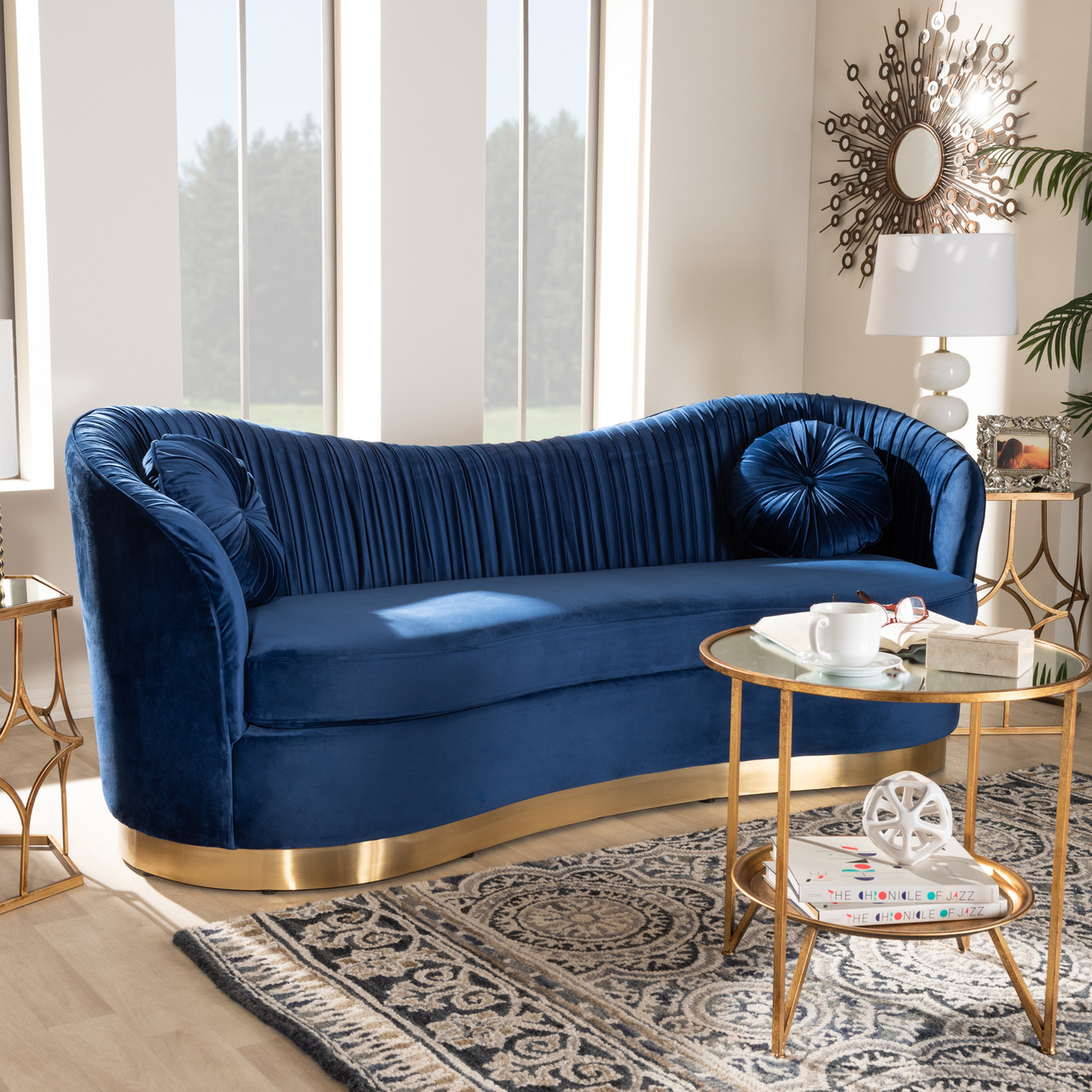
Fabric sofas can be made from many materials. Cotton fabric sofas feel soft and breathable but can stain easily. Linen fabric sofas are light and airy, making them great for warm homes, though they wrinkle more. Polyester fabric sofas are strong, affordable, and resist fading. Microfiber sofas are a favorite for families because they resist stains and work well in homes with pets. Velvet fabric sofas feel plush and luxurious but need gentle care.
The way fabric is woven also matters. Tight weaves last longer, while textured weaves hide stains and wear better. Fabric allows air to flow, which makes the sofa more breathable and comfortable for long sitting hours. This is why many people choose fabric sofas for daily use and family rooms.
Simple takeaway:
Leather sofas focus on strength, smoothness, and long life. Fabric sofas focus on softness, comfort, and variety. Understanding these materials makes it much easier to choose the right sofa for your home.
Leather Sofas vs Fabric Sofas – Key Differences at a Glance
When you compare leather sofas vs fabric sofas, the differences become very clear when you see them side by side. Both sofa types serve the same purpose, but they feel, look, and behave very differently in daily life. A quick comparison helps you understand which material fits your home better without confusion.
Below is a simple table that shows the main differences at a glance.
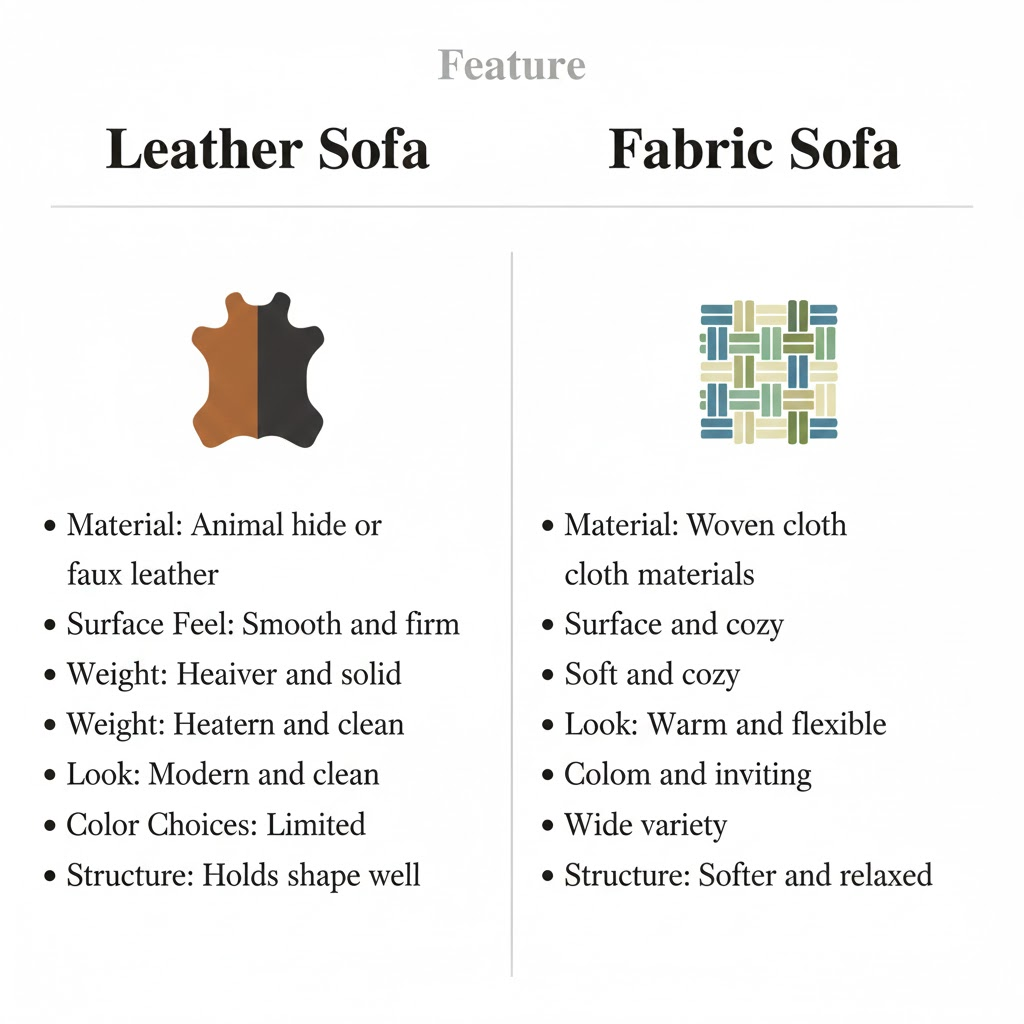
Leather vs Fabric Sofa Comparison Table
| Feature | Leather Sofa | Fabric Sofa |
|---|---|---|
| Material | Animal hide or faux leather | Woven cloth materials |
| Surface Feel | Smooth and firm | Soft and cozy |
| Weight | Heavier and solid | Lighter and flexible |
| Look | Modern and clean | Warm and inviting |
| Color Choices | Limited | Wide variety |
| Structure | Holds shape well | Softer and relaxed |
This table gives a quick overview, but let’s explain these differences in more detail below.
Material and Construction Comparison
The biggest difference between leather and fabric sofas starts with how they are built. A leather sofa uses thick leather upholstery stretched tightly over a strong frame. This creates a smooth surface with a firm and structured feel. Leather sofas usually feel solid and heavy because leather itself is dense and strong. This weight helps the sofa hold its shape for many years without sagging.
A fabric sofa, on the other hand, uses woven cloth materials like cotton, polyester, or microfiber. These fabrics feel softer to the touch and have a warmer surface texture. Fabric sofas often weigh less than leather sofas, which makes them easier to move or rearrange in a room. The structure feels more relaxed, which many people find comfortable for everyday use.
When it comes to visual appearance, leather sofas give a clean, modern, and polished look. They often suit luxury homes or formal living rooms. Fabric sofas create a cozy and friendly feel. They blend well in family rooms and casual spaces. Fabric also offers more colors, patterns, and textures, while leather usually comes in neutral shades.
In short, leather focuses on strength and structure, while fabric focuses on softness and comfort.
Comfort Comparison – Leather vs Fabric Sofas
Comfort is one of the most important factors when choosing a sofa. You may love how a sofa looks, but if it does not feel good to sit on, you will regret the choice. When people compare leather sofas vs fabric sofas, comfort is often the deciding point. Let’s look at how each material feels and performs in real daily life.
Seating Comfort and Feel
The first thing you notice when you sit down is the surface feel. Leather sofas usually feel firmer than fabric sofas. The leather upholstery stays tight over the cushions, which gives a structured and supportive seating feel. Some people like this firmness because it supports the back well and keeps good posture. However, leather may feel stiff at first and soften slowly over time.

Fabric sofas feel softer right away. The cushions and fabric work together to create a cozy and relaxed seating experience. Fabric also allows air to pass through, which improves the breathability of fabric sofas. This makes fabric more comfortable in warm homes or for long sitting sessions.
Temperature also matters. Leather sofa temperature changes with the weather. Leather feels cool in summer, which many people enjoy. In winter, it can feel cold when you first sit down. Fabric stays closer to room temperature, so it feels warm and welcoming all year.
Comfort for Long Sitting Hours
For homes where the sofa gets used every day, long-term comfort becomes very important. In family homes, people sit on the sofa for meals, homework, phone time, and casual chats. Fabric sofas work very well for daily family use because they feel soft and gentle even after hours of sitting. They reduce pressure on the body and help you relax.

For lounging and TV watching, fabric sofas again feel more comfortable. You can curl up, stretch out, or lie down without feeling stiff. The soft fabric sofa feel supports relaxed body positions better than firm leather seating.
Guest comfort is another factor. Guests often stay seated for long conversations. Fabric sofas make guests feel at ease and comfortable. Leather sofas still offer comfort, but some guests may find them slippery or firm. Overall, fabric sofas usually win for long sitting hours, while leather sofas work better for short, structured seating.
Durability and Lifespan Comparison
When buying a sofa, many people think about how long it will last. A sofa is a big purchase, so durability matters just as much as comfort and style. When you compare leather sofas vs fabric sofas, lifespan is one of the biggest differences. Both materials can last many years, but they age in very different ways.
How Long Do Leather Sofas Last?
A well-made leather sofa can last 15 to 20 years or more when cared for properly. Leather is a strong and natural material, so it handles daily use very well. Normal wear and tear like sitting, standing, and light movement usually does not damage real leather. In fact, high-quality leather often looks better as it ages, developing a rich and lived-in appearance.
However, leather does have risks. Over time, leather can dry out if it does not get proper care. This dryness may lead to cracking and peeling, especially with bonded or low-quality leather. Scratches can also appear, particularly in homes with pets or sharp objects.
Proper care makes a big difference. Regular wiping, keeping the sofa away from direct sunlight, and using a leather conditioner help maintain softness and strength. With simple maintenance, leather sofa durability remains very high, making it a strong long-term furniture investment.
How Long Do Fabric Sofas Last?
Fabric sofas usually last 7 to 12 years, depending on fabric quality and daily use. Sofas used in busy family rooms may wear out faster than those in guest rooms. One common issue with fabric sofas is fabric fading, especially when placed near windows. Sunlight can slowly fade colors over time.
Another concern is sagging cushions. Fabric sofas often feel soft and comfortable, but the cushions may lose shape after years of use. Lower-quality foam tends to flatten faster, which reduces seating comfort.
Fabric also faces wear in areas like armrests and seat edges. Stitching and abrasion resistance play a big role here. Tight weaves and strong stitching last longer, while loose weaves wear out more quickly. Regular cleaning and cushion rotation can extend the life of a fabric sofa, but overall, fabric sofas do not last as long as leather ones.
Maintenance and Cleaning Requirements
Cleaning and care play a big role in how your sofa looks and feels over time. Some sofas need very little effort, while others need regular attention. When people compare leather sofas vs fabric sofas, maintenance often becomes a deciding factor. Let’s look at how much work each option really needs in daily life.
Leather Sofa Maintenance and Cleaning
Leather sofas are known for easy care and simple cleaning. A basic cleaning routine keeps a leather sofa looking fresh for years. Most of the time, you only need to wipe the surface with a soft, dry cloth to remove dust. For deeper cleaning, a slightly damp cloth works well. You should avoid harsh cleaners because they can damage the leather finish.
Conditioning leather is an important step that many people forget. Leather can dry out over time, especially in homes with air conditioning or heaters. Using a leather conditioner once or twice a year helps keep the leather soft and prevents cracks. This simple step greatly improves leather sofa durability.
Leather also offers strong spill and stain resistance. Liquids usually sit on the surface instead of soaking in, which gives you time to wipe them away. This makes leather a great choice for homes with kids or frequent spills. As long as you clean spills quickly, stains are rarely a problem.
Fabric Sofa Maintenance and Cleaning
Fabric sofas need more regular care, but many people still find them manageable. Vacuuming and spot cleaning are part of normal fabric sofa maintenance. Vacuuming once a week helps remove dust, crumbs, and pet hair trapped in the fabric. Spot cleaning is important when spills happen, and acting fast helps prevent permanent stains.
One of the biggest challenges with fabric sofas is stain removal. Liquids soak into fabric quickly, which makes stains harder to remove. Some fabrics resist stains better than others, but most still need careful cleaning. Strong cleaners can damage fabric color and texture, so gentle methods work best.
Some fabric sofas come with machine-washable covers, which makes cleaning much easier. You can remove the covers, wash them, and put them back on. This feature is very helpful for families with kids or pets. While fabric sofas need more effort than leather, regular care helps them stay comfortable and clean for many years.
Leather vs Fabric Sofas for Homes with Pets and Kids
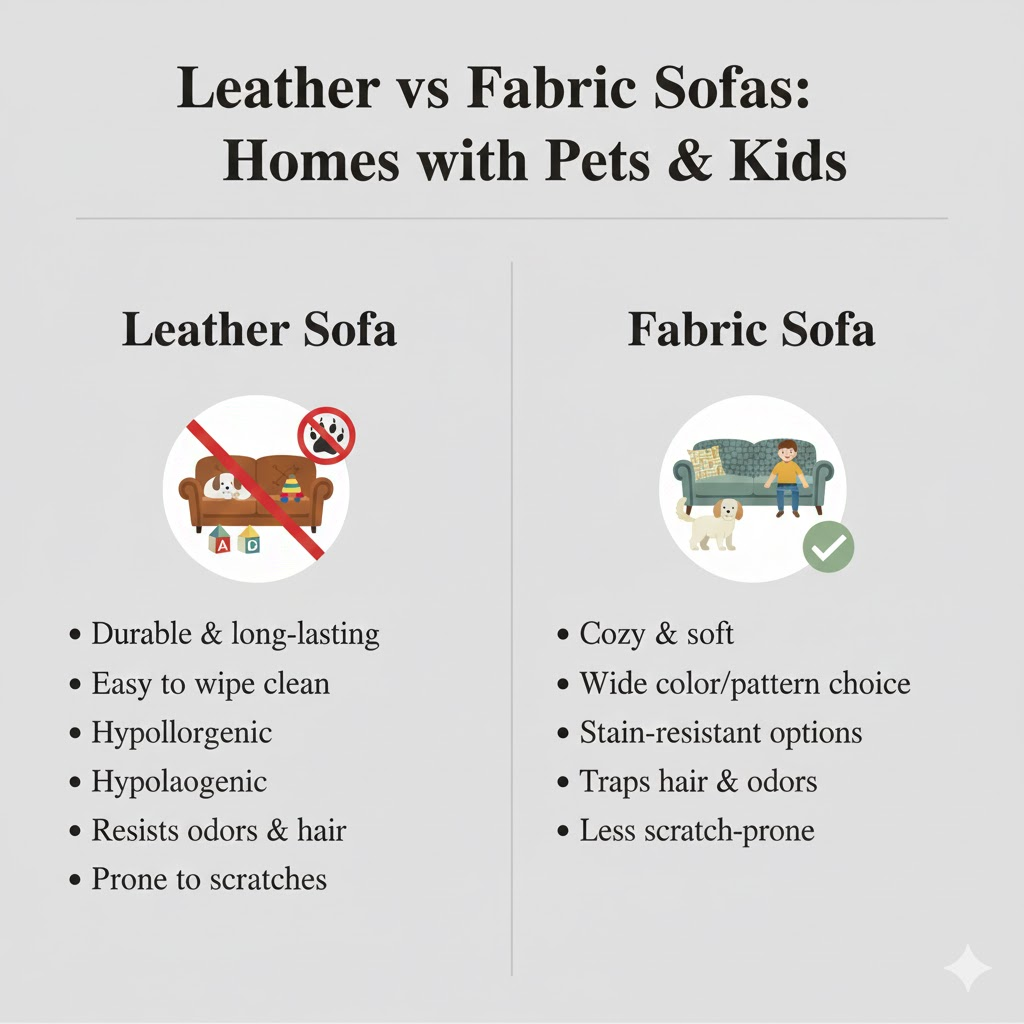
When you have pets or kids at home, your sofa faces daily challenges. From muddy paws and shedding fur to juice spills and rough play, not every sofa material handles these situations well. Comparing leather sofas vs fabric sofas for family homes helps you avoid future frustration. Below, we break this down clearly with explanations and simple tables.
Pet Hair, Scratches, and Odors
Pets affect sofas in three main ways: hair, claws, and smells. Each material reacts differently.
Leather scratch resistance depends on the quality of leather. Real leather is tough, but pet claws can leave visible scratch marks. These scratches usually stay on the surface, but they show clearly and cannot be hidden easily. Faux or bonded leather may peel when scratched.
Fabric pet hair accumulation is more common. Fabric fibers trap pet hair, which makes cleaning harder. Some fabrics like microfiber resist hair better, but most fabric sofas need frequent vacuuming.
For smells, odor absorption comparison strongly favors leather. Leather does not absorb odors easily. Pet smells stay on the surface and wipe away. Fabric absorbs odors over time, especially in warm or humid homes, which makes smell removal more difficult.
Pet Impact Comparison Table
| Pet-Related Factor | Leather Sofa | Fabric Sofa |
|---|---|---|
| Pet Hair | Does not stick, easy to wipe | Traps hair in fabric |
| Scratches | Visible scratch marks | Scratches blend in |
| Odor Absorption | Low | High |
| Cleaning Effort | Easy | Moderate to high |
Kid-Friendly Sofa Considerations
Kids use sofas in many ways beyond sitting. They eat snacks, play games, climb, and sometimes jump. This makes spills and stains a major concern. Leather handles spills very well because liquids stay on the surface. Fabric absorbs spills quickly, which can lead to stains if cleaning is delayed.
In busy households, durability in high-traffic areas matters a lot. Leather sofas hold their shape well and resist sagging. Fabric sofas may show wear faster on armrests, seat edges, and cushions, especially with daily use.
Safety and comfort also matter for kids. Fabric sofas feel soft, warm, and less slippery, which makes them more comfortable and safer for children. Leather sofas feel firmer and can be slippery, especially when kids climb or move around.
Kid-Friendly Sofa Comparison Table
| Kid-Related Factor | Leather Sofa | Fabric Sofa |
|---|---|---|
| Spill Resistance | Excellent | Low |
| Stain Risk | Low | High |
| High-Traffic Durability | Very strong | Moderate |
| Comfort for Kids | Firm | Soft and cozy |
| Slip Resistance | Low | High |
Quick Family-Friendly Summary
- Choose leather if easy cleaning, spill control, and odor resistance matter most
- Choose fabric if softness, warmth, and kid comfort are top priorities
- Homes with pets often prefer microfiber fabric or durable leather
- Homes with young kids often balance leather for cleaning or fabric with washable covers
This comparison helps families choose a sofa that fits real life, not just looks good in a showroom.
Style, Design, and Aesthetic Appeal
A sofa does more than provide seating. It shapes how your living room looks and feels. When comparing leather sofas vs fabric sofas, style and design play a big role. Each material creates a very different mood in a space, so choosing the right one helps your room feel complete and inviting.
Leather Sofas in Modern and Luxury Interiors
Leather sofas are known for their sleek and premium look. The smooth surface and clean lines give leather a polished appearance that feels elegant and refined. Many people choose leather when they want their living room to look neat, organized, and stylish. Leather reflects light slightly, which adds to its upscale feel and makes rooms look more spacious.
Leather works best in modern, minimalist, and luxury interiors. It pairs well with glass tables, metal accents, and neutral color schemes. Homes with a formal living room or a space meant for entertaining guests often benefit from leather’s structured look. Leather sofas also suit offices, high-end apartments, and homes that prefer a calm, clutter-free design. If you want a sofa that looks timeless and sophisticated, leather fits beautifully into modern and upscale spaces.
Fabric Sofas for Color and Texture Variety
Fabric sofas shine when it comes to color and texture variety. Fabric offers endless choices, from soft pastels to bold shades and playful patterns. This makes it easy to match a fabric sofa with your walls, curtains, rugs, or cushions. If you like changing décor styles often, fabric gives you more flexibility.
Fabric also allows for pattern flexibility, such as stripes, florals, or textured weaves. These details add personality and warmth to a room. Fabric sofas feel relaxed and welcoming, which makes them perfect for cozy and casual interiors. Family rooms, apartments, and everyday living spaces often look better with fabric seating. The soft look of fabric makes a room feel lived-in and friendly, rather than formal. If comfort, warmth, and personal style matter most, fabric sofas offer more design freedom.
Climate and Lifestyle Suitability
The climate you live in and the way you use your sofa every day should guide your choice. Some sofa materials feel great in certain weather conditions but uncomfortable in others. When comparing leather sofas vs fabric sofas, climate and lifestyle comfort become very important. Let’s see how each material performs in different environments.
See also Balanced Beige vs Accessible Beige
Leather Sofas in Hot vs Cold Climates
Leather reacts strongly to temperature changes. In warm or hot climates, leather stays naturally cool. It does not trap heat, so sitting on a leather sofa during summer often feels refreshing. This makes leather a good choice for homes in hot regions or houses without heavy fabric décor.
However, heat retention is low with leather, which becomes a drawback in cold weather. During winter, leather can feel cold when you first sit down. It takes time to warm up to body temperature, which may feel uncomfortable without blankets or cushions.
In cold-weather comfort, leather works better in homes with good heating. Adding throws or pillows helps balance the cool surface. People who like firm seating may still enjoy leather year-round, but those who prefer warmth often find it less cozy in winter.
Fabric Sofas in Different Environments
Fabric sofas adapt better to changing climates. One major advantage is breathability in warm climates. Fabric allows air to pass through, which helps reduce sweating and discomfort during hot weather. Natural fabrics like cotton and linen feel especially light and airy.
In colder regions, fabric performs even better. Fabric holds warmth and feels soft and inviting when temperatures drop. Sitting on a fabric sofa in winter feels comfortable right away without the need for extra layers.
For homes in mixed or changing climates, fabric sofas offer consistent comfort all year. They suit family lifestyles where comfort matters more than temperature control. Overall, fabric works well in both warm and cold environments, making it a flexible choice for everyday living.
Cost Comparison – Leather Sofas vs Fabric Sofas
Price plays a major role when choosing a sofa. At first glance, leather sofas often look expensive, while fabric sofas seem more affordable. But the real cost goes beyond the price tag. To understand the true value, it helps to compare leather sofas vs fabric sofas over time, not just on day one.
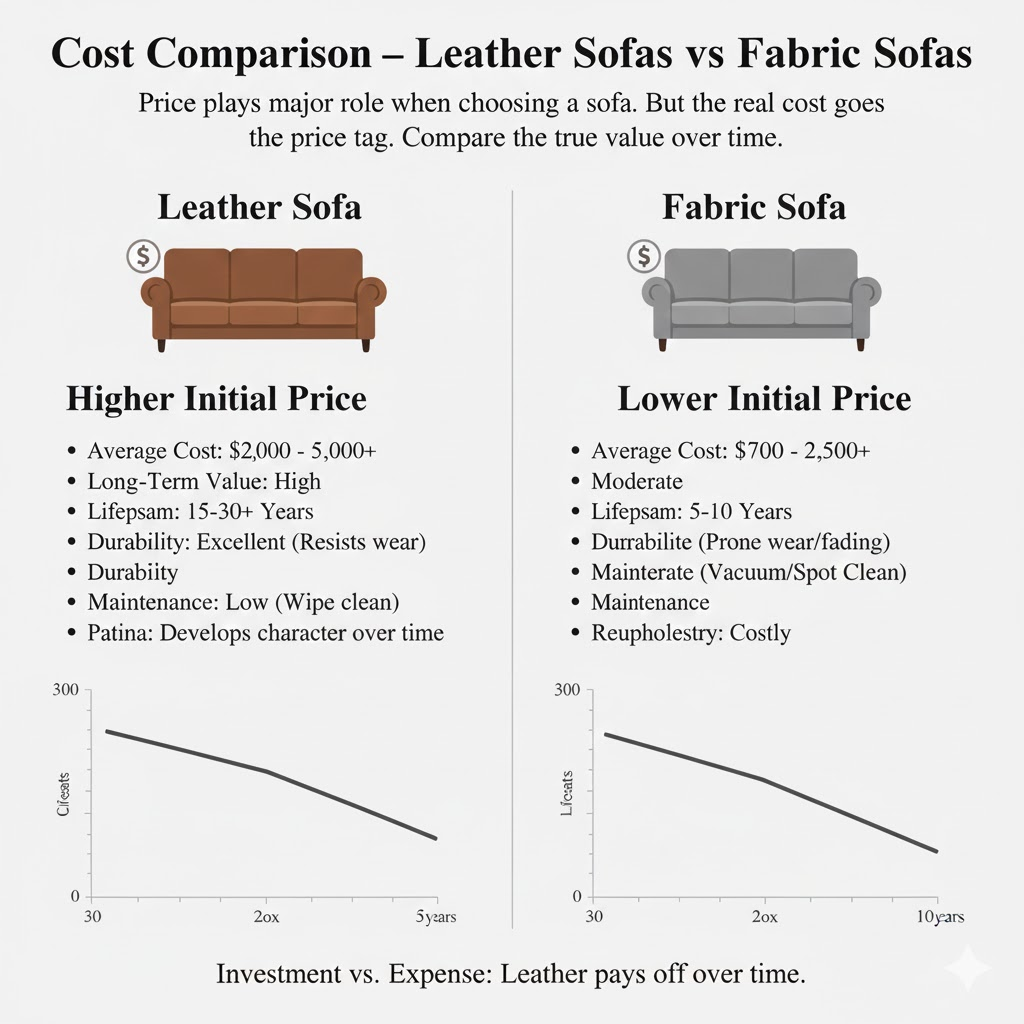
Leather vs Fabric Sofa Cost Comparison Table
| Cost Factor | Leather Sofa | Fabric Sofa |
|---|---|---|
| Initial Price | High | Low to medium |
| Budget Options | Limited | Widely available |
| Maintenance Cost | Low | Medium |
| Replacement Frequency | Rare | More frequent |
| Cost Per Year | Lower over time | Higher over time |
| Long-Term Value | High | Moderate |
This table gives a quick overview. Let’s explain each part in detail.
Initial Purchase Price
The initial purchase price is where most people notice the biggest difference. Budget fabric sofas are easy to find and fit many price ranges. Fabric sofas cost less because fabric materials are cheaper to produce and easier to replace. This makes fabric a popular choice for first-time buyers, renters, and families on a tight budget.
Premium leather sofas, on the other hand, come with a higher price tag. Real leather costs more, and the manufacturing process takes longer. High-quality leather sofas often fall into the luxury category. While the upfront cost feels high, buyers usually pay for strength, long life, and a polished look. Faux or bonded leather sofas cost less, but they do not offer the same long-term quality.
Long-Term Value and Cost Per Year
Looking at long-term value and cost per year changes the comparison. Leather sofas need minimal maintenance. Simple cleaning and occasional conditioning keep them in good shape. Because they last longer, replacement happens less often.
Fabric sofas usually need more frequent cleaning. Over time, fabric may fade, stain, or sag, which leads to earlier replacement. Even though fabric sofas cost less upfront, replacing them every few years raises the total cost.
When you divide the total cost by the number of years used, leather often has a lower cost per year. This makes leather a better long-term investment. Fabric still offers good value for shorter-term use, but leather usually wins when thinking about years of ownership and overall value.
See also Best Chalkboard Paint
Which Sofa Is Better for Different Living Spaces?
Every room in a home serves a different purpose, and the sofa should match how the space is used. When comparing leather sofas vs fabric sofas, the right choice often depends on the size of the room, how often the sofa is used, and the look you want to create. Let’s break this down by room type.
Best Sofa for Small Living Rooms and Apartments
In small living rooms and apartments, the sofa should make the space feel open and comfortable, not crowded. Space feel matters a lot here. Fabric sofas usually work better because they look softer and lighter. Lighter colors and textured fabric help a room feel cozy without feeling heavy.
Leather sofas often appear larger and more solid. Dark leather, in particular, can make a small space feel tighter. Fabric also gives more flexibility in shape and design, which helps fit awkward layouts.
When comparing light vs heavy materials, fabric sofas are easier to move and rearrange. This is helpful in apartments where furniture placement may change often. For small spaces, fabric sofas usually create a more relaxed and spacious feeling.
Best Sofa for Family Rooms and Daily Use
Family rooms are high-use areas. People sit, lie down, eat snacks, and spend long hours here. For comfort and durability, both materials can work, but they shine in different ways. Fabric sofas feel soft and cozy, which makes them ideal for everyday lounging and TV watching.
Leather sofas handle wear well and keep their shape for years. This makes them strong for daily use, especially in busy homes. However, maintenance practicality matters too. Leather is easier to wipe clean after spills, while fabric may need frequent vacuuming and spot cleaning.
Many families choose fabric for comfort or leather for easy cleaning. The best choice depends on which benefit matters more in your home.
Best Sofa for Formal Living Rooms
Formal living rooms focus more on appearance than daily comfort. Here, visual impact becomes the top priority. Leather sofas shine in formal spaces because they look elegant, neat, and timeless. Their smooth surface and structured shape give the room a polished look.
For long-term appearance, leather performs very well. It resists sagging and keeps its form for many years. Fabric sofas can work in formal rooms, but they may show wear sooner and lose their crisp look over time. For spaces meant to impress guests and stay stylish, leather sofas usually make the stronger statement.
Leather vs Fabric Sofas – Pros and Cons Summary
After comparing comfort, durability, cost, maintenance, and lifestyle use, it helps to see everything in one place. A clear pros and cons summary makes the decision easier, especially if you are still unsure which sofa material fits your home best.
Leather vs Fabric Sofa Pros and Cons Table
| Sofa Type | Pros | Cons |
|---|---|---|
| Leather Sofa | Easy to clean, long-lasting, modern look, spill resistant | Expensive, can feel cold, scratches show |
| Fabric Sofa | Soft, cozy, affordable, many colors and textures | Stains easily, needs more cleaning, shorter lifespan |
Now let’s look at each option in more detail.
Pros and Cons of Leather Sofas
Leather sofas offer many strong advantages, especially for people who value durability and a clean look. One of the biggest benefits is easy maintenance. Spills stay on the surface and wipe away quickly, which makes leather a smart choice for busy homes. Leather also lasts a long time. With proper care, a good leather sofa can serve a family for many years without losing shape. Its smooth surface gives a modern and premium appearance, which works well in formal or luxury interiors. Leather does not trap dust, pet hair, or odors easily, which helps keep the sofa fresh.
However, leather also has clear disadvantages. The price is higher than most fabric sofas, which may not suit every budget. Leather can feel cold in winter and firm for people who prefer soft seating. Scratches from pets or sharp objects show clearly and cannot be hidden easily. Color choices are also limited, which reduces design flexibility.
Pros and Cons of Fabric Sofas
Fabric sofas are popular because of their comfort and variety. One of the main benefits is softness. Fabric feels warm and cozy, making it ideal for long sitting hours and family rooms. Fabric sofas come in many colors, patterns, and textures, which makes decorating easier and more fun. They are also more affordable, so fabric suits first-time buyers, renters, and growing families. Some fabrics, like microfiber, work well in homes with kids and pets.
The drawbacks of fabric sofas mostly relate to maintenance and lifespan. Fabric absorbs spills quickly, which increases the risk of stains. Regular vacuuming and cleaning are needed to keep the sofa looking good. Over time, fabric may fade, wear out, or sag, especially in high-use areas. Fabric also traps pet hair and odors more easily than leather, which means extra cleaning effort.
Simple Final Thought
Leather sofas offer strength, easy cleaning, and long-term value.
Fabric sofas offer comfort, warmth, and design flexibility.
The better choice depends on your lifestyle, budget, and how you use your living space every day.
How to Choose Between Leather and Fabric Sofas
If you are close to buying a sofa, this section matters the most. Choosing between leather sofas vs fabric sofas is not about trends or what looks good in a store. It is about how the sofa will fit into your real life. Your budget, daily habits, and cleaning comfort all play a big role. Asking the right questions now helps you avoid regret later.
Questions to Ask Before Buying a Sofa
Before you decide, pause and ask yourself a few honest questions.
Budget
Start with how much you want to spend. Fabric sofas usually cost less upfront, which makes them attractive if you are working with a tight budget. Leather sofas cost more at the beginning, especially high-quality ones. However, leather often lasts longer, which can save money over time. Decide whether you prefer a lower price now or better long-term value.
Usage
Think about how often you will use the sofa. Will it be used every day for hours, or only sometimes for guests? For heavy daily use, comfort becomes very important. Fabric sofas feel softer and more relaxed for long sitting hours. Leather sofas work well if you want firm support and a sofa that keeps its shape even with frequent use.
Maintenance Expectations
Be honest about cleaning habits. If you want easy cleaning with quick wipes, leather suits you better. If you are okay with regular vacuuming and spot cleaning, fabric can work well. Your willingness to maintain the sofa should match the material you choose.
Lifestyle-Based Buying Guide
Your lifestyle often gives the clearest answer.
Singles
Singles often prefer flexibility and style. Fabric sofas work well because they are affordable, comfortable, and easy to match with changing décor. If you want a clean, modern look and do not mind firm seating, leather can also be a great option.
Families
Families need sofas that handle daily use, spills, and long sitting hours. Fabric sofas offer softness and comfort for everyone, especially kids. Leather sofas work well for families who want easy cleaning and strong durability. Families often choose based on whether comfort or cleaning ease matters more.
Pet Owners
Pet owners should think carefully. Leather does not trap pet hair and odors, but scratches show easily. Fabric hides scratches better but collects hair and smells. Many pet owners choose tightly woven fabric or microfiber for balance. If easy cleaning matters most, leather may still be the better choice.
Final Buying Tip
The best sofa is the one that fits your daily life, not just your living room. Match the material to how you live, clean, relax, and spend time at home. When comfort, budget, and lifestyle align, you will know you made the right choice.
Frequently Asked Questions (FAQs)
Below are clear and simple answers to the most common questions people ask when comparing leather sofas vs fabric sofas. These answers focus on real-life use, not showroom impressions.
Is a leather sofa better than a fabric sofa?
A leather sofa is not always better—it is just better for certain needs. Leather sofas work well for people who want easy cleaning, a modern look, and long-term durability. Fabric sofas work better for people who want softness, warmth, and a cozy feel. The better choice depends on your lifestyle, not on the material alone.
Which sofa lasts longer, leather or fabric?
Leather sofas usually last longer than fabric sofas. A good leather sofa can last 15 to 20 years with proper care. Fabric sofas often last 7 to 12 years, depending on fabric quality and use. Leather holds its shape better, while fabric may fade or sag over time.
Are leather sofas hard to maintain?
No, leather sofas are actually easy to maintain. Regular dusting and wiping with a damp cloth keep them clean. Conditioning the leather once or twice a year helps prevent cracks. Leather does not absorb spills easily, which makes everyday care simple.
Do fabric sofas stain easily?
Yes, fabric sofas can stain easily because liquids soak into the fabric quickly. Fast cleaning helps reduce stains. Some fabrics resist stains better, and washable covers make cleaning easier. Still, fabric needs more attention than leather.
Which sofa is more comfortable for daily use?
Fabric sofas are usually more comfortable for daily use. They feel soft, warm, and breathable, which makes long sitting hours easier. Leather sofas feel firmer and more structured, which some people prefer for posture and support.
Is a fabric sofa cheaper than a leather sofa?
Yes, fabric sofas are generally cheaper than leather sofas. Fabric offers more budget-friendly options and lower upfront costs. Leather costs more at the beginning but may save money over time because it lasts longer.
Final Verdict – Leather Sofas vs Fabric Sofas
After comparing comfort, durability, maintenance, cost, and lifestyle fit, the choice becomes much clearer. There is no single winner. The right sofa depends on how you live and what you value most.
Who Should Choose a Leather Sofa?
A leather sofa is ideal for people who:
- Want a clean, modern, and premium look
- Prefer easy cleaning and spill resistance
- Value long-term durability and shape retention
- Do not mind firm seating
- Want a sofa for formal or high-traffic spaces
Leather suits busy homes where maintenance time is limited and appearance matters.
Who Should Choose a Fabric Sofa?
A fabric sofa is ideal for people who:
- Want soft and cozy seating
- Spend long hours relaxing or watching TV
- Prefer more color and style options
- Have a smaller budget
- Want warmth and comfort year-round
Fabric works best in family rooms, apartments, and casual living spaces.
Our Recommendation Based on Comfort, Cost, and Lifestyle
If comfort and warmth matter most, fabric is the better choice.
If easy cleaning and long-term value matter more, leather makes sense.
The best decision comes from balancing comfort, budget, and daily habits. Think about who uses the sofa, how often it gets used, and how much time you want to spend cleaning it. When you choose based on real needs, you will enjoy your sofa for many years to come.
