
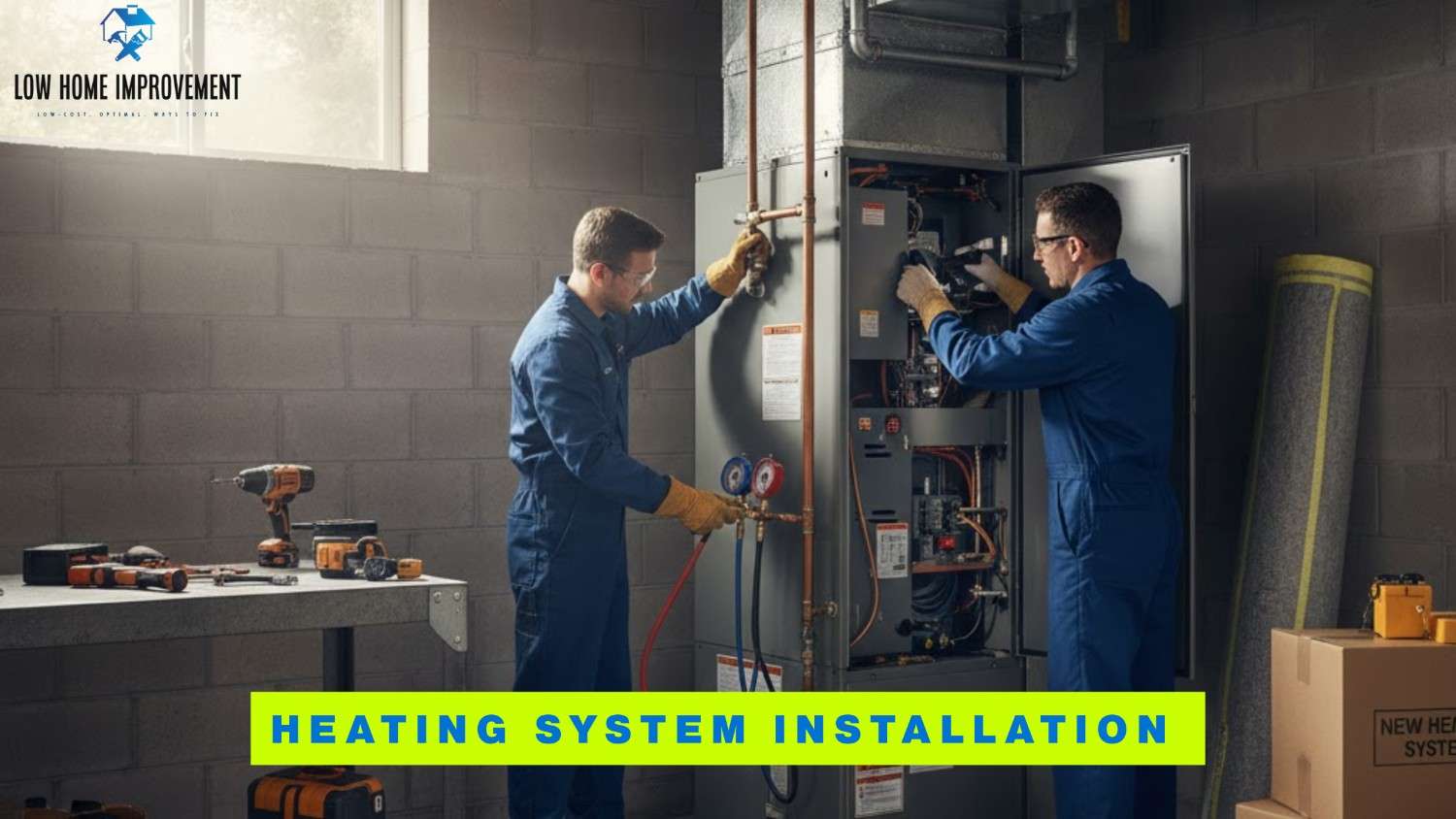
When it comes to ensuring a warm and comfortable indoor environment, heating system installation is essential for both homes and businesses. A properly installed heating system can make a significant difference in the comfort, energy efficiency, and long-term savings of your property. Whether you’re installing a new system or upgrading an existing one, it’s important to understand the options available and the benefits of a professional heating system install.
There are several types of heating systems to choose from, including furnaces, heat pumps, and boilers. Each system type offers unique advantages depending on your climate and heating needs. The heating system installation process involves more than just placing a unit in your space; it requires professional assessment and precise installation to ensure optimal performance and efficiency.
When considering a new installation, the costs will depend on factors such as the system type, the size of the property, and any additional components required. However, investing in a high-efficiency system can lead to long-term energy efficiency and lower utility bills. In some cases, replacement vs repair decisions may arise, where upgrading to a more efficient system might be more cost-effective than repairing an older unit.
Benefits of Heating System Installation:
- Comfort: Maintain a consistently warm environment.
- Energy Efficiency: New systems are more energy-efficient, saving on heating costs.
- Long-Term Savings: A properly installed system reduces the need for frequent repairs and ensures reliability.
Choosing the right heating system and professional installation can drastically improve your space’s comfort and energy efficiency. Whether you’re installing a new system or upgrading your current one, proper installation is key to achieving maximum performance.
What Is Heating System Installation?
Heating system installation refers to the process of setting up a new heating system or upgrading an existing one in your home or business. Whether you’re opting for a brand-new install heating system or replacing an outdated unit, professional installation ensures your system functions at its best. A heating system installation typically involves assessing your space, selecting the appropriate system type (such as a furnace, heat pump, or boiler), and properly installing it for maximum efficiency and comfort.
When considering a new system, it’s important to understand the difference between a new install and an upgrade. A new install heating system is necessary when you’re building a new property or replacing a non-functional system. In contrast, an upgrade usually involves replacing an older system with a newer, more efficient model. Upgrades can offer significant improvements in energy efficiency, reducing your monthly heating bills and enhancing overall comfort.
When You Need a New Heating System Install
Knowing when to schedule a heating system install is key to ensuring your home or business remains warm and comfortable. Here are some signs it might be time for a new heating system installation:
- System Age: If your system is 15-20 years old, it might be time for a replacement.
- Uneven Heating: If certain rooms are consistently colder than others, your system may not be distributing heat effectively.
- High Energy Bills: Rising heating costs despite no change in usage could indicate that your system is no longer efficient and may need replacing.
If you notice these issues, heating system replacement could be a more cost-effective solution compared to frequent repairs. A new system not only improves efficiency but also provides long-term savings.
Heating System Installation vs Repair
When deciding between heating system installation and repair, it’s important to weigh the cost and benefits of each option. Repairs can be more affordable in the short term, but they may not address underlying issues that could lead to future breakdowns. On the other hand, a new heating system install or heating system replacement might involve a higher upfront cost but can provide long-term savings by improving efficiency and reducing repair needs.
| Repair Heating System | Heating System Replacement |
|---|---|
| Lower upfront cost | Higher upfront cost |
| May only address symptoms, not root cause | Solves long-term issues and improves efficiency |
| Frequent repairs may be required | Reduces maintenance costs over time |
| Ideal for systems with minor issues | Best for older systems with major issues |
Ultimately, the decision to repair or replace your heating system depends on the age of your system, the extent of the damage, and how much you’re willing to invest in long-term comfort and efficiency.
Types of Heating Systems You Can Install
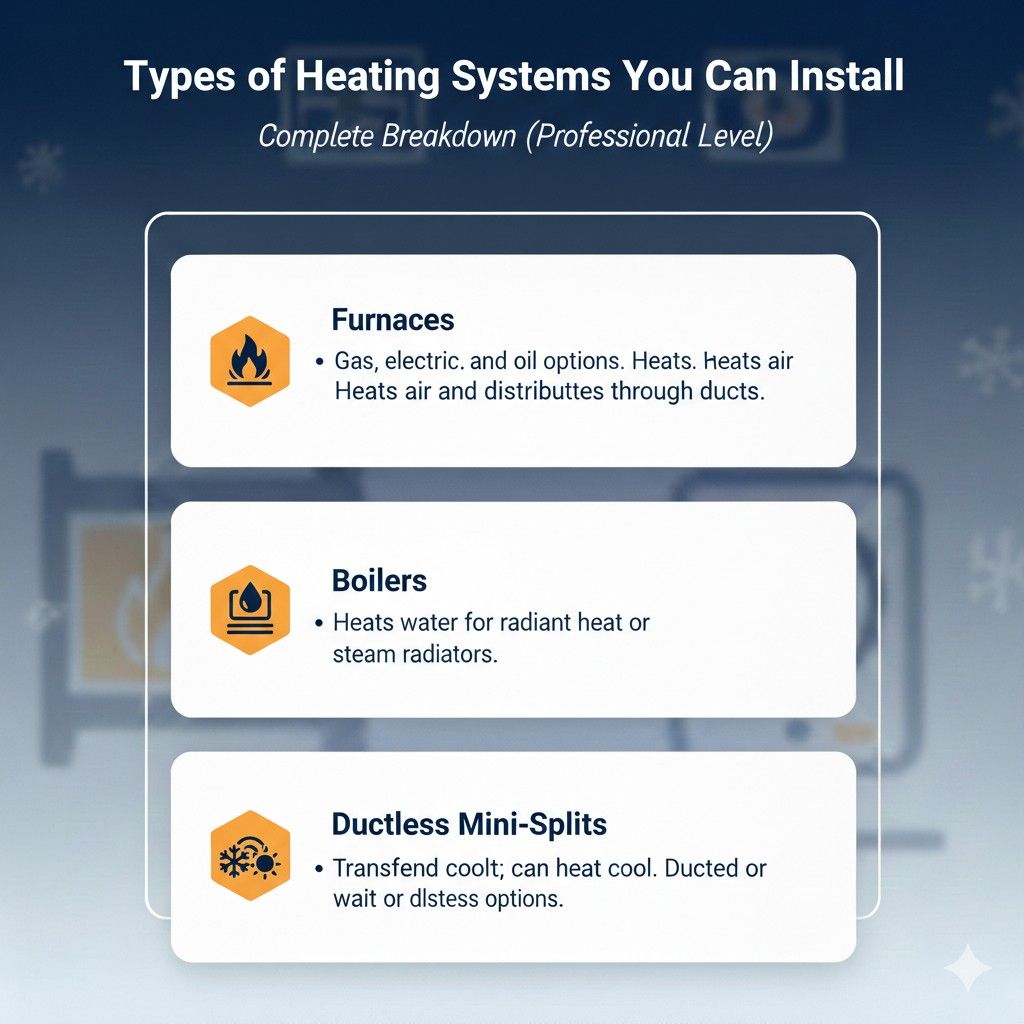
When it comes to heating your home or business, there are various types of heating systems available. The right system for your needs will depend on several factors, including the size of your space, your budget, energy efficiency preferences, and climate conditions. Here’s a breakdown of some of the most popular types of heating systems you can install.
Forced Air Heating System
A forced air heating system is one of the most common heating systems used in homes and businesses. This system works by heating air in a furnace and then distributing it through ducts and vents to various rooms. It can be used alongside an air conditioning unit, making it a versatile forced air heating and cooling system.
What is a forced air heating system? Simply put, it’s a system that uses a blower to force heated air through ducts into different areas of the property. It typically uses natural gas, propane, or electricity as the fuel source.
Pros:
- Quick heating: Air heats up quickly, providing immediate warmth.
- Dual function: Can be paired with an air conditioning unit to provide both heating and cooling.
- Affordable installation: Generally less expensive to install compared to other systems.
Cons:
- Noise: The system can be noisy, especially if ducts or vents are not properly maintained.
- Dust and allergens: Airborne particles can be circulated throughout the home, affecting indoor air quality.
- Uneven heating: Some rooms may not heat evenly, requiring adjustments to the system.
Hydronic Heating System
A hydronic heating system uses water or another liquid to transport heat throughout the home. This system can be powered by a variety of heat sources, such as a boiler or solar panels. The heated water is circulated through pipes and can be used in radiators or radiant floor systems.
Hydronic systems are known for their energy efficiency and comfort, providing consistent and gentle warmth. They are often used in colder climates where consistent heat is a necessity.
| Radiators | Radiant Floors |
|---|---|
| Can provide instant heat to a specific room | Offers even heating throughout the floor |
| Easy to install and relocate | Requires floor installation but distributes heat more evenly |
| May be less efficient in larger spaces | Highly energy-efficient, especially with radiant floor systems |
Pros:
- Energy efficiency: Hydronic systems are highly energy-efficient, as water retains heat longer than air.
- Comfort: Provides consistent and even warmth.
- Quiet operation: This system operates quietly without the noise associated with forced air systems.
Cons:
- Installation complexity: Installation can be costly and time-consuming, especially for radiant floor systems.
- Slower heating: It may take longer to heat a space compared to forced air systems.
Boiler Heating Systems
A boiler heating system uses water to heat the home. There are two main types of boiler heating systems: steam heating systems and hot water boiler heating systems. Both systems circulate hot water or steam to radiators or baseboard heaters to warm the space.
- Steam Heating System: Involves boiling water to create steam, which travels through pipes to radiators.
- Hot Water Boiler Heating System: Uses hot water to provide heat through radiators or baseboards, offering better efficiency than steam systems.
Pros:
- Energy efficiency: Especially in hot water systems, as water holds heat longer than air.
- Consistent heat: Provides steady, even warmth.
Cons:
- Maintenance: Regular boiler heating system repair is needed to ensure optimal operation.
- Higher installation costs: Installation can be expensive due to the complexity of the system.
Radiator Heating System
A radiator heating system uses steam or hot water to provide warmth through metal radiators. These systems are still popular in many older buildings, providing a classic and efficient way to heat a home.
Benefits:
- Even heating: Radiators distribute heat evenly throughout the space.
- Quiet operation: Unlike forced air systems, radiators don’t produce loud noise.
- Durability: Radiators can last for many years if properly maintained.
Baseboard Heating System
The baseboard heating system uses electric or hot water to provide warmth through baseboard units located along the walls. This system is commonly used in smaller spaces or as supplementary heating in larger homes.
Pros:
- Simple installation: Easy to install and requires minimal space.
- Cost-effective: Affordable to install and operate in small areas.
Cons:
- Uneven heating: May not provide as even heat distribution as other systems.
- Not ideal for large homes: Better suited for small or medium-sized spaces.
Ductless Heating and Cooling System
A ductless heating and cooling system (also known as a mini-split system) provides both heating and cooling without the need for ducts. This system uses an outdoor unit connected to one or more indoor air handlers. Ductless systems are ideal for homes or businesses that don’t have ductwork or for space extensions like rooms or additions.
Pros:
- Easy installation: No ductwork is required, making it ideal for renovations or additions.
- Zoned control: Allows for different temperature settings in different rooms, offering improved energy efficiency.
- Quiet operation: Operates more quietly than traditional heating systems.
Cons:
- Higher upfront cost: Installation can be more expensive than other systems.
- Limited coverage: Best for smaller homes or individual rooms.
Propane & Oil Heating Systems
Both propane heating systems and oil heating systems are used in areas where natural gas may not be available. These systems can provide consistent heat, especially in colder climates.
- Propane Heating System: Propane is stored in a tank on-site and is used to fuel a furnace or boiler system.
- Oil Heating System: Oil is burned in a furnace to heat the home. Oil systems are often used in rural or remote areas.
Pros:
- Reliable: Propane and oil systems are reliable and efficient in cold climates.
- High heat output: Both systems are capable of generating high heat quickly.
Cons:
- Fuel delivery: Requires regular delivery and storage of propane or oil.
- Environmental impact: Propane and oil systems have a larger environmental footprint compared to natural gas systems.
Dual Fuel Heating System
A dual fuel heating system combines two different types of heating systems, typically a gas furnace and a heat pump, to optimize energy efficiency. This system allows you to use the most efficient option depending on the weather conditions.
Benefits:
- Efficiency: Automatically switches between the heat pump and gas furnace based on the temperature, ensuring maximum energy efficiency.
- Cost savings: Reduces heating costs by utilizing the most efficient heating method available.
Conclusion
There are many types of heating systems to choose from, each with its own benefits and limitations. Whether you opt for a forced air heating system, hydronic heating system, ductless heating and cooling system, or any of the other options, it’s essential to select a system that best fits your needs and climate. By understanding the different types, you can make an informed decision and install a system that provides comfort, efficiency, and long-term savings.
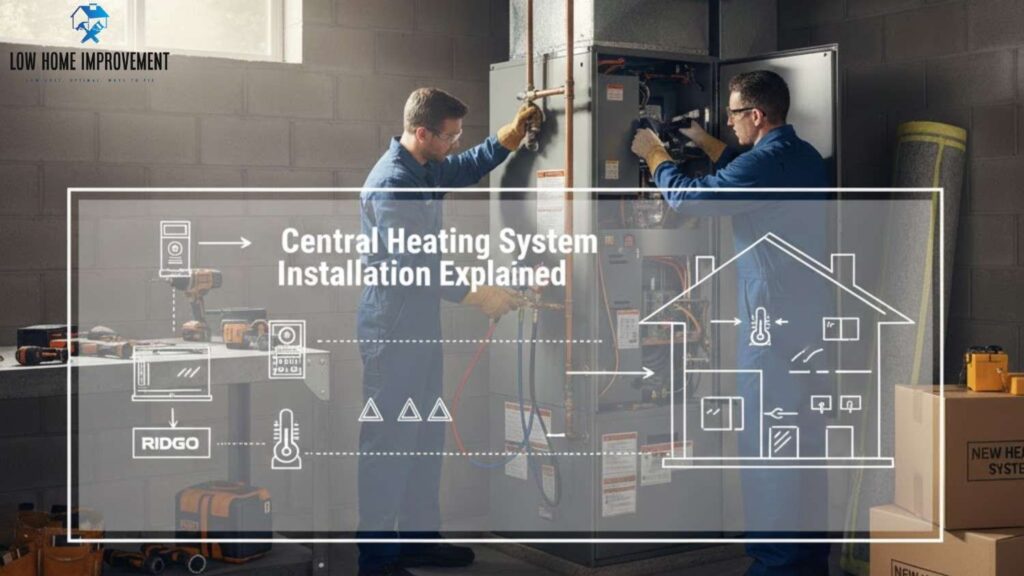
Central Heating System Installation Explained
What Is a Central Heating System?
A central heating system is a heating solution designed to heat your entire home or building by distributing warm air, water, or steam from a central unit throughout various rooms. Typically powered by gas, oil, electricity, or renewable energy, this system includes a boiler or furnace, a heat exchanger, pipes, radiators, or ductwork to transport the heat. Central heating system installation is ideal for providing consistent warmth across multiple rooms, ensuring comfort during colder months.
In a traditional central heating system, a furnace or boiler heats air or water, which is then circulated through ducts or pipes to radiators or vents in each room. In the case of radiant systems, hot water or steam circulates through pipes embedded in floors or walls to deliver heat. The key to an effective system is the efficient distribution of heat, ensuring every room in the house receives warmth as needed.
Diagram Suggestion: You could include a simple flow diagram showing how a boiler heats water, which then moves through pipes to radiators or underfloor heating systems in different rooms. This will help visually explain how heat is distributed throughout a space.
Central Heating System Installation Process
The central heating system installation process involves several steps to ensure the system is installed efficiently and safely. Here’s a step-by-step guide to what you can expect during the installation:
- Initial Assessment: A technician will assess your home or building to determine the best type of central heating system for your needs. This includes evaluating the size of the property, the number of rooms to be heated, and the energy source available.
- Selecting the Right System: Based on the assessment, the technician will help you choose between a forced air heating system, hydronic system, or another option, depending on your home’s requirements.
- Installation of Key Components:
- Installing the furnace or boiler that will heat air or water.
- Setting up ductwork or piping to distribute heated air or water throughout your home.
- Placing radiators, baseboard heaters, or ventilation ducts in strategic locations.
- Connecting to Energy Source: The system will be connected to your energy source, whether gas, oil, electricity, or renewable energy, ensuring that the system has the necessary power to operate efficiently.
- Testing and Calibration: Once installed, the technician will test the system for functionality, ensuring proper airflow, heating levels, and temperature regulation. Any adjustments will be made to optimize the system’s performance.
- System Handover: After the installation is complete, you’ll be briefed on how the system works, how to operate the thermostat, and any maintenance tasks that should be performed.
Best Homes for Central Heating Installation
Certain types of homes are particularly well-suited for central heating system installation. Consider the following:
- Large Homes: Homes with multiple rooms or large floor areas benefit from central heating system installation as it ensures consistent warmth throughout the space.
- Older Homes: Older homes often have poor insulation and drafty spaces, so a central heating system is an effective solution for even temperature distribution.
- Multi-story Homes: If you have a multi-story home, a central heating system helps evenly distribute heat across all floors.
- Properties with No Existing Ductwork: Homes that lack existing ducts for air conditioning or forced air heating systems can benefit from central heating installation with hydronic or radiant heating.
Central heating is an excellent choice for those seeking efficient, consistent warmth throughout a property, offering long-term energy savings and comfort.
Most Efficient Heating Systems for Homes
Choosing the most efficient heating system for your home can significantly impact both your comfort and energy bills. Efficiency is a crucial factor when selecting a heating system, as it determines how well the system converts energy into heat and how much energy is wasted. Below, we will explore the most efficient heating systems for different climates and provide a deeper understanding of heating efficiency ratings, cost, and effectiveness.
Most Efficient Heating System by Climate
The most efficient heating system for your home will depend largely on the climate in which you live. Each system performs differently based on how much heating is needed and the energy sources available. Here’s a breakdown of what works best for various climates:
- Mild Climates (Southern States): A heat pump is often the most efficient heating system in warmer climates. Heat pumps use electricity to transfer heat from the outside air into the home and can also cool in the summer, making them versatile.
- Cold Climates (Northern States): For regions with long, harsh winters, a high-efficiency furnace or a boiler heating system might be the best choice. These systems can efficiently heat homes even during extreme cold temperatures. A hot water boiler or steam heating system is ideal for distributing consistent heat through radiators or underfloor heating.
- Best Heating System for House in Northeast: In the Northeast, where winters can be extremely cold, a high-efficiency gas furnace or hydronic heating system provides both high performance and cost savings. These systems work efficiently even when temperatures dip below freezing.
Bullet List of Most Efficient Heating Systems by Climate:
- Mild Climates: Heat Pump
- Cold Climates: High-Efficiency Gas Furnace, Boiler Heating System
- Best Heating System for House in Northeast: High-Efficiency Gas Furnace, Hydronic Heating System
Understanding Heating Efficiency Ratings
Heating efficiency is typically measured by the Annual Fuel Utilization Efficiency (AFUE) rating, which indicates the percentage of energy from fuel that is converted into usable heat. The higher the AFUE rating, the more efficient the system is at heating your home.
For example, a furnace with an AFUE of 95% will convert 95% of the energy it uses into heat, while the remaining 5% is lost. When choosing a heating system, consider both the initial installation cost and the long-term operating costs, which will depend on the system’s efficiency.
| AFUE Rating | Efficiency |
|---|---|
| 80-85% | Standard Efficiency |
| 90-95% | High Efficiency |
| 96-98% | Very High Efficiency |
Cost vs Efficiency Comparison
When considering a new heating system for your home, it’s important to weigh the system’s cost against its efficiency. While more efficient systems may have a higher upfront cost, they can save you money in the long run by reducing energy consumption.
| System | Efficiency | Cost | Best Use |
|---|---|---|---|
| Gas Furnace | 90-98% | $3,000-$7,000 | Cold climates, large homes |
| Heat Pump | 300-400% | $2,500-$5,000 | Mild climates, smaller homes |
| Boiler Heating System | 85-95% | $4,000-$8,000 | Cold climates, homes with radiators or underfloor heating |
| Electric Baseboard | 80-85% | $500-$1,500 | Small spaces, supplementary heating |
| Oil Furnace | 80-85% | $3,000-$6,000 | Cold climates, rural areas |
In summary, selecting the most efficient heating system depends on your specific climate and needs. While the initial cost of installation varies, choosing a more efficient system can offer significant savings in the long run by reducing energy consumption. Whether you’re upgrading your existing heating system or installing a new one, consider both the upfront investment and long-term energy savings for the best results.
Heating System Installation Process (Step-by-Step)

| Step | Description | Key Consideration |
|---|---|---|
| 1. Initial Assessment and Consultation | Technician assesses home size, insulation, and heating needs to determine the best system. | Ensures the right system for comfort and efficiency. |
| 2. Choosing the Right Heating System | Based on the assessment, select the appropriate system (furnace, boiler, heat pump, etc.). | Match system type to your needs and budget. |
| 3. System Installation | Install the system components, including furnace, boiler, or heat pump, and associated ducts or pipes. | Ensure correct placement and secure connections. |
| 4. System Integration and Connections | Connect system to power source and integrate with thermostat. Ensure proper ductwork/plumbing. | Proper connections are critical for safety and efficiency. |
| 5. Testing and Calibration | Run the system through a heating cycle, check airflow, and adjust settings for optimal performance. | Verify system is operating efficiently and safely. |
Installing a new heating system in your home or business is a significant investment that requires careful planning, proper equipment, and professional expertise. The process typically involves multiple steps to ensure that your system operates efficiently and safely. Here’s a step-by-step breakdown of what to expect during the heating system installation.
1. Initial Assessment and Consultation
The first step in the heating system installation process is to assess your home’s heating needs. A professional technician will visit your property to inspect the space and evaluate factors such as size, insulation, and energy source options. This step is essential to determine the best heating system for your specific needs, whether it’s a furnace, boiler, heat pump, or another system.
Safety Tip: Ensure the technician checks for gas leaks or other hazards before proceeding.
2. Choosing the Right Heating System
Once the assessment is complete, the technician will guide you in selecting the appropriate heating system based on your needs, budget, and home size. The options could include a high-efficiency furnace, boiler heating system, or a ductless heating system. The technician will explain the pros and cons of each type and help you make an informed decision.
Safety Tip: Always choose an energy-efficient system that complies with local building codes to ensure safety and comfort.
3. System Installation
After selecting your heating system, the installation process begins. This step involves placing the system components, such as the furnace, boiler, or heat pump, in their designated locations. The technician will also install necessary ducts, pipes, or electrical wiring, ensuring all connections are secure and correctly installed for maximum efficiency.
Safety Tip: Proper ventilation and exhaust connections are critical to prevent dangerous gas buildup.
4. System Integration and Connections
At this point, the technician will connect the heating system to the power source, whether it’s electricity, gas, or oil. The system will also be integrated with the home’s thermostat to allow for easy temperature regulation. Depending on the type of system, the technician will ensure that all necessary plumbing or ductwork is securely connected to distribute heat properly throughout the home.
Safety Tip: Ensure that all connections are properly sealed to avoid gas leaks or electrical issues.
5. Testing and Calibration
Once the heating system installation is complete, the technician will test the system to ensure it operates correctly. This includes running the system through a full heating cycle, checking the airflow, verifying the thermostat settings, and ensuring that everything is working as it should. If necessary, adjustments will be made to optimize performance.
Safety Tip: The technician will perform a safety check for any carbon monoxide emissions, especially with gas-powered systems, and ensure that all safety mechanisms are functioning.
Conclusion
Proper heating system installation is critical to ensuring the system operates efficiently and safely. From initial assessments to final system testing, each step is designed to maximize comfort and energy savings. Always hire a licensed professional for the installation to ensure the work complies with safety standards and manufacturer recommendations. With careful planning and proper installation, you can enjoy a warm and comfortable environment in your home or business for years to come.
Heating System Replacement vs New Installation
When it comes to heating your home or business, you may find yourself deciding between heating system replacement and a new installation. Whether you’re replacing an outdated system or installing a new one in a newly built property, both processes come with unique considerations. It’s important to weigh the condition of your current system, your budget, and the efficiency of available options before making a decision.
Signs You Need Heating System Replacement
Knowing when to replace your heating system can save you money on constant repairs and improve your home’s energy efficiency. Here are some signs that it’s time for a heating system replacement:
- Age of the System: If your system is over 15 years old, it may be nearing the end of its lifespan.
- Frequent Repairs: If you’re constantly paying for repairs, it may be more cost-effective to replace the system.
- Inconsistent Heating: If certain areas of your home remain cold or the system is producing uneven heat, it’s time to consider a replacement.
- Rising Energy Bills: A sudden increase in energy costs despite consistent usage may indicate an inefficient system.
- Strange Noises: Unusual noises such as grinding or banging may be signs of internal damage, warranting a system replacement.
How Much to Replace a Heating and Air Conditioning System
Replacing both a heating and air conditioning system as a set can be a significant investment. The total cost will depend on factors such as the type of system, the size of your home, and the complexity of the installation. Here’s a breakdown of typical costs:
| System Type | Average Cost | Best Use |
|---|---|---|
| Gas Furnace & AC System | $6,000 – $12,000 | Homes with access to natural gas |
| Electric Heat Pump & AC | $5,000 – $9,000 | Homes in milder climates |
| Ductless Heating & Cooling | $3,500 – $8,000 per unit | Smaller homes, homes without ducts |
The total cost may vary based on the complexity of installation, with factors such as ductwork, the need for a new thermostat, and any structural modifications adding to the final price.
Retrofit vs Full Install
When deciding whether to replace an old heating system or install a new one, there are two main options: retrofit and full install.
A retrofit involves upgrading or replacing specific parts of the existing system, like a new furnace or heat pump, while keeping the current ducts or other infrastructure. It’s typically less expensive and quicker than a full system replacement but might not improve efficiency as much as a completely new install.
A full install involves installing a completely new heating system, including the necessary ducts, pipes, and thermostats, if needed. This option ensures a higher level of energy efficiency and may be necessary if your current system is outdated or doesn’t meet your heating needs.
Comparison:
- Retrofit: Lower cost, quicker installation, less disruption.
- Full Install: Higher cost, greater long-term energy savings, improved system efficiency.
In summary, if your current system is outdated or inefficient, a full heating system replacement may be the best choice for long-term comfort and savings. However, if you simply need to upgrade certain components, a retrofit could be a more cost-effective option.
Heating System Installation Cost Guide
When planning for a heating system installation, understanding the costs involved can help you budget appropriately and make informed decisions. The price of installing a heating system can vary widely based on factors such as system type, home size, and labor costs. Here’s a breakdown to help you understand what to expect.
Average Installation Costs
The heating system installation cost depends on the type of system you choose, the size of your home, and additional factors such as the complexity of the installation. Here’s an overview of typical costs for different systems:
| System Type | Average Cost (Installation) | Best Use |
|---|---|---|
| Gas Furnace | $3,500 – $7,500 | Homes with access to natural gas |
| Electric Furnace | $2,500 – $5,000 | Smaller homes or areas without gas |
| Heat Pump (with AC) | $5,000 – $9,000 | Moderate climates (mild winters) |
| Boiler Heating System | $4,000 – $8,000 | Cold climates, homes with radiators |
| Ductless Heating (Mini-Split) | $3,500 – $8,000 per unit | Homes without ducts or extensions |
These costs can fluctuate based on installation complexity, ductwork needs, and system size.
Cost Factors
Several factors affect the heating system installation cost. Here are the key elements that impact your final price:
- System Type: Gas furnaces, heat pumps, and ductless systems come with different price points.
- Size of the Home: Larger homes require more powerful units and more extensive installation.
- Ductwork and Ventilation: If your home needs new ductwork, this can add significant costs.
- Energy Source: Systems that rely on natural gas, electricity, or oil may have different installation prices based on availability and infrastructure.
- Location: Costs can vary depending on where you live, as labor and materials may be priced differently across regions.
How to Save on Installation
To minimize the cost of your heating system installation, consider these strategies:
- Compare Quotes: Get multiple estimates from licensed contractors to ensure competitive pricing.
- Choose a High-Efficiency System: Higher upfront costs can be offset by long-term energy savings.
- Look for Incentives: Take advantage of manufacturer promotions or government rebates for energy-efficient systems.
- Consider Off-Season Installation: Install in the off-season to avoid peak demand pricing, especially during fall and winter.
These steps can help you reduce the cost of installation while ensuring you choose the right system for your home.
Heating System Tune-Up After Installation
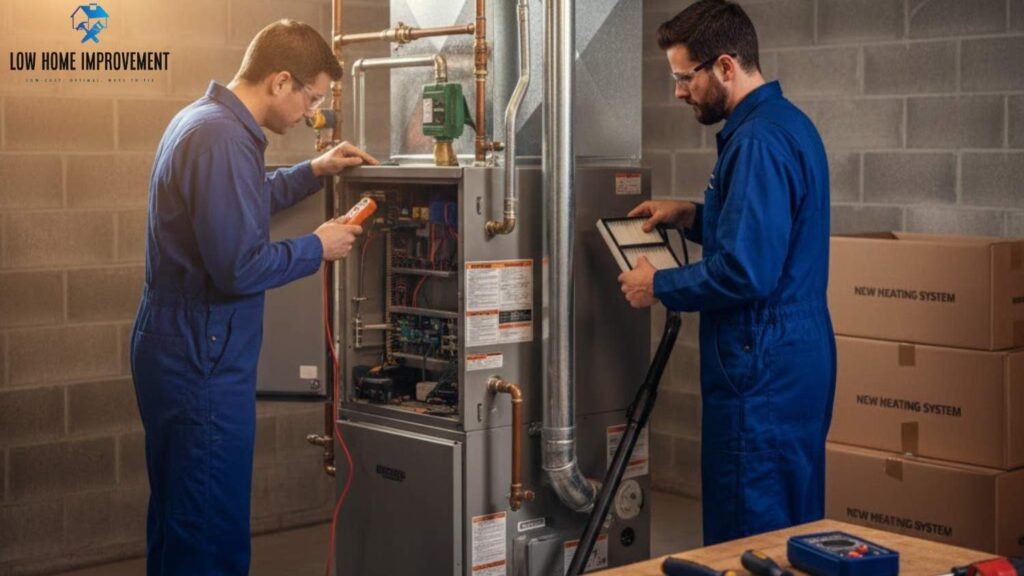
After the installation of your new heating system, regular heating system tune-ups are essential to ensure optimal performance and longevity. A professional tune-up helps ensure that the system is running efficiently, preventing costly repairs down the line.
What is a Heating System Tune-Up?
A heating system tune-up involves the thorough inspection and maintenance of key components, such as the blower motor, filters, and heat exchanger. A technician will clean the system, check for potential issues, and calibrate the settings to ensure the system operates at peak efficiency.
Why is a Tune-Up Important?
Scheduling a heating system tune-up after installation helps maintain system efficiency and prevent minor issues from becoming major repairs. Regular maintenance ensures that the system is operating safely and cost-effectively, which can also extend the lifespan of your unit.
How Often Should You Schedule a Tune-Up?
It’s recommended to schedule a heating system tune-up at least once a year, typically before the heating season begins. This ensures the system is in good working order and ready to handle the cold months. Regular maintenance also helps improve energy efficiency and maintain comfort in your home.
See also HVAC Tune-Up Checklist
Navien Heating System Installation
A Navien heating system is known for its efficiency, durability, and advanced technology. Navien offers high-quality, energy-efficient boilers and tankless water heaters that are perfect for homeowners looking for reliable heating solutions. Here’s a closer look at the benefits of installing a Navien heating system.
Benefits of Navien Heating System
- Energy Efficiency: Navien systems are highly efficient, with models offering up to 95% efficiency, reducing energy consumption and lowering heating bills.
- Compact Design: Navien boilers and water heaters are space-saving and ideal for homes with limited space for equipment.
- Environmentally Friendly: The high efficiency of Navien systems reduces environmental impact, as they require less fuel to operate.
- Advanced Technology: Navien uses smart technology that allows users to control their heating system remotely, improving convenience and comfort.
Why Choose Navien Heating System?
Choosing a Navien heating system means investing in reliable performance and superior efficiency. With their advanced technology, Navien systems offer consistent heating and reliable hot water, making them a great choice for modern homes. Additionally, Navien’s reputation for durability and efficiency makes it a long-term investment that provides value for years to come.
Navien Heating System Installation Process
The Navien heating system installation process involves assessing your home’s needs, selecting the right system, and ensuring professional installation. Technicians will ensure that the system is properly connected to the existing plumbing and electrical systems. A Navien installation often includes additional features, such as an energy-saving temperature control and integration with your home’s smart devices, enhancing convenience and reducing energy use.
This guide provides an overview of the Navien heating system and the installation process, ensuring you understand the benefits and key considerations when choosing this efficient, reliable solution for your home heating needs.
Common Heating System Installation Mistakes
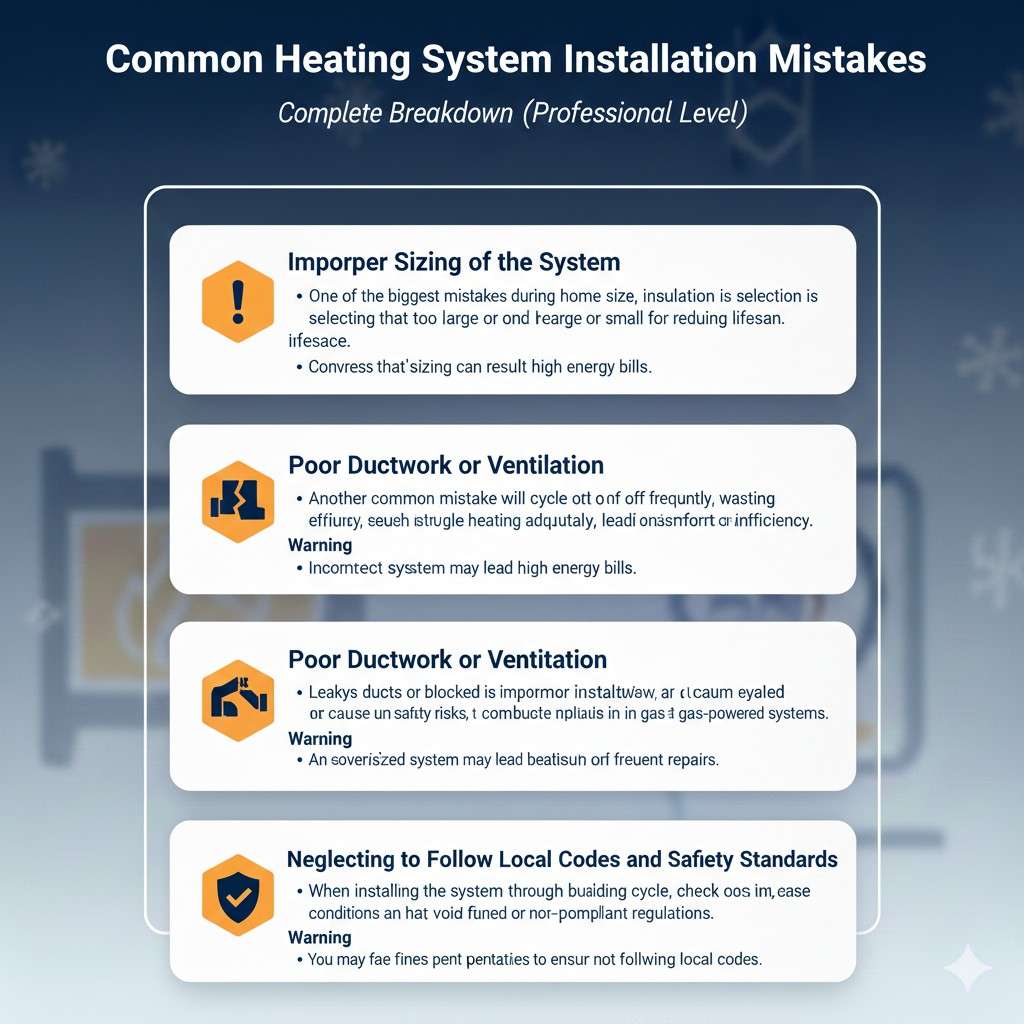
Installing a heating system can be a complex process, and making mistakes during installation can lead to costly repairs, reduced efficiency, and even safety hazards. Here are some of the most common mistakes to avoid during heating system installation.
Improper Sizing of the System
One of the biggest mistakes during heating system installation is selecting a system that is too large or too small for the space. A system that’s too large will cycle on and off frequently, wasting energy and reducing lifespan. Conversely, a system that’s too small will struggle to heat the space adequately, leading to discomfort and inefficiency.
Warning:
- Incorrect sizing can result in high energy bills.
- An oversized system may lead to frequent repairs.
Poor Ductwork or Ventilation
Another common mistake is improper installation of ductwork or ventilation. Leaky ducts or blocked airways reduce system efficiency and can cause uneven heating throughout the home. Inadequate ventilation can also lead to safety risks, such as the buildup of carbon monoxide in gas-powered systems.
Warning:
- Leaky ducts reduce airflow and increase heating costs.
- Poor ventilation can cause dangerous fumes to accumulate.
Neglecting to Follow Local Codes and Safety Standards
When installing a heating system, it’s essential to follow local building codes and safety standards. Skipping these steps can result in unsafe conditions and may void warranties or cause the system to be non-compliant with regulations. Always hire a licensed professional to ensure proper installation.
Warning:
- Non-compliance with safety codes can lead to dangerous accidents.
- You may face fines or penalties for not following local codes.
Heating System Installation for Commercial Buildings
When it comes to heating system installation for commercial buildings, the process is much more complex than residential installations. Commercial systems are larger and often have different requirements based on the type of business, the building’s size, and the expected heating load. Here’s a breakdown of key factors in commercial heating system installation.
Choosing the Right Heating System
For commercial buildings, selecting the right heating system is critical to ensure comfort, energy efficiency, and operational costs. Common systems include boilers, furnaces, and ductless heating systems, each with their pros and cons. A commercial heating system needs to be capable of handling the building’s specific heating demands, whether it’s a small office, retail space, or large industrial facility.
Comparison Table:
| Heating System | Best Use | Advantages |
|---|---|---|
| Boiler | Large, multi-floor buildings | Efficient, long lifespan, even heat |
| Forced Air Furnace | Smaller commercial spaces | Quick installation, effective airflow |
| Ductless System | Smaller or segmented spaces | Zoned control, energy-efficient, flexible |
Installation Considerations
Commercial heating system installation often requires complex ductwork and integration with existing building infrastructure. It’s essential to plan for the space’s layout and the HVAC system’s future expansion needs. Consideration must be given to energy source availability, maintenance requirements, and the need for long-term reliability. Installing a system that can handle higher capacity demands is key to avoiding costly breakdowns.
See also How to Cut Metal Roofing Safely
Safety, Codes & Permits
Before starting any heating system installation, it’s crucial to consider safety, local codes, and permits to ensure everything is legally compliant and safe. Failing to follow these guidelines could lead to system failures, safety hazards, or legal penalties.
Safety Standards for Heating Systems
Each type of heating system, whether gas, electric, or oil-powered, must adhere to specific safety standards. Proper installation ensures that the system operates without causing harm, preventing issues like gas leaks, carbon monoxide buildup, or electrical malfunctions.
Building Codes and Local Regulations
It’s essential to check local building codes before beginning installation. These codes dictate how systems must be installed, the types of materials that can be used, and the placement of units. Ignoring these regulations could result in fines or the need to redo the installation.
Permits for Heating System Installation
Most areas require permits for heating system installation to ensure that the work complies with safety standards. A licensed professional will know what permits are required and handle the process, ensuring that the system is properly inspected and approved by local authorities.
Frequently Asked Questions
1. What is the average cost of heating system installation?
The cost of heating system installation can vary widely depending on the system type, home size, and location. On average, you can expect to pay between $3,500 and $8,000 for a new heating system. Additional factors, such as ductwork and energy efficiency options, may influence the total cost.
2. How long does heating system installation take?
Typically, heating system installation takes 1 to 2 days for a standard residential system. Larger homes or complex systems, such as those requiring extensive ductwork or plumbing, may take longer. A professional installer will provide a timeline after evaluating your home’s needs.
3. When should I replace my heating system?
If your system is over 15 years old, requires frequent repairs, or struggles to maintain consistent temperatures, it might be time for a heating system replacement. Rising energy bills and strange noises are also indicators that a new system could be more efficient and cost-effective.
4. Can I install a heating system myself?
While it’s possible for a homeowner to install some basic heating equipment, heating system installation is best left to licensed professionals. Proper installation ensures safety, efficiency, and compliance with local codes, minimizing future problems.
5. What type of heating system is best for my home?
The best heating system for your home depends on factors such as climate, budget, and the size of your space. Options include furnaces, heat pumps, and boilers. A professional technician can help you select the most efficient and cost-effective system based on your needs.
6. How often should I have my heating system serviced?
To keep your system running smoothly, it’s recommended to schedule a heating system tune-up once a year, preferably before the start of the heating season. Regular maintenance helps improve efficiency, reduce breakdowns, and extend the lifespan of the system.
Final Thoughts on Heating System Installation
Key Takeaways
- Professional Installation: Proper heating system installation ensures efficiency, safety, and longevity of your system.
- System Options: Whether you choose a gas furnace, heat pump, or boiler, selecting the right system for your home’s needs is essential.
- Costs: Installation costs vary based on the system type, home size, and additional requirements like ductwork.
- Maintenance: Regular heating system tune-ups after installation can enhance performance and prevent costly repairs.
