
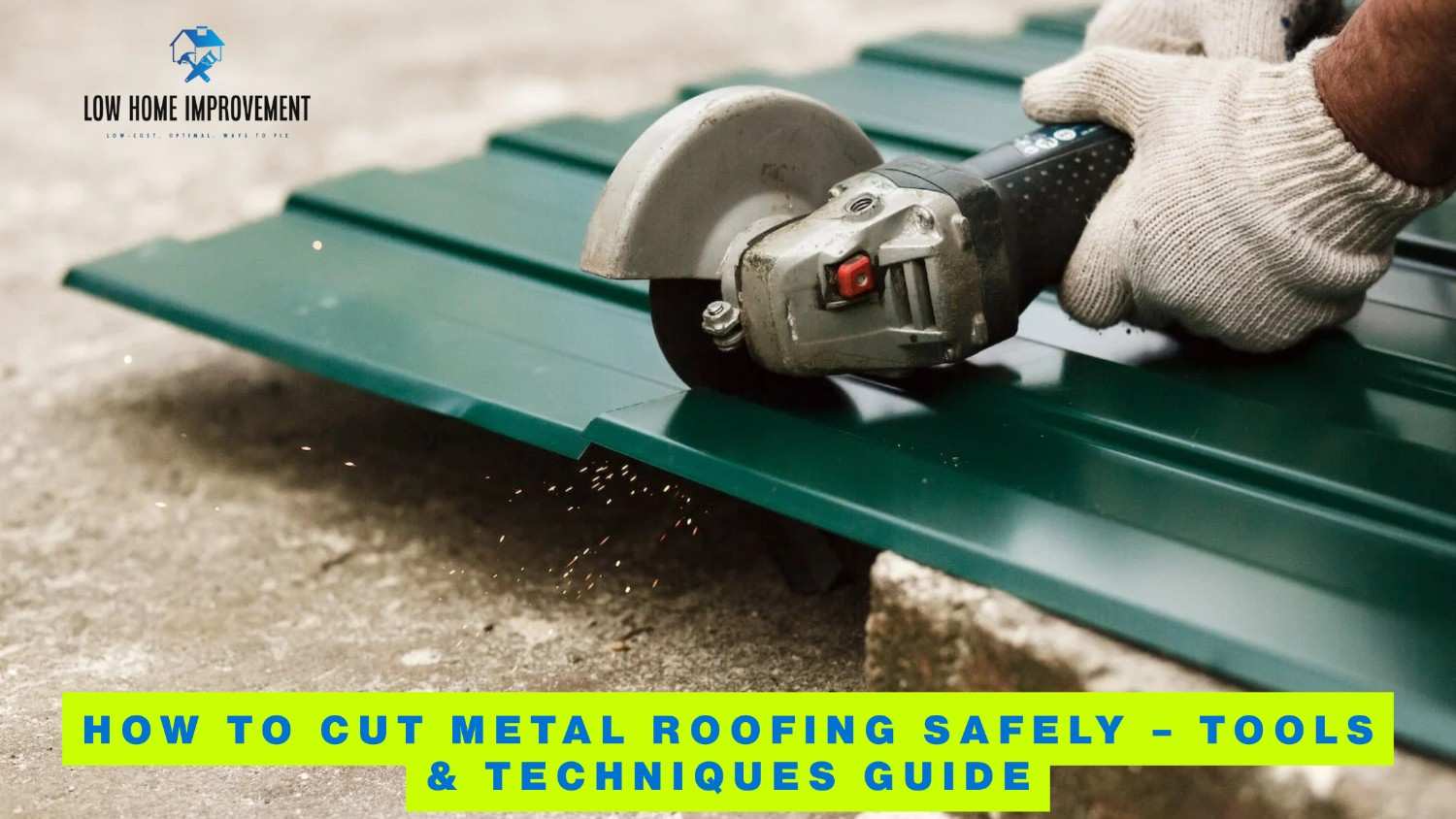
When it comes to installing or repairing a metal roof, knowing how to cut metal roofing correctly is essential. Metal roofing is durable, long-lasting, and resistant to extreme weather, but cutting it requires precision, the right tools, and careful technique. Whether you are working with steel, aluminum, or corrugated panels, making accurate cuts ensures a seamless installation and prevents material waste.
Understanding Metal Roofing Types and Cutting Challenges
Metal roofing comes in several types, including corrugated panels, standing seam panels, and aluminum sheets. Each type has unique characteristics that affect how it should be cut. For example, corrugated panels are lightweight but can bend easily if cut improperly, while standing seam panels are thicker and need careful handling to avoid damaging the seams. Aluminum panels are softer and can be cut more easily, but they may require specific blades to prevent jagged edges.
Cutting metal roofing is not as straightforward as cutting wood or drywall. The hardness, thickness, and protective coatings on panels can make simple cuts challenging. Using the wrong tool or technique can lead to uneven edges, bent panels, or even injury. That’s why understanding the panel type before cutting is critical.
Why Accurate Cuts Matter
Accurate cuts are crucial for several reasons:
- Seamless Installation: Properly cut panels fit together perfectly, preventing leaks or gaps.
- Durability: Precise cuts prevent bending or warping, maintaining the panel’s structural integrity.
- Safety: Jagged or poorly cut edges can cause injuries during handling or installation.
- Cost Efficiency: Reduces material waste by ensuring panels are cut to exact dimensions.
When panels are cut inaccurately, it can compromise both the appearance and the longevity of the roof. Whether you are a DIY enthusiast or a professional contractor, following the correct method ensures a smooth installation process.
Safety Considerations
Safety is critical when cutting metal roofing. Always wear gloves, safety goggles, and ear protection, especially when using power tools like angle grinders or circular saws. Keep your workspace clean and free of obstacles, and secure the panels properly to prevent slipping. Even a small mistake can lead to serious injuries, so never rush the cutting process.
Tools Overview
Different tools are suited for various cutting techniques. Here’s a quick guide:
| Tool | Best For | Pros | Cons |
|---|---|---|---|
| Tin Snips | Small cuts, thin panels | No power needed, precise | Slow for large projects |
| Circular Saw | Straight cuts, long panels | Fast, efficient | Requires metal-cutting blade |
| Jigsaw | Curved or detailed cuts | Flexible, versatile | Slower on thick panels |
| Angle Grinder | Thick or tough metal | Fast, powerful | Sparks, requires safety gear |
| Plasma Cutter | Thick or large panels | Precise, clean cuts | Expensive, needs training |
Choosing the best way to cut metal roofing depends on your panel type, the size of the project, and your comfort with tools. Understanding your options and following safety precautions ensures a professional finish every time.
Tools Required to Cut Metal Roofing
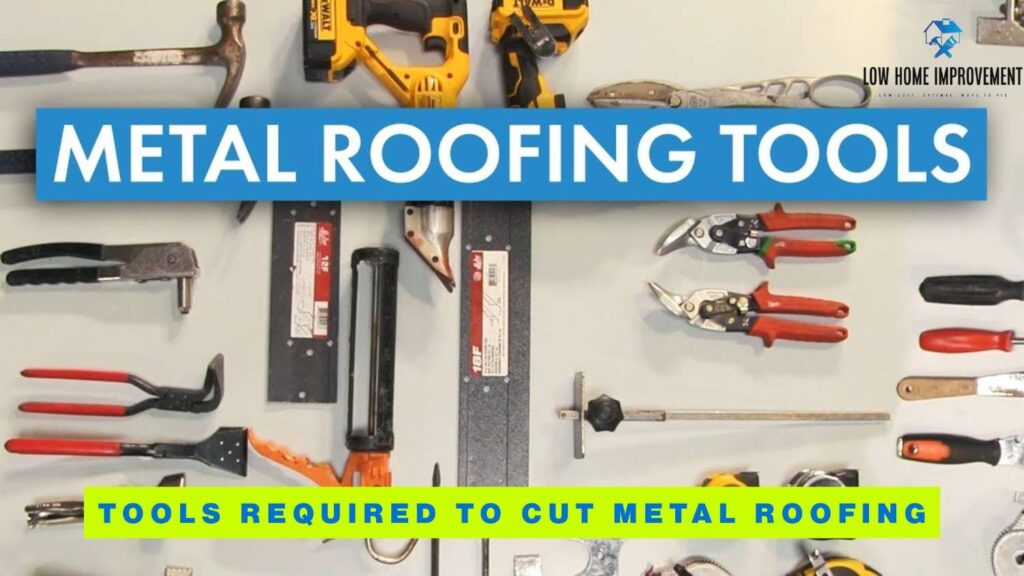
Knowing the best tool to cut metal roofing is essential for both DIYers and professional contractors. The right tool ensures precise cuts, reduces material waste, and makes the job safer and faster. Depending on the type and thickness of the metal panel, you may need hand tools, power tools, or specialized equipment. Below is a detailed guide to cutting metal roofing tools and how to use them effectively.
Hand Tools
Tin snips and aviation snips are traditional hand tools designed for cutting metal sheets manually.
- Best Uses:
- Thin metal panels or small trimming cuts
- Curved cuts or intricate shapes where precision matters
- Pros:
- No electricity needed
- Lightweight and easy to control
- Affordable
- Cons:
- Slow for large projects
- Can be tiring on the hands for extended work
- Safety Tips:
- Always wear gloves to protect from sharp edges
- Keep cutting path clear to avoid hand injuries
Hand tools are ideal for homeowners doing minor repairs or custom cuts around roof openings like vents or skylights.
Power Tools
Power tools make cutting metal roofing faster, especially for large panels. Common options include:
- Circular Saw: Best for straight cuts. Use a metal-cutting blade for clean, smooth edges.
- Angle Grinder: Great for thick or corrugated panels; requires cut-off discs designed for metal.
- Jigsaw: Ideal for curved or detailed cuts; select high-speed steel blades.
- Reciprocating Saw: Useful for demolition or rough cuts.
Pros:
- Fast and efficient for large areas
- Produces clean cuts with the right blade
- Reduces physical effort
Cons:
- Requires electricity or battery power
- Sparks and sharp metal shavings are produced
- Safety gear is mandatory (goggles, gloves, hearing protection)
Safety Tips:
- Secure panels before cutting to prevent slipping
- Always follow manufacturer instructions for each tool
Specialized Tools
For thicker metal or large-scale projects, specialized tools are recommended:
- Metal Shears: Electrically powered shears cut faster than hand snips for long panels.
- Plasma Cutter: Provides precise cuts on thick steel or aluminum, especially for custom shapes.
Advantages:
- Handles large, thick panels efficiently
- Reduces physical strain and speeds up the project
- Produces precise, clean cuts
Tool Comparison Table
| Tool | Metal Thickness | Speed | Precision | Best Use |
|---|---|---|---|---|
| Tin Snips | Thin | Slow | High | Small or curved cuts |
| Circular Saw | Thin–Medium | Fast | High | Straight cuts, long panels |
| Angle Grinder | Medium–Thick | Fast | Medium | Corrugated or thick panels |
| Jigsaw | Thin–Medium | Medium | Medium–High | Curves and details |
| Reciprocating Saw | Thin–Thick | Medium | Low | Rough cuts or demolition |
| Metal Shears | Medium–Thick | Fast | High | Long panels, straight cuts |
| Plasma Cutter | Thick | Very Fast | Very High | Custom shapes, industrial panels |
Summary: Selecting the right tool for cutting metal roofing depends on panel type, thickness, and the desired cut quality. Hand tools are best for precision and small projects, power tools speed up medium-sized tasks, and specialized tools handle thick or large panels efficiently. Always follow safety precautions for a smooth, professional result.
Preparation Before Cutting Metal Roofing
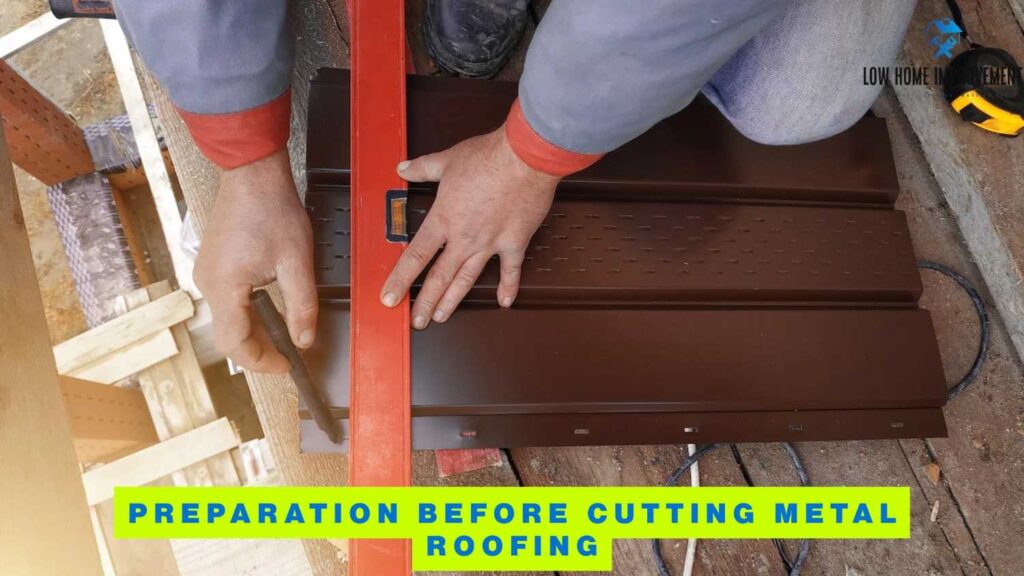
Proper preparation before cutting metal roofing is crucial to ensure clean cuts, accuracy, and safety. Whether you are a DIY enthusiast or a professional, taking time to prepare your workspace and materials reduces mistakes, prevents injuries, and ensures your roof panels fit perfectly during installation. Knowing how to cut metal roofing safely starts long before you touch a saw or snips.
Measuring and Marking
Accurate measurement is the foundation of precise cutting. Before any cuts, measure each panel carefully and mark your lines clearly.
- Tips for straight lines and angles:
- Use a chalk line to mark long straight cuts on panels
- For angled cuts, measure twice and draw your line with a metal ruler or straightedge
- Double-check measurements against your roof plan to avoid errors
Proper measuring prevents panels from being too short or overlapping incorrectly, which can cause leaks or reduce durability.
Surface Setup and Safety Gear
Ensuring a safe and stable cutting surface is just as important as accurate measurement.
- Personal Protective Equipment (PPE):
- Heavy-duty gloves to protect hands from sharp edges
- Safety goggles to prevent metal shards from reaching your eyes
- Ear protection when using power tools like angle grinders or circular saws
- Securing panels:
- Clamp panels to a stable workbench or sawhorses
- Avoid cutting on uneven surfaces to prevent slipping or bending
- Keep the area clear of debris to reduce tripping hazards
By setting up properly, you minimize the risk of accidents while ensuring straight, precise cuts.
Understanding Panel Type
Not all metal roofing panels are cut the same way. Understanding the type of panel is key to choosing the right cutting technique.
- Corrugated Panels: Lightweight and flexible; can be cut with tin snips or circular saws with metal blades
- Standing Seam Panels: Thicker and more rigid; best cut with an angle grinder or power shears
- Aluminum vs. Steel: Aluminum is softer and easier to cut, while steel requires stronger blades and slower, controlled cutting
The panel material and shape influence both the tool choice and the cutting method. Failing to account for these differences can lead to bent edges, jagged cuts, or even panel damage.
Pre-Cut Checklist
- Measure panels and mark cutting lines accurately
- Choose the correct tool based on panel type
- Secure panels to a stable surface
- Wear all necessary PPE (gloves, goggles, ear protection)
- Ensure the workspace is clear and free of hazards
- Double-check measurements against roof plan
Summary: Preparing metal roofing panels before cutting is essential for accuracy, efficiency, and safety. By measuring and marking correctly, setting up a safe workspace, and understanding your panel type, you ensure the best results for your roofing project. Careful preparation is the key to professional-quality cuts and a long-lasting roof.
Methods to Cut Metal Roofing
Knowing how to cut metal roofing sheets properly is essential for any successful roofing project. Different cutting methods work better for specific panel types and thicknesses. From thin corrugated sheets to thick standing seam panels, choosing the right technique ensures clean edges, reduces material waste, and keeps you safe.
Using Tin Snips
Tin snips are hand tools ideal for precise, small cuts, especially for cutting corrugated metal roofing or trimming edges.
- When to Use:
- Thin panels
- Curved or intricate cuts around vents, skylights, or roof edges
- Step-by-Step Process:
- Wear gloves and goggles for safety.
- Mark your cut line clearly with a chalk line or ruler.
- Use the snips to cut along the marked line steadily.
- Smooth sharp edges with a metal file if needed.
- Pros:
- Precise control for small or curved cuts
- No electricity required
- Cons:
- Slow for large panels
- Can be tiring on hands during extended projects
See also How Much Does Drywall Repair Cost
Using Circular Saw or Jigsaw
Circular saws and jigsaws are perfect for cutting standing seam metal roof panels or long, straight cuts.
- Blade Selection:
- Use metal-cutting blades (bi-metal or carbide-tipped) for clean edges.
- Ensure the blade is rated for the panel thickness.
- Step-by-Step Process:
- Secure the panel on sawhorses or a stable surface.
- Mark your cutting line clearly.
- Guide the saw slowly along the line, letting the blade do the work.
- For jigsaws, move steadily along curves or detailed shapes.
- Tips for Clean Cuts:
- Avoid forcing the blade; let it cut naturally
- Clamp the panel to prevent vibrations
- Wear hearing and eye protection
Using Angle Grinder
Angle grinders are versatile tools for cutting metal roofing sheets, especially thick or corrugated panels.
- Blade Types:
- Thin cut-off discs for precise cuts
- Abrasive wheels for quick removal of material
- Cutting Tips:
- Mark your cut line clearly
- Start slowly, gradually increasing speed
- Keep the grinder steady to avoid jagged edges
- Safety Precautions:
- Always wear gloves, goggles, and ear protection
- Be aware of sparks; avoid flammable materials nearby
- Keep a firm grip on the grinder at all times
Using Plasma Cutter
A plasma cutter is ideal for thick metal panels or large roofing projects.
- Advantages:
- Extremely precise, even on thick steel or aluminum
- Fast cutting speed
- Minimal manual effort required
- Best Uses:
- Industrial-scale projects
- Custom shapes or complex designs
- Safety Tips:
- Requires specialized training
- Wear PPE including welding mask, gloves, and protective clothing
Comparing Cutting Methods
| Tool | Best For | Accuracy | Speed | Cost | Notes |
|---|---|---|---|---|---|
| Tin Snips | Thin/corrugated panels | High | Slow | Low | Great for curves and small cuts |
| Circular Saw | Straight cuts, medium panels | High | Medium | Medium | Needs metal-cutting blade |
| Jigsaw | Curves & detailed cuts | Medium | Medium | Medium | Ideal for custom shapes |
| Angle Grinder | Thick or corrugated panels | Medium | Fast | Medium | Produces sparks, use PPE |
| Plasma Cutter | Thick panels, industrial | Very High | Very Fast | High | Precise, requires training |
Summary: Each method has its place in cutting metal roofing projects. Tin snips are excellent for detailed or thin panels, while circular saws and jigsaws handle straight and curved cuts efficiently. Angle grinders tackle thick or corrugated panels with speed, and plasma cutters are ideal for precision and large-scale work. Choosing the right method for your metal type, panel thickness, and project size ensures smooth installation and professional results.
Cutting Techniques for Different Metal Roofing Types
When it comes to cutting metal roofing for installation, not all panels are the same. Each type requires a slightly different approach to ensure clean, straight cuts without damaging the material. Whether you are cutting metal roofing for sheds or residential projects, following the correct technique prevents warping, bent edges, and installation problems. Knowing how to cut metal roofing straight lines also ensures a professional finish and reduces waste.
Corrugated Metal Panels
Corrugated panels are lightweight and widely used for sheds, garages, and some residential roofing projects. Their ridged shape can make cutting tricky if not handled properly.
Step-by-Step Cutting:
- Measure and mark the cut line clearly using a chalk line or ruler.
- Clamp the panel to a stable surface to prevent movement.
- Use tin snips for small or curved cuts; use a circular saw with a metal-cutting blade for long straight cuts.
- Cut slowly along the ridges to avoid bending the metal.
- File any sharp edges for safety.
Tips to Avoid Bends or Warping:
- Always support both sides of the panel when cutting.
- Cut gradually rather than forcing the blade.
- Avoid placing heavy weight on the panel after cutting.
Corrugated panels respond well to slower, controlled cuts, which minimizes distortion along the ridges.
Standing Seam Metal Roof Panels
Standing seam panels are thicker and designed for durability and weatherproofing. Improper cuts can damage seams, affecting both appearance and performance.
How to Cut Without Damaging Seams:
- Mark cut lines precisely and double-check measurements.
- Use circular saws with carbide-tipped blades or angle grinders for clean cuts.
- Avoid cutting through the seams themselves; focus on flat areas.
- Smooth edges with a metal file or deburring tool to prevent scratches during installation.
Recommended Tools:
- Circular saws with metal blades for straight cuts
- Angle grinders for tough or thick panels
- Tin snips for minor adjustments
Proper handling ensures the panels maintain their interlocking capability, keeping your roof water-resistant and strong.
Aluminum vs Steel Panels
Aluminum panels are lightweight and softer, making them easier to cut. Steel panels are harder and require more durable blades and careful handling.
Adjustments in Speed and Pressure:
- Aluminum: Moderate speed, light pressure; avoids jagged edges
- Steel: Slower speed, firm but controlled pressure; prevents overheating the blade
Blade Selection:
- Aluminum: Standard bi-metal or carbide-tipped blades
- Steel: Heavy-duty metal-cutting blades, angle grinder discs for thicker panels
Handling each material according to its properties ensures clean, safe cuts that fit perfectly during installation.
See also What Is the Best Paint for Garage Walls?
Tool Recommendations by Metal Type
| Metal Type | Recommended Tool | Cut Quality | Notes |
|---|---|---|---|
| Corrugated Panels | Tin snips, circular saw | High | Good for straight or curved cuts |
| Standing Seam Panels | Circular saw, angle grinder | Very High | Avoid seams; smooth edges after cutting |
| Aluminum Panels | Circular saw, jigsaw, tin snips | High | Light pressure; softer material |
| Steel Panels | Angle grinder, plasma cutter, circular saw | High | Slow cutting; wear PPE |
Summary: Cutting techniques vary based on the metal roofing type. Corrugated panels require careful support and controlled cutting, standing seam panels need precision to avoid seam damage, and aluminum vs steel panels demand different blades and cutting speeds. Following the correct method ensures professional results, prevents material waste, and makes installation smoother.
Cutting Metal Roofing for Specific Applications
When installing metal roofing, knowing how to cut metal roofing for vents, chimneys, and skylights is crucial. Precision ensures a tight fit, prevents leaks, and maintains the aesthetic of your roof. Whether you’re cutting metal roofing for skylights or modifying panels for a garage or shed, proper techniques save time, material, and money.
Roof Openings and Obstacles
Roof openings like chimneys, skylights, and vents require careful measurement and cutting. Improper cuts can lead to gaps, water leaks, and structural issues.
Tips for Measuring and Cutting Around Obstacles:
- Measure twice, cut once: Always double-check the dimensions of the opening.
- Mark clearly: Use a chalk line or fine-tip marker to outline cuts on the panel.
- Use appropriate tools:
- Tin snips for small adjustments
- Circular saw or angle grinder for straight cuts around openings
- Allow for overlap: Metal roofing panels need a slight overlap around vents or chimneys to prevent leaks.
- Smooth edges: File or deburr sharp edges to avoid injury and ensure a snug fit.
Careful handling during this step is essential for cutting metal roofing around chimneys and other irregular shapes without damaging panels.
Fitting Panels for Garage, Shed, or Carport
Metal panels often need trimming to fit specific spaces like garages, sheds, or carports. Cutting them accurately prevents waste and ensures professional-looking results.
Tips for Trimming Panels to Fit Space:
- Measure the length and width of the area carefully.
- Use straight-line cutting methods for long edges (circular saw with metal blade recommended).
- Cut slowly to avoid bending or warping thin panels.
- Mark panels for cuts that align with seams to maintain structural integrity.
- Consider future expansion or panel overlap for water drainage.
Avoiding Waste:
- Always plan cuts to use scrap pieces for smaller sections.
- Cut larger panels only after confirming measurements.
- Avoid repeated trimming, which weakens the metal.
Common Mistakes When Cutting for Installation
- Cutting panels without marking openings properly → causes uneven gaps around vents/skylights
- Using the wrong tool → leads to jagged edges or bent panels
- Ignoring panel support → results in warping or bending during cuts
- Not wearing safety gear → risk of cuts, eye injuries, or sparks
- Overcutting → waste of material and extra cost
By following these techniques, cutting metal roofing for vents, skylights, and installations becomes much safer, faster, and more precise. Proper measurement, tool selection, and planning are key to achieving a clean, professional finish.
Safety Tips When Cutting Metal Roofing
Cutting metal roofing safely is essential for both DIYers and professionals. Metal panels are sharp, heavy, and can produce sparks when using power tools, so following safety guidelines reduces the risk of injuries and ensures a smoother cutting process. Knowing safety tips for cutting metal roofing protects your hands, eyes, and ears while helping you achieve precise, clean cuts.
Personal Protective Equipment (PPE)
Proper PPE is the first step in ensuring safety during metal cutting:
- Gloves: Heavy-duty work gloves protect your hands from sharp edges and metal shards.
- Eye Protection: Safety goggles or a full-face shield prevent flying particles from injuring your eyes.
- Hearing Protection: Power tools like angle grinders and circular saws can be loud; earplugs or earmuffs reduce the risk of hearing damage.
Always inspect your PPE before starting work and replace any damaged equipment.
Handling Sharp Edges
Metal panels naturally have sharp edges after cutting, which can cause serious cuts if handled improperly.
- Deburring Edges: Use a metal file or deburring tool to smooth the edges after every cut.
- Preventing Injuries: Always lift and carry panels with gloves, and never run your fingers along raw edges. Store cut panels safely to avoid accidental contact.
Even a small cut can lead to infection, so taking care with sharp edges is critical.
Safe Use of Power Tools
Power tools speed up the cutting process but can be dangerous if used incorrectly:
- Guarding: Ensure all guards on circular saws, angle grinders, and jigsaws are in place.
- Proper Grip: Hold the tool firmly with both hands to maintain control.
- Cutting Direction: Always cut away from your body and maintain a stable stance to prevent slips or kickbacks.
- Blade Check: Ensure blades are sharp and designed for metal; dull blades increase the risk of accidents.
Following these rules reduces the likelihood of accidents while cutting large or thick panels.
Safety Checklist
- Wear gloves, goggles, and ear protection
- Deburr all cut edges before handling
- Clamp panels securely before cutting
- Maintain stable footing and cutting direction away from body
- Inspect blades and tools before use
- Keep work area clean and free of obstructions
Summary: By prioritizing PPE, careful handling of sharp edges, and proper use of power tools, you can cut metal roofing safely and efficiently. Safety precautions not only protect you but also improve the quality of your cuts and reduce material damage.
Common Mistakes to Avoid When Cutting Metal Roofing
Even experienced DIYers and professionals can make errors when cutting metal panels. Understanding the common mistakes cutting metal roofing helps save time, reduce waste, and prevent injuries. By avoiding these pitfalls, your roofing project will be smoother and more efficient. Here we cover frequent cutting metal roofing errors and how to prevent them.
Skipping Measurement or Marking
One of the most frequent mistakes is not measuring or marking the panel properly before cutting.
- Consequence: Uneven cuts, gaps during installation, wasted material.
- Fix: Always measure twice and mark clearly using a chalk line or straight-edge ruler. Double-check angles for roof openings, trims, and overlaps.
Accurate measurements are critical, especially when cutting metal roofing for vents or skylights, where even minor mistakes can compromise weatherproofing.
Using the Wrong Tool for Metal Type
Using a tool not suited for the metal panel type is a common error. For example, trying to cut thick steel with tin snips or soft aluminum with a dull angle grinder blade.
- Consequence: Jagged edges, warped panels, slower progress.
- Fix: Match tools to the panel type:
- Aluminum: Tin snips or jigsaw with metal blade
- Steel: Circular saw with carbide blade or angle grinder
- Thick panels: Plasma cutter for precision
Choosing the correct tool ensures clean, straight cuts and reduces the risk of damaging panels.
Not Securing Panels Properly
Metal panels that aren’t clamped or supported can shift during cutting, causing inaccurate cuts or injury.
- Consequence: Warped panels, uneven lines, potential kickback accidents.
- Fix: Clamp panels to a stable surface, use sawhorses or a workbench, and always support the cut area to prevent movement.
Even a small wobble can ruin a cut and create dangerous sharp edges.
Ignoring Safety Gear
Neglecting PPE is a dangerous mistake. Gloves, eye protection, and hearing protection are not optional when cutting metal.
- Consequence: Cuts, eye injuries, hearing damage from loud tools.
- Fix: Always wear gloves, goggles, and ear protection. Deburr cut edges before handling.
Safety is essential, especially when using high-speed tools like circular saws, angle grinders, or plasma cutters.
Mistakes vs. Consequences vs. Fix Table
| Mistake | Consequence | Fix |
|---|---|---|
| Skipping measurement/marking | Uneven cuts, wasted panels | Measure twice, mark clearly |
| Using wrong tool | Jagged edges, warping | Match tool to metal type and thickness |
| Not securing panels | Shifts during cutting, unsafe | Clamp panels, use stable surface |
| Ignoring safety gear | Injuries, hearing damage | Wear gloves, goggles, ear protection |
Summary: Avoiding these common errors ensures your cutting metal roofing process is safe, efficient, and produces professional results. Proper measurement, correct tools, panel support, and PPE are essential steps for a smooth project.
Maintaining and Caring for Cut Metal Roofing Panels
After successfully cutting your metal roofing panels, proper care and maintenance are essential to ensure long-lasting performance. Following simple steps can prevent rust, corrosion, and damage during storage and installation. Using metal roofing maintenance techniques, homeowners and professionals can extend the lifespan of panels while keeping them looking great. These tips also help protect your investment in high-quality materials.
Deburring and Edge Treatment
Cutting metal panels leaves sharp edges that are prone to chipping, bending, or causing injuries. Proper edge treatment is the first step in caring for metal roofing:
- Deburring: Use a metal file, deburring tool, or sandpaper to smooth rough edges after cutting.
- Edge protection: Apply a thin layer of primer or sealant on exposed edges to prevent moisture penetration.
- Handling tips: Always wear gloves when handling freshly cut panels to avoid cuts.
Properly deburred edges prevent injuries during installation and reduce the risk of corrosion at cut sites.
Protective Coating and Rust Prevention
Metal panels, especially steel, are susceptible to rust if exposed to moisture. Applying protective coatings is vital for rust prevention on metal roofs:
- Galvanized or pre-painted panels: Check if your panels already have a protective layer. Minor cuts may expose bare metal.
- Touch-up paint: Use a compatible metal paint or primer on cut edges to seal them.
- Rust inhibitors: For extra protection, consider zinc-rich primer or anti-rust sprays on edges and drill holes.
Routine inspection of installed panels ensures early detection of scratches or exposed metal that could lead to rust.
Proper Storage of Cut Panels
Before installation, storing cut panels correctly prevents warping, scratches, and moisture damage:
- Flat storage: Keep panels flat on a stable surface to avoid bending.
- Dry area: Store panels in a covered, dry space to prevent water contact.
- Avoid stacking too high: Heavy stacking can cause dents or warping, especially on thinner aluminum panels.
- Cover with protective sheet: Use a tarp or protective cover for outdoor storage.
By combining proper storage with deburring and rust prevention, your panels stay in optimal condition until installation.
Summary: Maintaining and caring for cut metal roofing panels involves smoothing edges, applying protective coatings, and storing panels safely. Following these simple steps prevents rust, extends panel life, and ensures a safe and smooth installation process. Regular maintenance checks further protect your investment and keep your roof durable for years.
Frequently Asked Questions About Cutting Metal Roofing
Cutting metal roofing can be intimidating for first-time DIYers and even some professionals. To help answer the most common questions, we’ve compiled a guide addressing high-intent queries, ensuring your project is safe, precise, and efficient. These FAQs also target featured snippets and People Also Ask (PAA) results.
What is the best tool to cut metal roofing?
The best tool to cut metal roofing depends on the type and thickness of the metal panel:
- Tin snips: Ideal for thin aluminum or corrugated steel. Precise but slower.
- Circular saw or jigsaw: Good for straight cuts on medium panels with a metal-cutting blade.
- Angle grinder: Fast cuts for steel or thick panels, but edges may need deburring.
- Plasma cutter: Best for thick metal or large projects, offering high speed and precision.
Choosing the right tool ensures smooth, straight cuts and reduces the risk of damage.
Can I cut metal roofing with a circular saw?
Yes, a circular saw can be used to cut metal roofing with the correct blade:
- Blade type: Use carbide-tipped or metal-cutting blades.
- Speed: Moderate speed prevents overheating and warping.
- Support: Clamp panels securely to avoid movement.
Circular saws are effective for long, straight cuts but require proper safety gear and technique.
How do I cut standing seam metal roof panels?
Standing seam panels need special care to avoid damaging seams:
- Avoid snips for long cuts; they can distort the seam.
- Recommended tools: Circular saw with metal blade or angle grinder.
- Technique: Cut from the flat portion, not the seam, and support panels to prevent bending.
Precise cuts maintain the integrity of the interlocking system, ensuring a watertight roof.
How to avoid bending metal while cutting?
Warping or bending is common if panels aren’t properly handled:
- Secure panels with clamps or sawhorses.
- Use the correct tool for the panel type and thickness.
- Cut slowly and steadily; avoid forcing the tool.
- For delicate metals like aluminum, consider multiple light passes rather than a single deep cut.
Proper handling ensures clean cuts and reduces waste.
How many coats of protective finish are needed after cutting?
After cutting, bare edges should be sealed to prevent rust:
- Minimum: One coat of metal primer or touch-up paint.
- Recommended: Two coats for high-moisture areas.
- Optional: Add a clear protective topcoat for extra durability, especially for steel panels exposed to outdoor elements.
Proper post-cut protection ensures your metal roofing panels last for decades.
Summary: Knowing the right tools, techniques, and post-cut care makes cutting metal roofing sheets safe, accurate, and efficient. Following these FAQs ensures clean cuts, prevents bending, and protects panels from rust.
Final Thoughts on How to Cut Metal Roofing
Cutting metal roofing may seem daunting at first, but with the right preparation, tools, and techniques, it becomes a manageable task for both DIYers and professionals. Precision is crucial because even minor mistakes can lead to wasted material, warped panels, or structural issues during installation. Choosing the proper tool based on the metal type, thickness, and project scale ensures cleaner cuts, reduces damage, and improves overall efficiency.
Safety should always come first. Wearing gloves, eye protection, and hearing protection is essential, especially when using power tools like circular saws, angle grinders, or plasma cutters. Additionally, securing panels and using the correct cutting technique prevents accidents and ensures smooth, straight lines.
Understanding your panel type—whether corrugated, standing seam, aluminum, or steel—guides your choice of tools and cutting method. For instance, tin snips work well on thinner panels, whereas an angle grinder or circular saw is better suited for thicker steel. Standing seam panels require special care to avoid damaging seams, and aluminum needs slower cuts to prevent bending.
Finally, post-cut care is vital. Deburring edges, applying touch-up paint, and storing panels correctly helps prevent rust, extends their lifespan, and keeps your roof durable for years. By following these best practices, you can save time, reduce errors, and achieve professional-quality results.
Key Takeaways
- Tool selection matters: Match the tool to the metal type and thickness.
- Proper prep and measurement ensure accuracy: Marking lines and securing panels prevent mistakes.
- Safety first: Always wear PPE and follow safe cutting techniques.
- Panel type determines cutting method: Aluminum, steel, corrugated, and standing seam panels have different requirements.
- Post-cut care prevents rust and damage: Deburr edges, apply protective coatings, and store properly.
Quick Reference Table – Tool, Panel Type, Best Cutting Method
| Tool | Panel Type | Best Use / Cutting Method |
|---|---|---|
| Tin Snips | Thin corrugated, aluminum | Small trims, straight or curved cuts |
| Aviation Snips | Medium corrugated | Precision cuts, detailed shapes |
| Circular Saw | Steel, aluminum | Long straight cuts, moderate thickness |
| Jigsaw | Aluminum, steel | Curved or detailed cuts |
| Angle Grinder | Thick steel panels | Fast cuts, deburr edges after |
| Plasma Cutter | Steel, large panels | High-speed, precise cuts, industrial use |
By following the tips, safety guidelines, and tool recommendations outlined in this guide, anyone can confidently tackle how to cut metal roofing efficiently and safely. Proper preparation, careful cutting, and post-cut care are the keys to achieving a professional, long-lasting result.
✅ Word count: ~380
