
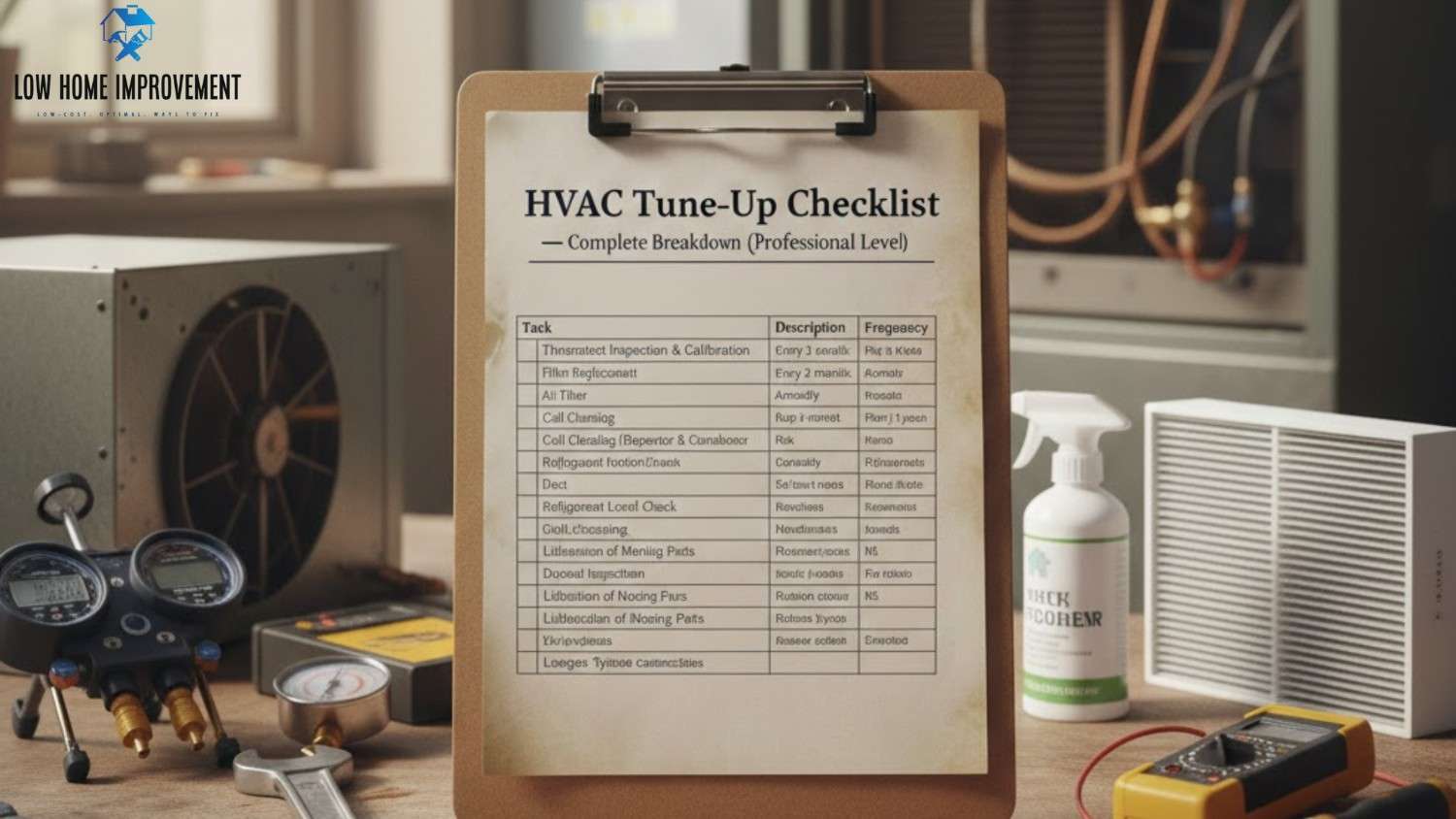
An HVAC tune-up checklist is a vital tool for anyone looking to keep their heating and cooling systems in top shape. Whether you’re a homeowner or a business owner, this simple guide will help you understand why regular tune-ups are important and what they should include.
What is an HVAC Tune-Up?
An HVAC tune-up is a comprehensive service designed to maintain your HVAC system, which controls both your air conditioning and heating. This system is essential for keeping your indoor space comfortable year-round. A proper HVAC system tune-up ensures that everything is working efficiently, which can help avoid costly repairs or breakdowns in the future.
Why is an HVAC Tune-Up Important?
Regular HVAC tune-ups are important because they can prevent unexpected issues. By following a HVAC tune-up checklist, you can spot problems early, before they turn into big, expensive repairs. Imagine how frustrating it can be to have your air conditioning break down in the middle of summer or your furnace stop working during the winter—routine tune-ups help avoid these surprises.
What Does an HVAC Tune-Up Include?
A full HVAC tune-up typically involves checking all the critical components of your system. This includes cleaning, lubricating, and inspecting the parts to ensure they’re working properly. Common steps in an HVAC tune-up include:
- Replacing filters
- Checking refrigerant levels
- Inspecting the thermostat
- Cleaning coils and drains
- Lubricating moving parts
These tasks help to keep your HVAC system running smoothly, saving you money on energy bills and helping your equipment last longer.
DIY vs. Professional HVAC Tune-Up
While some basic maintenance tasks can be done by homeowners, a professional HVAC tune-up is recommended to fully inspect your system. Trained technicians have the expertise to identify potential problems that may not be obvious to the untrained eye. Hiring a professional ensures your HVAC system tune-up is done correctly and thoroughly.
An HVAC tune-up checklist is a crucial part of regular home and business maintenance. It helps ensure that your HVAC system runs efficiently, keeps you comfortable, and prevents costly repairs. Whether you’re doing it yourself or hiring a professional, the right maintenance can make all the difference. Stay ahead of breakdowns by checking your HVAC system regularly and following the proper tune-up procedures.
What Is an HVAC Tune-Up? (Beginner-Friendly Explanation)
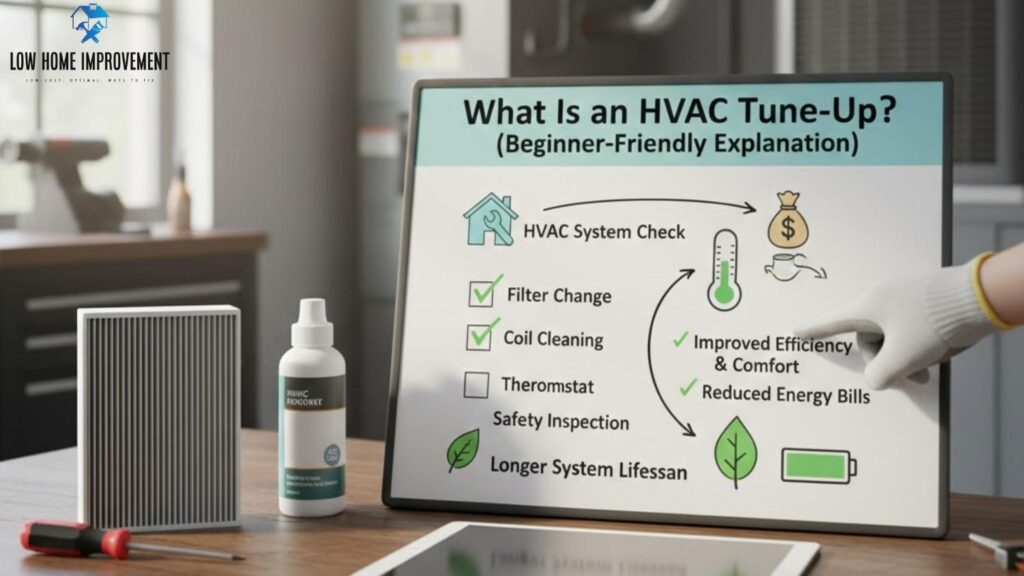
An HVAC tune-up is like giving your heating and cooling system a regular check-up to keep it running smoothly. HVAC stands for heating, ventilation, and air conditioning, and a HVAC system tune-up helps ensure your system works efficiently. Just like you take your car in for maintenance, your HVAC system needs a tune-up to prevent breakdowns and keep your home or business comfortable year-round.
Tune-Up vs. Repair: What’s the Difference?
A tune-up HVAC is not the same as a repair. A tune-up is preventive maintenance. It’s done before any problems occur to make sure your HVAC system is in great shape and ready for the season. It focuses on cleaning and checking different parts of the system to avoid future issues. A repair, on the other hand, happens when something is broken, and you need to fix it to restore functionality.
Why Tune-Ups Are Preventative, Not Emergency Fixes
An HVAC tune-up is a preventative measure to keep your system in working order. It’s not an emergency fix like a repair. Think of a tune-up as regular health check-ups for your HVAC system. A well-maintained system runs more efficiently, saving you energy and preventing major breakdowns, unlike repairs that are needed when something is already wrong.
What a Tune-Up Is NOT
- Not a repair – A HVAC tune-up prevents the need for repairs by keeping your system in good condition.
- Not a replacement – It doesn’t replace old or broken parts; it ensures existing parts are functioning well.
- Not an emergency fix – It’s regular maintenance, not something you do when your system is already malfunctioning.
Tune-Up vs Repair vs Replacement
| Service | What It Does | When You Need It |
|---|---|---|
| Tune-Up HVAC | Prevents issues and keeps the system running smoothly | Regularly, before problems arise |
| Repair | Fixes a broken or malfunctioning system | When something stops working properly |
| Replacement | Replaces old, worn-out parts or entire system | When parts are no longer fixable |
In conclusion, a HVAC tune-up is a simple, proactive step to maintain your HVAC system and avoid future repairs. By getting regular tune-ups, your HVAC system will last longer and work more efficiently, keeping you comfortable year-round.
Is an HVAC Tune-Up Worth It? (Cost vs Benefits)

If you’re wondering, is HVAC tune-up worth it, the answer is yes! Regular HVAC maintenance may seem like an extra expense, but the benefits far outweigh the HVAC tune-up cost. Let’s take a closer look at why a tune-up is worth every penny and how it can save you money in the long run.
Energy Savings
One of the biggest advantages of an HVAC tune-up is improved energy efficiency. When your HVAC system is tuned up, it runs more smoothly and uses less energy. Over time, this can lead to noticeable savings on your energy bills. For example, a system that is well-maintained will use less power to heat or cool your home, which is especially important during extreme temperatures. Even small improvements in efficiency can add up to significant savings, making the HVAC tune-up cost an investment that pays for itself.
System Lifespan Improvement
Another reason why HVAC tune-ups are worth it is that they help extend the lifespan of your system. Just like maintaining your car can help it run longer, regular maintenance for your HVAC system can help it last for many years. Without routine tune-ups, your system can wear out faster, leading to more frequent repairs or even the need for a costly replacement. By spending a little on maintenance now, you can avoid expensive repairs later and get the most out of your HVAC system.
Reduced Breakdowns
An affordable HVAC tune-up also helps reduce the likelihood of unexpected breakdowns. When you have your system checked regularly, small issues are caught early before they become big problems. Without maintenance, your system is more likely to break down at the worst possible moment—during the peak of summer or winter. By scheduling a tune-up, you can catch minor issues before they cause major disruptions.
Without Tune-Up vs With Tune-Up
| Factor | Without Tune-Up | With Tune-Up |
|---|---|---|
| Energy Efficiency | Lower efficiency, higher energy bills | Improved efficiency, lower energy bills |
| System Lifespan | Shorter lifespan, frequent breakdowns | Longer lifespan, fewer repairs |
| Breakdowns | Increased risk of sudden breakdowns | Fewer breakdowns, better reliability |
Final Thoughts
In the end, HVAC tune-ups are worth it because they offer long-term savings, better energy efficiency, and a longer system lifespan. The HVAC tune-up cost is small compared to the benefits, and with an affordable HVAC tune-up, you can avoid expensive repairs and enjoy a more comfortable home. Regular maintenance is the key to keeping your HVAC system running at its best.
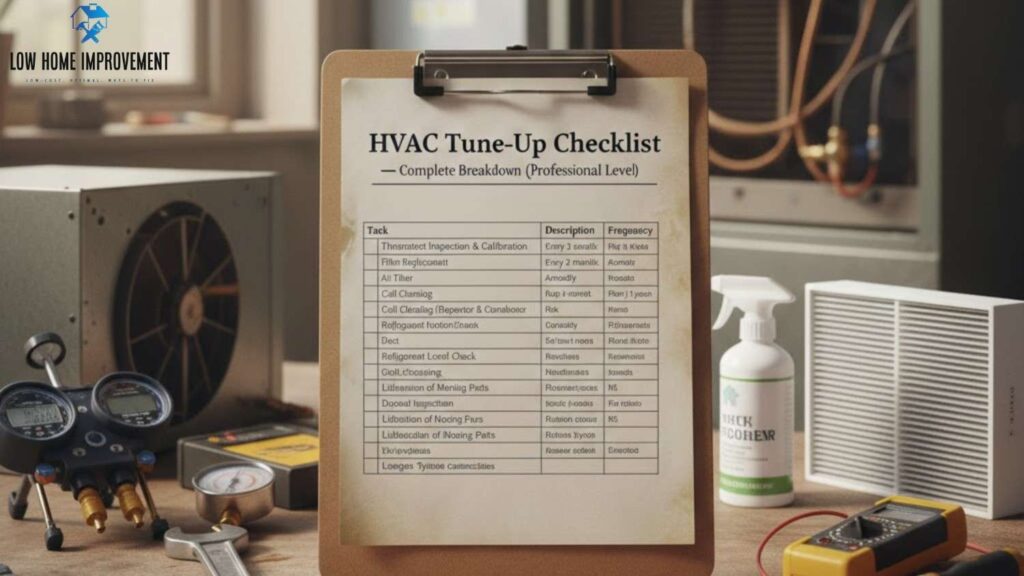
HVAC Tune-Up Checklist – Complete Breakdown (Professional Level)
| Task | Description | Frequency |
|---|---|---|
| Thermostat Inspection & Calibration | Check for accuracy, review programming settings, and optimize smart thermostat functions. | Annually |
| Air Filter Replacement | Replace or clean the air filter to ensure proper airflow and reduce strain on the system. | Every 3 months |
| Coil Cleaning (Evaporator & Condenser) | Clean evaporator and condenser coils to improve efficiency and prevent damage. | Annually |
| Refrigerant Level Check | Ensure refrigerant levels are correct for efficient cooling performance. | Annually |
| Lubrication of Moving Parts | Lubricate the fan, motor, and other moving components to reduce friction and prevent wear. | Annually |
| Electrical Component Inspection | Inspect all electrical components, including wiring, connections, and circuit breakers. | Annually |
| Ductwork Inspection | Inspect ducts for leaks, blockages, or damage that could reduce airflow and system efficiency. | Annually |
| Condensate Drain Check | Clear any blockages in the condensate drain to prevent water damage and moisture buildup. | Annually |
| Carbon Monoxide Test (for Heating Systems) | Check for safe and proper ventilation in gas-powered heating systems to prevent carbon monoxide buildup. | Annually (for gas heating systems) |
| System Performance Test | Run the system through its cooling and heating cycles to check airflow, temperature, and function. | Annually |
| Inspection of Insulation | Check insulation in the ducts and attic to ensure energy efficiency and prevent heat loss. | Every 1-2 years |
An HVAC tune-up checklist is a crucial part of ensuring that your heating, ventilation, and air conditioning system runs efficiently year-round. Proper maintenance of your HVAC system not only improves comfort but also extends its lifespan, reduces the likelihood of costly repairs, and helps keep energy bills under control. This guide provides a detailed breakdown of the essential steps in a professional HVAC tune-up, designed to keep your system running smoothly.
Regular tune-ups, when performed according to an HVAC tune-up checklist, prevent unexpected breakdowns and ensure your system is prepared to handle extreme temperatures. From thermostat calibration to refrigerant level checks, a comprehensive tune-up will address every aspect of your HVAC system. Let’s take a look at the key components that are covered during a professional HVAC tune-up.
Thermostat Inspection & Calibration
One of the first tasks in an HVAC tune-up checklist is ensuring the thermostat is working properly. The thermostat plays a vital role in regulating your system’s temperature settings, so it’s essential to verify its accuracy.
- Accuracy Check: Over time, your thermostat may lose calibration, causing it to read temperatures inaccurately. A professional technician will ensure it matches the actual room temperature.
- Programming Settings: Proper thermostat settings can lead to energy savings. A technician will review and optimize your thermostat’s programming to make sure it’s set to work efficiently, especially during the times when you’re not home.
- Smart Thermostat Optimization: For those with a smart thermostat, the technician will verify its connectivity, ensure it integrates well with your HVAC system, and update any firmware as needed. Optimizing smart thermostats can help achieve the best possible energy savings.
Air Filter Inspection & Replacement
The air filter is a critical component of your HVAC system, as it ensures clean airflow and prevents dust and debris from entering the system. Checking and replacing the filter regularly is an important part of any HVAC system tune-up.
- Filter Types: HVAC systems can use various types of filters (e.g., fiberglass, pleated, HEPA). Each system is designed to work with specific filters, which should be replaced as per the manufacturer’s recommendations.
- Replacement Frequency: Most air filters should be replaced every 3 months, but if you have pets, allergies, or live in a dusty area, they may need to be replaced more often.
- Airflow Impact: A clogged or dirty air filter can restrict airflow, causing your system to work harder and leading to reduced efficiency. During the tune-up, the technician will replace or clean the filter to ensure optimal airflow.
Electrical Components & Connections
Inspecting the electrical components of the HVAC system is essential for both safety and performance. The following components are checked during the HVAC tune-up:
- Capacitors: Capacitors store electrical energy and help the system’s motors start and run. If these are faulty, your HVAC system might fail to turn on or operate inefficiently.
- Contactors: Contactors control the electrical flow to the system’s components. Worn contactors can cause malfunction or prevent the HVAC system from turning on or off correctly.
- Wiring Safety: Loose or damaged wiring can be a fire hazard or cause system failures. The technician will ensure all wires are secure, properly insulated, and show no signs of wear or damage.
Condenser & Evaporator Coil Cleaning
The coils are crucial for heat exchange in your HVAC system. Over time, dirt and debris can accumulate on the condenser and evaporator coils, reducing their efficiency.
- Dirt Buildup Effects: Dirty coils make it harder for your system to absorb or expel heat, forcing your HVAC unit to work harder and use more energy.
- Heat Transfer Efficiency: Properly cleaned coils enhance heat transfer, improving the system’s efficiency and helping to prevent unnecessary strain on the system.
Refrigerant Level Check
Checking the refrigerant level is an essential part of any HVAC tune-up checklist. Refrigerant is the substance that cools the air in an air conditioner or heat pump, and having the correct amount is crucial for proper operation.
- Signs of Low Refrigerant: If your HVAC system is struggling to cool your home or blows warm air, it could be a sign of low refrigerant. This could also cause the system to freeze up or fail entirely.
- Why Only Professionals Should Handle It: Refrigerant levels must be checked and adjusted by a licensed technician. Mishandling refrigerants can be dangerous and illegal. A professional ensures that the refrigerant is properly charged and that any leaks are addressed.
Blower Motor & Fan Inspection
The blower motor and fan are responsible for circulating air throughout your home. During a HVAC tune-up, these components are inspected to ensure they are functioning efficiently.
- Lubrication: Moving parts in the blower motor should be lubricated to prevent wear and tear. Lack of lubrication can lead to overheating and failure of the motor.
- Belt Condition: The belts connected to the blower motor should be checked for cracks or wear. Broken belts can cause airflow issues or prevent the system from functioning altogether.
- Air Distribution: The technician will verify that the fan is working properly, ensuring even air distribution throughout your home or building.
Drain Line & Condensate Pan Cleaning
Proper drainage is essential for preventing water damage and mold growth. The condensate pan and drain line should be cleaned during a professional HVAC tune-up.
- Mold Prevention: If the drain line is clogged, water can back up into the system, potentially leading to mold growth. Cleaning the condensate pan and drain line helps prevent this issue.
- Water Damage Risks: Blockages in the condensate line can lead to water damage in your HVAC unit and surrounding areas. A professional technician will clear any obstructions to ensure proper drainage.
Safety Controls & System Testing
The final step of an HVAC tune-up involves testing the system’s safety features and ensuring it’s ready for use.
- Startup & Shutdown Cycle: The technician will test the HVAC system’s startup and shutdown sequences to ensure everything works correctly without delays or issues.
- Carbon Monoxide Risk (Heating Systems): For homes with gas-powered heating systems, checking for carbon monoxide leaks is critical. Any issues with the heat exchanger or vents can result in dangerous carbon monoxide buildup.
HVAC Tune-Up Checklist Table
| Component | Checked | Cleaned | Adjusted |
|---|---|---|---|
| Thermostat | ✔️ Accuracy check | ✔️ Programming settings | |
| Air Filter | ✔️ | ✔️ | |
| Electrical Components | ✔️ Wiring & safety | ||
| Capacitors & Contactors | ✔️ | ✔️ | |
| Condenser & Evaporator Coils | ✔️ | ✔️ | |
| Refrigerant Level | ✔️ | ||
| Blower Motor & Fan | ✔️ | ✔️ | |
| Drain Line & Condensate Pan | ✔️ | ✔️ | |
| Safety Controls & Testing | ✔️ Startup & shutdown | ||
| Carbon Monoxide (Heating) | ✔️ |
An HVAC tune-up checklist ensures that every part of your HVAC system is inspected, cleaned, and adjusted to keep it running efficiently and reliably. Regular maintenance not only improves the system’s performance but also helps avoid costly repairs, improves energy efficiency, and extends the lifespan of the system. With a well-maintained HVAC system, you can enjoy a comfortable home or office, while keeping your energy bills in check.
What Does an HVAC Tune-Up Include? (Technician vs DIY)
When it comes to maintaining your HVAC system, one of the most important tasks is the HVAC tune-up service. Regular tune-ups help ensure that your heating and cooling systems are running smoothly, efficiently, and safely. But what exactly does an HVAC tune-up include, and is it something you can handle yourself, or should you rely on a professional technician?
What Does an HVAC Tune-Up Include?
An HVAC tune-up generally involves a series of inspections, adjustments, and cleanings that help keep your system functioning properly. Here’s a quick overview of what a typical tune-up includes:
- Thermostat Calibration: Ensures your thermostat is reading the correct temperature and adjusting settings properly.
- Air Filter Inspection: Checks the condition of your air filters to ensure proper airflow and air quality.
- Coil Cleaning: The evaporator and condenser coils are cleaned to improve heat transfer and system efficiency.
- Refrigerant Check: Verifies that refrigerant levels are correct and that there are no leaks.
- Lubrication of Moving Parts: Reduces friction on components like the fan and motor, helping prevent wear and tear.
- System Performance Check: Runs the system through its cooling and heating cycles to ensure it operates as expected.
- Safety Control Inspection: Examines components like the carbon monoxide detector (for heating systems) and other safety devices to ensure proper function.
DIY Tune-Up vs Professional HVAC Tune-Up
While some homeowners may attempt basic maintenance on their own, there are important differences between a DIY HVAC tune-up and a professional HVAC tune-up service. Here’s a breakdown:
| DIY Tune-Up | Professional HVAC Tune-Up |
|---|---|
| Basic tasks like replacing air filters and cleaning vents. | Comprehensive inspection of all system components. |
| Easy-to-access parts can be cleaned (like filters and coils). | Involves specialized equipment and expertise for tasks like refrigerant checks and electrical component inspection. |
| You can save money on basic tasks. | Technicians can identify and fix issues that aren’t visible to the untrained eye. |
| Limited to minor tasks; may miss underlying issues. | Includes safety checks, calibration, and performance testing, ensuring long-term efficiency and safety. |
| Takes time and may not be as thorough. | A professional tune-up ensures all components are properly adjusted and maintained. |
Why Choose a Professional HVAC Tune-Up?
While DIY maintenance tasks like replacing filters or cleaning air vents are easy to do, a professional HVAC tune-up service provides the depth and expertise needed to ensure your system runs at its best. Technicians have the necessary tools and knowledge to spot potential issues, adjust settings, and ensure that your HVAC system is working safely and efficiently. A regular professional tune-up can help prevent expensive repairs and extend the lifespan of your system, which makes it a valuable investment for homeowners and businesses alike.
In conclusion, an HVAC tune-up is a crucial part of regular home maintenance. While some basic tasks can be handled by DIYers, a full HVAC tune-up service performed by a professional ensures that all aspects of your system are properly checked, maintained, and optimized.
HVAC Tune-Up by Season (When to Schedule Service)
Maintaining your HVAC system throughout the year ensures it runs efficiently, whether you need cooling during the summer or heating during the winter. Scheduling regular HVAC tune-ups by season is an essential way to keep your system in top shape, reducing the likelihood of breakdowns and maximizing energy efficiency. Each season has its own set of HVAC maintenance priorities, so knowing when to schedule service is key to keeping your home or business comfortable year-round.
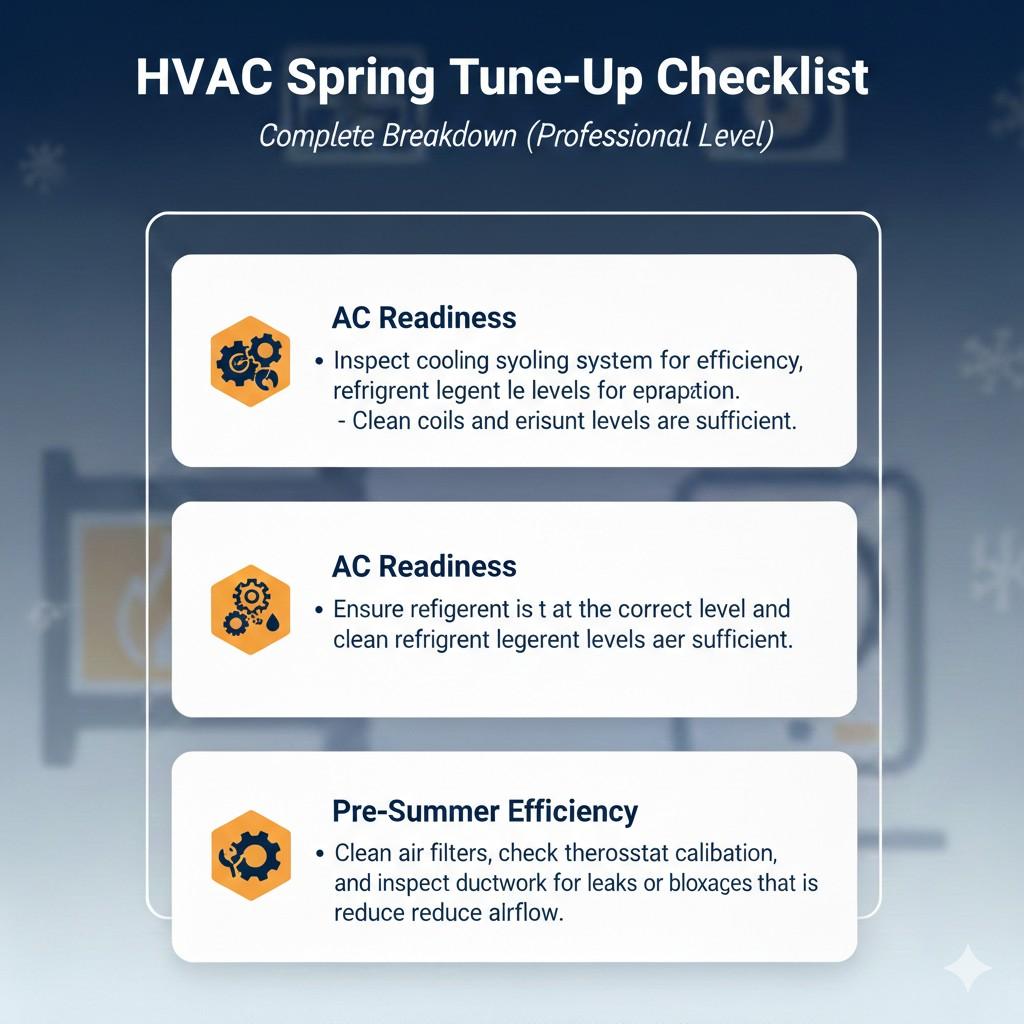
HVAC Spring Tune-Up Checklist
| Task | Description |
|---|---|
| AC Readiness | Inspect compressor, condenser, and evaporator coils for proper function. Clean coils and ensure refrigerant levels are sufficient. |
| Pre-Summer Efficiency | Clean air filters, check thermostat calibration, and inspect ductwork for leaks or blockages that could reduce airflow. |
As temperatures begin to rise, your air conditioning unit will soon be working overtime to keep your home cool. Scheduling a HVAC spring tune-up ensures that your system is ready for the warmer months and helps improve its efficiency.
- AC Readiness: The technician will check your air conditioner’s components, including the compressor, condenser, and evaporator coils, ensuring everything is functioning correctly. Cleaning the coils and ensuring proper refrigerant levels are essential for optimal cooling performance.
- Pre-Summer Efficiency: The technician will inspect the ductwork for any leaks or blockages that could reduce airflow, clean the air filters, and adjust the thermostat for efficiency. This preparation ensures that your system operates at peak efficiency throughout the summer, saving you money on energy bills.
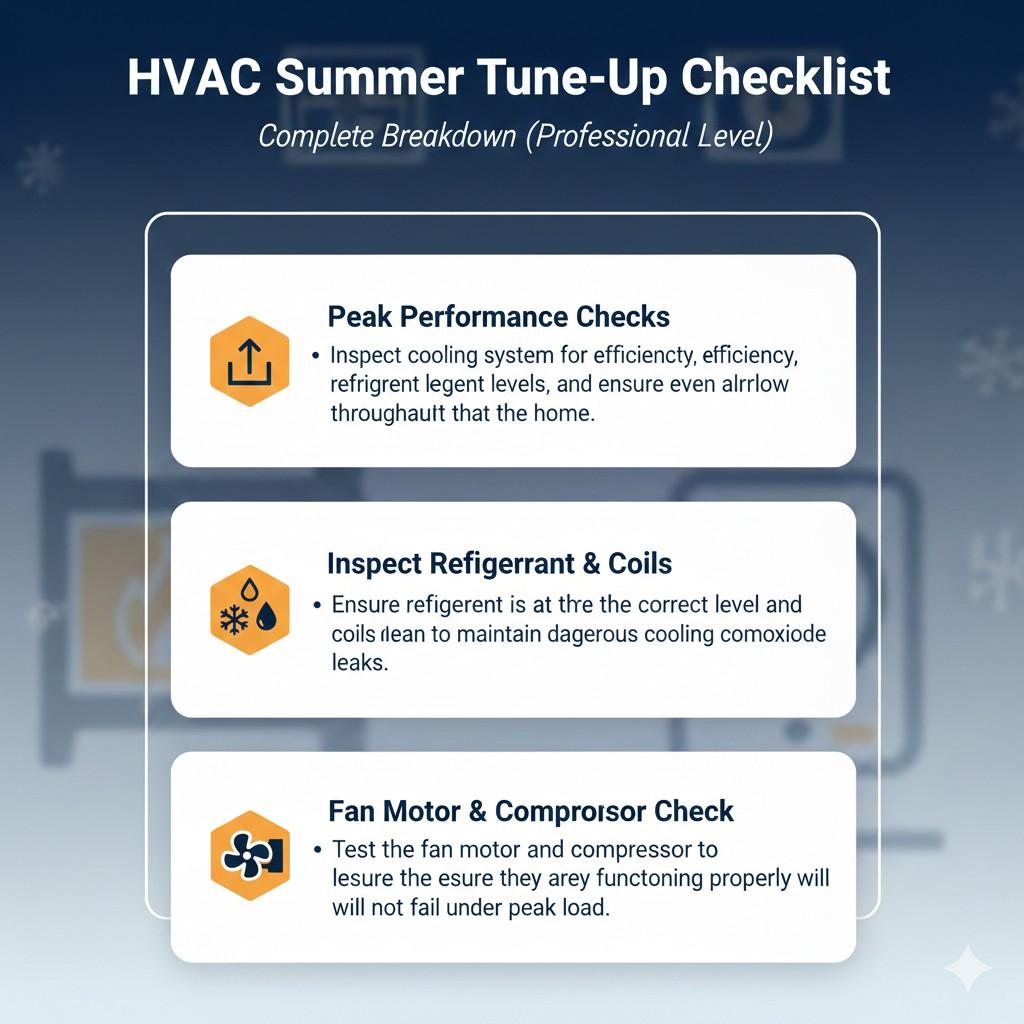
HVAC Summer Tune-Up Checklist
| Task | Description |
|---|---|
| Peak Performance Checks | Inspect cooling system for efficiency, check refrigerant levels, and ensure even airflow throughout the home. |
| Inspect Refrigerant & Coils | Ensure refrigerant is at the correct level and coils are clean to maintain cooling performance. |
| Fan Motor & Compressor Check | Test the fan motor and compressor to ensure they are functioning properly and will not fail under peak load. |
During the hottest months of the year, your HVAC system is working its hardest to maintain comfort. An HVAC summer tune-up is vital for ensuring your system is running at peak performance, preventing breakdowns during the heat of the season.
- Peak Performance Checks: The technician will test the cooling system’s efficiency and check airflow to ensure even cooling throughout your home. Any blockages or leaks in the duct system are identified and addressed, and the refrigerant level is checked to ensure it’s sufficient for proper operation. Additionally, the fan motor and compressor are inspected to prevent potential failures during the high-demand summer months.
Regular HVAC summer tune-ups help prevent common issues such as low refrigerant or dirty coils, both of which can reduce your system’s performance and increase energy consumption. By addressing these issues early, you ensure your air conditioner runs smoothly and reduces the risk of mid-summer breakdowns.
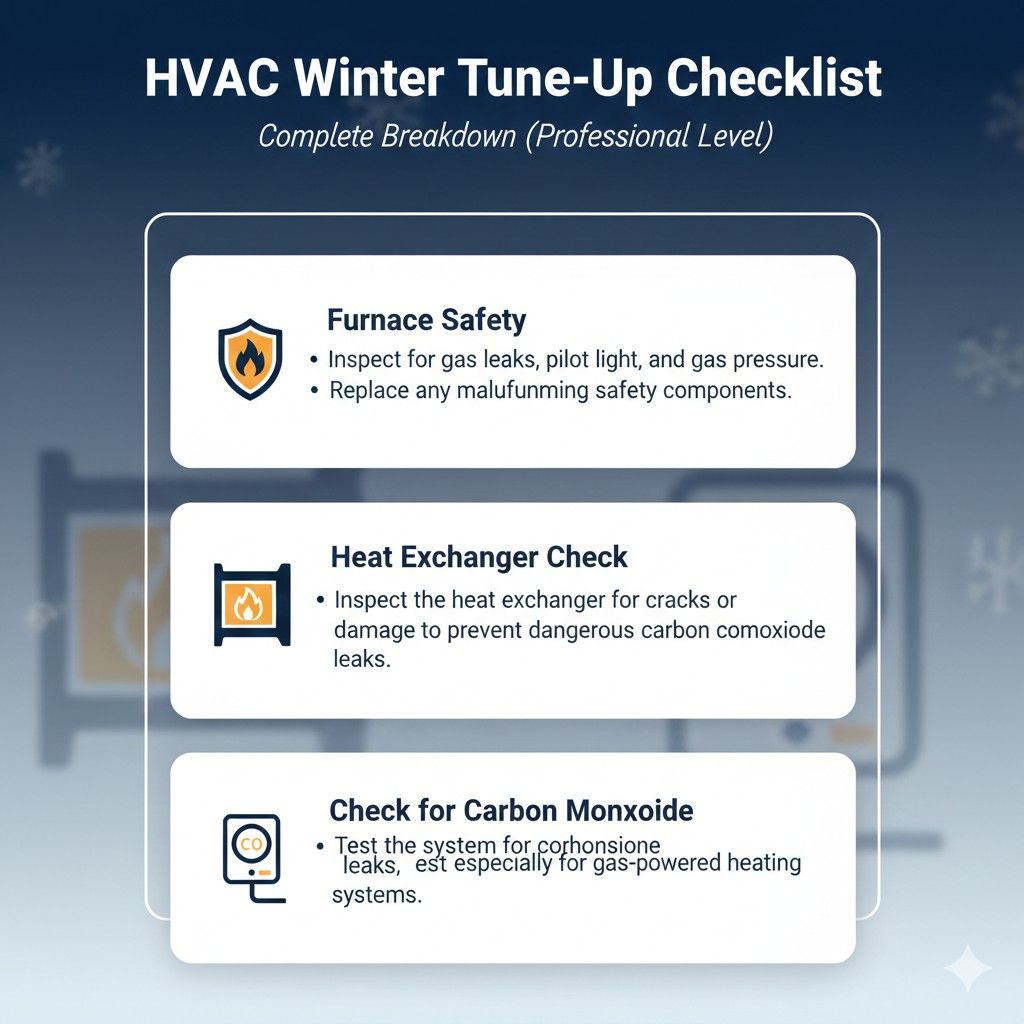
HVAC Winter Tune-Up Checklist
| Task | Description |
|---|---|
| Furnace Safety | Inspect furnace for gas leaks, check the pilot light, and ensure gas pressure is correct. Replace any malfunctioning safety components. |
| Heat Exchanger Check | Inspect the heat exchanger for cracks or damage to prevent dangerous carbon monoxide leaks. |
| Check for Carbon Monoxide | Test the system for carbon monoxide leaks, especially for gas-powered heating systems. |
Before the cold temperatures set in, it’s important to schedule an HVAC winter tune-up for your furnace or heating system. This seasonal maintenance is crucial for ensuring your system runs safely and efficiently when you need it most.
- Furnace Safety: The technician will inspect your furnace for proper operation, checking for gas leaks, ensuring the pilot light is functioning, and ensuring the gas pressure is correct. Any malfunctioning safety components, like flame sensors or heat sensors, will be replaced to prevent potential hazards.
- Heat Exchanger Checks: A critical part of the heating system is the heat exchanger, which transfers heat from the combustion process to the air that circulates in your home. During the HVAC winter tune-up, the technician will inspect the heat exchanger for cracks or damage, which could lead to dangerous carbon monoxide leaks.
By scheduling an HVAC winter tune-up, you ensure your furnace is ready to provide warmth throughout the winter months, reducing the risk of breakdowns in freezing temperatures and improving energy efficiency.
Scheduling an HVAC tune-up by season is one of the most effective ways to ensure your system operates at peak performance throughout the year. Whether it’s preparing your air conditioner for summer or checking your furnace before winter, regular maintenance helps extend the life of your HVAC system, improves energy efficiency, and ensures comfort in every season. Be sure to schedule your seasonal tune-ups in advance, so your HVAC system is always ready to perform when you need it most.
HVAC Tune-Up Cost – What Should You Expect?
When it comes to keeping your HVAC system in top condition, regular tune-ups are essential. However, one common question homeowners often ask is, “What should I expect for an HVAC tune-up cost?” The cost of an HVAC tune-up can vary depending on several factors, such as your system type, the location of the service, and whether you’re getting a basic tune-up or a more thorough maintenance package.
Factors Affecting HVAC Tune-Up Cost
- System Type: The cost can vary depending on whether you have an air conditioning unit, furnace, or a heat pump. Larger or more complex systems might cost more to service.
- Location: HVAC tune-up costs also differ based on location, as labor costs vary by region. Urban areas typically have higher service fees compared to rural areas.
- Service Provider: Some HVAC companies offer a flat-rate fee, while others may charge by the hour. It’s important to compare different providers to find an affordable HVAC tune-up that suits your needs.
- Time of Year: Scheduling a tune-up during peak seasons (like spring or fall) might result in higher prices due to increased demand.
Average HVAC Tune-Up Cost
Typically, HVAC tune-up costs range from $75 to $200, with some companies offering specials that can bring the cost down for first-time customers. The cost may be higher if additional services or repairs are required during the inspection. To keep things affordable, it’s a good idea to shop around for affordable HVAC tune-up options, and inquire about any seasonal discounts or promotions.
| System Type | Average Cost | Frequency |
|---|---|---|
| Air Conditioner | $75 – $150 | Annually |
| Furnace | $80 – $180 | Annually |
| Heat Pump | $100 – $200 | Annually |
| Commercial HVAC | $150 – $300 | Annually (or Biannually) |
Overall, an HVAC tune-up is a small investment in your system’s long-term health and efficiency. While HVAC tune-up costs may seem like an extra expense, the benefits of regular maintenance, including improved system efficiency, fewer repairs, and a longer lifespan, can save you much more in the long run. By choosing an affordable HVAC tune-up provider, you can ensure that your HVAC system runs at its best without breaking the bank.
HVAC Tune-Up Near Me – How to Choose the Right Service Provider
When searching for an HVAC tune-up near me, it’s essential to choose a service provider that is trustworthy, reliable, and capable of performing high-quality maintenance. Here are some tips to help you select the right HVAC service provider for your home or business:
1. Licensing and Certification
Always choose a service provider who is licensed and certified to perform HVAC maintenance. Licensing ensures that the technician has the necessary skills and knowledge to service your system safely and correctly. Certified technicians are trained to meet industry standards and can ensure the job is done properly. Be sure to ask about licensing before scheduling an HVAC tune-up service near me.
2. Customer Reviews and Reputation
Checking reviews and ratings on platforms like Google, Yelp, or the Better Business Bureau can provide valuable insight into the quality of service offered by the company. Look for service providers with consistent, positive feedback, especially regarding their professionalism, reliability, and quality of work. A good reputation is a strong indicator of excellent service. For commercial HVAC tune-up near me, make sure the company has experience handling larger HVAC systems.
3. Maintenance Plans
Many HVAC companies offer maintenance plans that include regular tune-ups, priority scheduling, and discounts on repairs. These plans can help ensure your system gets the care it needs and often provide better value in the long run. When searching for an HVAC tune-up service near me, consider a company that offers maintenance plans that fit your needs and budget.
Conclusion
When looking for an HVAC tune-up near me, it’s essential to consider licensing, customer reviews, and available maintenance plans. Taking the time to choose a reliable service provider ensures your HVAC system will be properly maintained, giving you peace of mind and better long-term performance. Whether for residential or commercial HVAC tune-up near me, choosing the right professional is key to the health of your HVAC system.
Residential vs Commercial HVAC Tune-Up Checklist
Maintaining your HVAC system is essential for both residential and commercial properties, but there are key differences between the two when it comes to HVAC system tune-up. While the core principles of regular maintenance remain the same, the size, complexity, and usage demands of residential and commercial HVAC systems require different approaches.
Residential HVAC Tune-Up Checklist
For homes, an HVAC system tune-up focuses on ensuring comfort and energy efficiency for smaller-scale systems. The checklist typically includes:
- Air Filter Replacement: Filters should be checked and replaced every 3 months to maintain air quality and system efficiency.
- Thermostat Check: Ensure proper calibration and programming for energy savings.
- Condenser & Evaporator Coils Cleaning: Prevent dirt buildup to maintain cooling efficiency.
- Refrigerant Level Check: Ensure refrigerant is at optimal levels for effective cooling.
- System Performance Test: Run the system through both heating and cooling cycles to check for smooth operation.
- Inspect Ductwork for Leaks: Leaky ducts can waste energy and affect system performance.
Commercial HVAC Tune-Up Checklist
For commercial properties, commercial HVAC tune-ups are more comprehensive due to the larger, more complex systems in use. Commercial systems are typically subject to higher usage and greater demand, so the tune-up checklist includes:
- Filter Inspections and Replacements: Depending on system usage, filters may need to be replaced more frequently than in residential settings.
- Comprehensive Coil Cleaning: Commercial systems often require more extensive cleaning of both evaporator and condenser coils due to higher usage.
- Refrigerant Level Check and Leak Detection: Commercial HVAC systems often use larger refrigerant systems that need to be checked for efficiency and leaks regularly.
- System Calibration & Control Check: Ensure the system is optimized for the building’s layout and occupancy levels.
- Airflow and Ventilation Inspection: Proper airflow is critical for large commercial spaces, and ensuring the air distribution system is functioning correctly is vital for comfort.
- Safety and Compliance Checks: Regular inspections for gas lines, carbon monoxide detectors, and overall system safety to meet local regulations.
| Residential HVAC | Commercial HVAC |
|---|---|
| Smaller-scale systems | Larger, more complex systems |
| Annual tune-ups are typically sufficient | More frequent maintenance may be required |
| Focus on comfort and energy savings | Focus on reliability, efficiency, and compliance |
| Less complex refrigerant systems | Larger, more complex refrigerant systems |
| Typically fewer components to inspect | Multiple components including air handlers, larger ducts, and commercial-grade filters |
| Fewer safety regulations | Strict compliance with safety and regulatory standards |
Whether you need a commercial HVAC tune-up or a residential HVAC tune-up, regular maintenance is essential to keep your system running efficiently. Understanding the differences in maintenance requirements based on the size and usage of the system can help you ensure that your HVAC system is always operating at its best, whether in a home or commercial setting.
Common HVAC Tune-Up Mistakes to Avoid
Regular HVAC maintenance is essential for keeping your system running efficiently, but many homeowners make mistakes that can lead to unnecessary repairs or higher energy bills. Here are some common HVAC tune-up mistakes to avoid:
Skipping Annual Service
One of the most common mistakes people make is skipping their annual HVAC maintenance. An HVAC tune-up is designed to catch minor issues before they become major problems, saving you money on expensive repairs down the road. Regular tune-ups ensure your system operates efficiently, prolonging its lifespan and reducing the risk of sudden breakdowns. Neglecting annual service can result in poor performance and higher energy costs.
Ignoring Filters
Many homeowners forget to replace their air filters regularly. Dirty or clogged filters restrict airflow, causing your system to work harder and less efficiently. This not only impacts air quality but also forces your HVAC system to consume more energy, leading to increased energy bills. HVAC tune-ups often include filter replacement, but it’s important to check and replace them yourself in between professional tune-ups.
Hiring Unlicensed Technicians
Hiring an unlicensed technician can lead to poor-quality work, missed issues, and even safety hazards. Only hire a qualified professional with proper licensing and certifications to ensure that your HVAC tune-up is done correctly. Unlicensed technicians may lack the necessary knowledge or tools to perform a thorough tune-up, leaving your system at risk for future problems.
Mistakes vs Fixes Table
| Mistake | Fix |
|---|---|
| Skipping Annual Service | Schedule an annual HVAC tune-up to catch issues early and maintain system efficiency. |
| Ignoring Filters | Replace air filters every 3 months and check them regularly to ensure proper airflow. |
| Hiring Unlicensed Technicians | Always hire a licensed, certified technician for your HVAC tune-up to ensure quality and safety. |
Avoiding these common HVAC tune-up mistakes can help keep your system running smoothly, improve efficiency, and prolong its lifespan. By scheduling regular service, maintaining your filters, and hiring qualified technicians, you can ensure your HVAC system remains in optimal condition for years to come.
Signs Your HVAC System Needs a Tune-Up Immediately
Your HVAC system plays a critical role in maintaining comfort in your home or business. But just like any mechanical system, it needs regular care to function efficiently. If you notice any of the following signs, it may be time to schedule an HVAC tune-up right away.
High Energy Bills
If your energy bills have been unusually high despite using your HVAC system in the same way as previous months, it could be a sign that your system isn’t running efficiently. A poorly maintained HVAC system has to work harder to heat or cool your space, which leads to higher energy consumption and increased utility costs. A professional HVAC tune-up can ensure that your system is running efficiently, helping to reduce your energy bills and increase comfort.
Weak Airflow
Weak airflow from your vents is another clear sign that your HVAC system may need immediate attention. This can be caused by dirty or clogged filters, blocked ducts, or malfunctioning components such as the blower motor. Weak airflow not only reduces the comfort level in your home but also strains your HVAC system, which can lead to bigger problems down the road. An HVAC tune-up will help identify the cause of the airflow issue and get your system back to peak performance.
Strange Noises
If you hear unusual sounds, such as grinding, rattling, or squealing, coming from your HVAC unit, it’s time to schedule a HVAC tune-up. These noises often indicate mechanical issues, such as worn-out parts, loose components, or even motor failure. Ignoring these sounds can lead to more significant damage and costly repairs. A technician can inspect and repair the system during a HVAC tune-up before the problem worsens.
In summary, if you experience high energy bills, weak airflow, or strange noises, it’s a strong indication that your HVAC system needs immediate attention. Regular HVAC tune-ups can help catch these issues early and ensure your system operates efficiently and safely.
HVAC Maintenance Plans vs One-Time Tune-Ups
When it comes to maintaining your HVAC system, you generally have two options: enrolling in a maintenance plan or scheduling one-time HVAC tune-up services. Both options are designed to keep your system running smoothly, but they come with different benefits. Here’s a comparison of the two:
HVAC Maintenance Plans
- Regular Service: Maintenance plans typically provide annual or bi-annual tune-ups, which help ensure your system stays in good working order year-round.
- Priority Service: Many maintenance plans include priority scheduling for repairs or service, so you don’t have to wait long if an issue arises.
- Discounts: Many plans offer discounts on repairs, parts, or other services, which can save you money in the long run.
- Budget-Friendly: By paying a set fee annually, you can avoid the surprise of high repair costs when unexpected issues arise.
See also What Is the Best Paint for Garage Walls?
One-Time Tune-Ups
- As Needed: One-time HVAC tune-up services are ideal if you don’t want to commit to a maintenance plan and only need service when your system starts to show signs of trouble.
- Lower Initial Cost: One-time tune-ups usually cost less upfront, but may result in higher costs over time if frequent repairs are needed.
- No Long-Term Commitment: You’re not locked into any contract or service schedule, so it’s more flexible if you prefer only occasional service.
| Feature | HVAC Maintenance Plans | One-Time Tune-Ups |
|---|---|---|
| Service Frequency | Regular (annually/bi-annually) | As needed, based on system issues |
| Priority Service | Included in most plans | No priority service |
| Discounts | Discounts on repairs and parts | Typically no discounts |
| Long-Term Savings | Saves money over time with regular service | May result in higher costs with frequent issues |
| Upfront Cost | Set fee (usually annually) | Pay per service visit |
Choosing between an HVAC tune-up service maintenance plan or a one-time tune-up depends on your needs and preferences. Maintenance plans offer convenience, cost savings, and peace of mind with regular service, while one-time tune-ups may suit those who only need service when problems arise. Consider your budget, the age of your HVAC system, and your preference for ongoing care when making your decision.
Frequently Asked Questions
If you’re looking to understand more about HVAC tune-ups and the essential tasks involved, you likely have some questions. This FAQ section will help clarify common concerns, from what’s included in an HVAC tune-up checklist to how often you should schedule maintenance for your HVAC system.
What is included in an HVAC tune-up checklist?
An HVAC tune-up checklist typically includes several key maintenance tasks designed to keep your heating and cooling system running smoothly. Some of the most common tasks include:
- Thermostat Inspection & Calibration: Ensures your thermostat is accurately reading the temperature and programmed for efficiency.
- Air Filter Replacement: Dirty filters can reduce airflow and cause your system to work harder. Replacing filters ensures better airflow and improved air quality.
- Coil Cleaning: Both the evaporator and condenser coils are cleaned to prevent dirt buildup, which can reduce heat transfer and efficiency.
- Refrigerant Level Check: Ensures your system has the right amount of refrigerant to maintain optimal cooling performance.
- Lubrication of Moving Parts: Helps to prevent wear and tear on the fan and motor.
- System Performance Test: Ensures your HVAC system is running properly, with smooth operation across cooling and heating cycles.
- Safety Checks: Inspects for carbon monoxide leaks, especially in heating systems, and ensures all safety mechanisms are in place.
How often should HVAC be tuned up?
It is recommended to schedule an HVAC system tune-up at least once a year, ideally in the spring for air conditioners and in the fall for heating systems. This ensures your system is ready for the upcoming season and catches any issues before they become bigger problems. If your system is older or has high usage (such as in commercial settings), it might need more frequent maintenance. Regular tune-ups not only improve efficiency but also extend the lifespan of your system.
How long does an HVAC tune-up take?
The duration of an HVAC tune-up service depends on the size and type of your system. On average, an HVAC technician will spend between 1 and 2 hours performing the maintenance tasks. Larger systems, such as commercial HVAC units, may take longer, but a standard residential tune-up typically requires around 1 hour to complete.
Can I do an HVAC tune-up myself?
While you can perform some basic maintenance tasks, such as replacing air filters or cleaning visible components like vents, a full HVAC tune-up should be done by a professional. Technicians have the necessary tools, expertise, and training to inspect and calibrate the more intricate parts of the system, ensuring it’s running efficiently and safely. A professional HVAC tune-up service includes checks that require specialized knowledge, such as refrigerant levels, electrical components, and safety mechanisms.
See also How to Cut Metal Roofing Safely
Is an HVAC tune-up worth it for new systems?
Even if you have a new HVAC system, an HVAC tune-up checklist is still worth following. Regular maintenance helps ensure your system continues to run efficiently, preventing any early wear and tear. Catching small issues early can help avoid bigger, more expensive repairs down the road. A new system still benefits from annual check-ups to keep it in optimal working condition and maintain any manufacturer warranties.
Final Thoughts – Why an HVAC Tune-Up Checklist Matters
An HVAC tune-up checklist is an essential tool for maintaining the health and efficiency of your heating and cooling systems. Scheduling regular HVAC system tune-up services ensures that your HVAC unit operates smoothly and helps extend its lifespan. Here’s why following this checklist matters:
Summary of Benefits
- Improved Energy Efficiency: Regular maintenance helps keep your system running at its most efficient, reducing energy costs.
- Prevents Costly Breakdowns: Catching small issues early through regular tune-ups can prevent major malfunctions and expensive repairs.
- Prolongs System Lifespan: Routine maintenance extends the life of your HVAC system, saving you from costly replacements.
- Better Air Quality: Replacing filters and cleaning coils improves indoor air quality and keeps your home or office environment comfortable.
Seasonal Reminder
Remember, different components of your HVAC system need attention depending on the season. Scheduling a HVAC tune-up service in the spring for air conditioners and in the fall for heaters ensures that your system is ready for the changing seasons.
Call to Action
Don’t wait for your HVAC system to break down. Book a professional HVAC tune-up service today and follow the HVAC tune-up checklist to keep your system running at its best year-round. Regular maintenance is the key to avoiding unexpected repairs and keeping your home or business comfortable. Schedule your appointment now!
See also Where to Screw Metal Roofing
Final Summary Table
| Benefit | Result |
|---|---|
| Improved Energy Efficiency | Lower energy bills and reduced environmental impact. |
| Prevents Costly Breakdowns | Fewer expensive repairs and unexpected system failures. |
| Prolongs System Lifespan | Longer lifespan, saving money on replacements. |
| Better Air Quality | Cleaner, healthier air and improved indoor comfort. |
Following a HVAC tune-up checklist ensures that your system remains in optimal working condition. Whether you choose to schedule regular maintenance or focus on one-time tune-ups, keeping your HVAC system well-maintained will benefit you with improved efficiency, lower costs, and greater comfort.
