
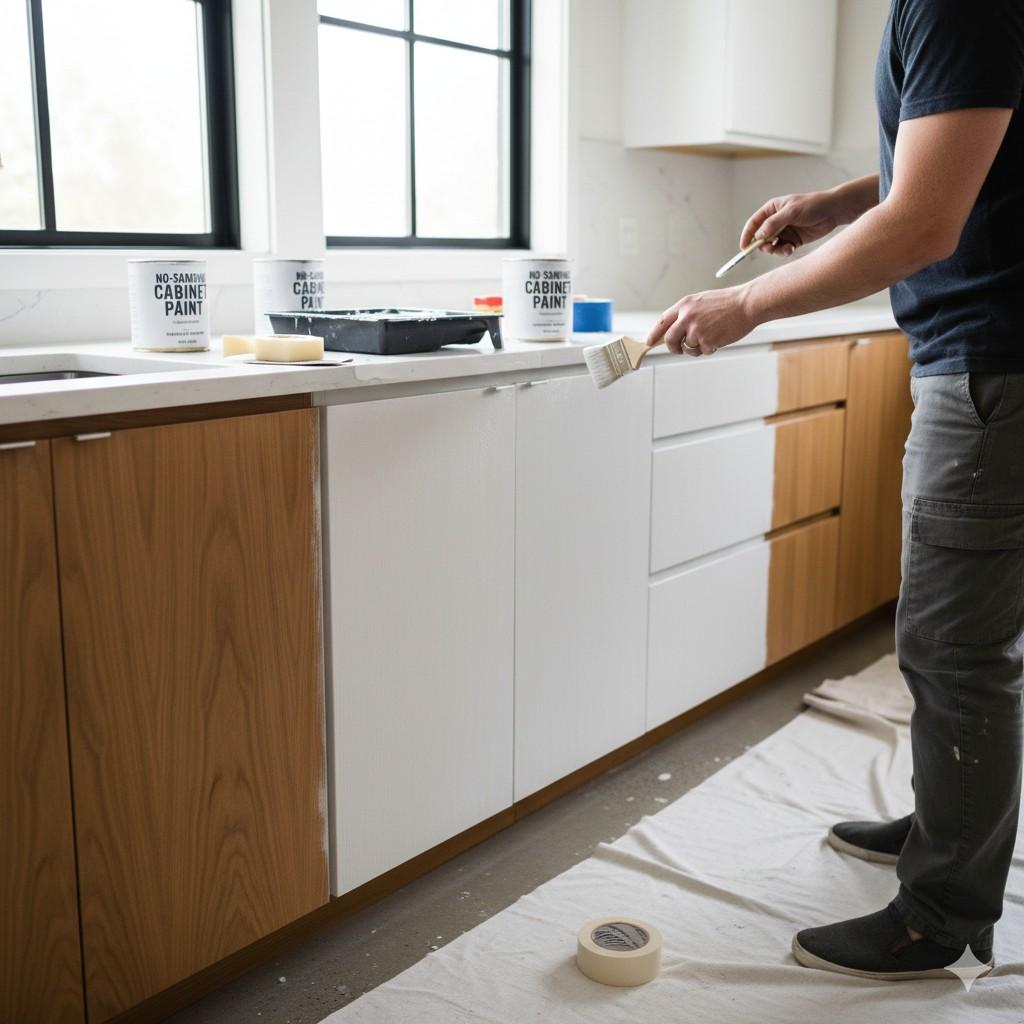
Renovating your kitchen cabinets can seem like a daunting task. The thought of sanding, priming, and prepping before painting might discourage many DIY enthusiasts from starting the project. The good news is, you don’t have to spend hours sanding down your cabinets or applying multiple layers of primer. With modern technology and the right tools, it is possible to achieve a professional-looking finish with no sanding required.
In this No-Prep Guide, we’ll explore the best paint for kitchen cabinets without sanding. We’ll discuss why sanding isn’t necessary, which paints are ideal for this purpose, and how to apply them for a smooth, flawless finish. Whether you’re a first-time DIYer or an experienced homeowner looking to update your kitchen, this guide will give you all the information you need to transform your kitchen cabinets in no time.
Why You Can Paint Kitchen Cabinets Without Sanding
Traditionally, sanding was a critical step in painting cabinets because it helped to create a rough surface that allowed paint to bond better. However, modern paint formulations have evolved to include powerful bonding agents that allow the paint to stick to smooth, glossy surfaces without the need for sanding or priming. This means that certain paints are designed to adhere directly to the surface, even if it’s shiny, slick, or already painted.
Benefits of Painting Without Sanding
- Saves Time: Sanding can be a time-consuming and messy process, so skipping it means you can finish your kitchen project in less time.
- Less Mess: No sanding means less dust and debris, keeping your kitchen cleaner throughout the process.
- Easier for Beginners: If you’re new to DIY painting, skipping sanding makes the process less intimidating and easier to manage.
- Minimal Prep Work: With the right paint, you can skip several preparation steps, making the entire process quicker and simpler.
Key Factors to Consider for No-Sanding Cabinet Paint
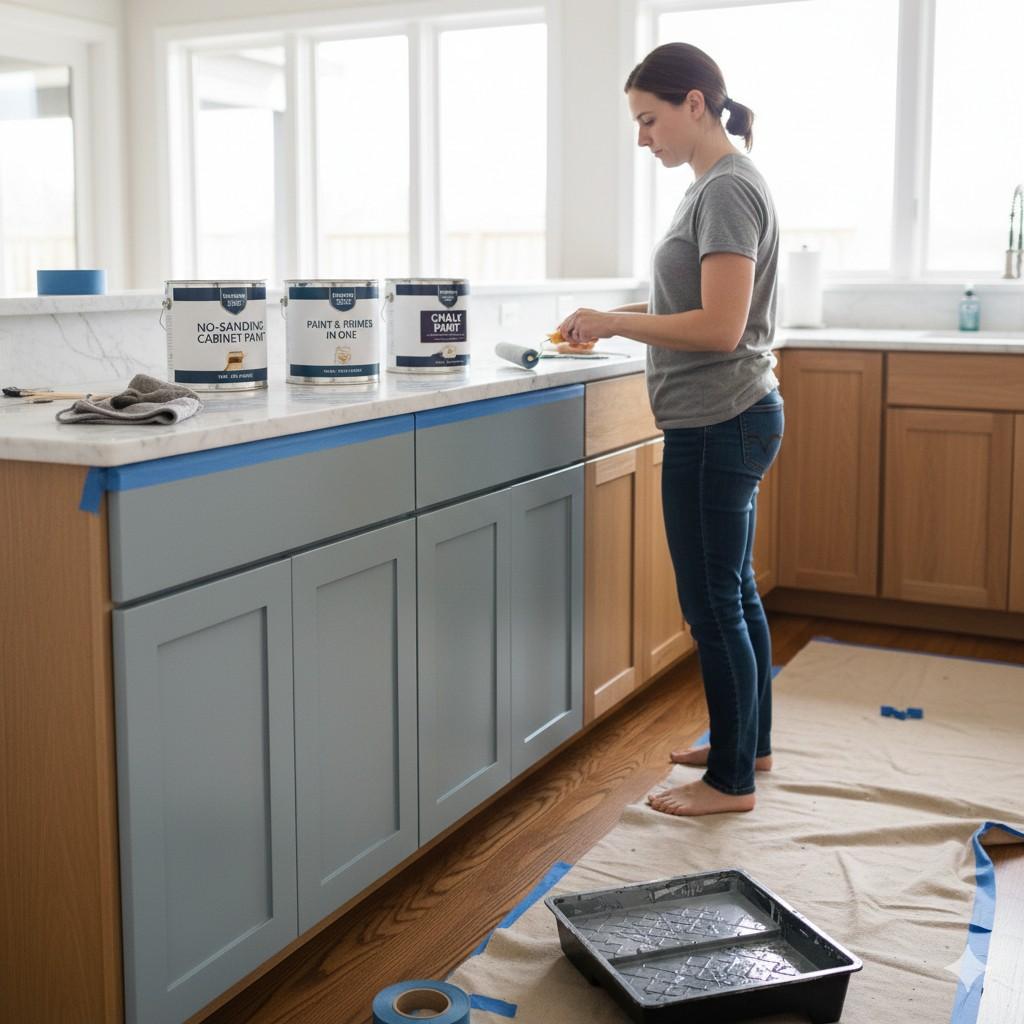
Before diving into the best paint options for kitchen cabinets without sanding, it’s important to understand a few key factors to ensure a successful paint job.
1. Paint with Bonding Primer
Paints that are specifically designed to bond with existing surfaces are essential when painting without sanding. These paints contain bonding primers that allow them to adhere to wood, laminate, or melamine cabinets without sanding.
| Paint Type | Best For | Key Features |
|---|---|---|
| Bonding Paint | Wood, Laminate, Metal | Paints with built-in bonding primer for smooth surfaces |
| Chalk Paint | Distressed finishes, wood, metal | Provides a matte, smooth finish, no sanding required |
| Latex Paint | Wood cabinets | Easy to clean, fast-drying, low VOC |
| Milk Paint | Wood, furniture | Non-toxic, natural finish, often requires sealing |
2. Paint Formula
To achieve a flawless finish, it’s important to choose the right paint formula. Modern acrylic paints and latex paints are known for their adhesion properties, especially when paired with a bonding primer. These paints can be used directly on kitchen cabinets and are easy to apply. They also dry quickly, allowing you to complete your project faster.
| Paint Formula | Best For | Benefits |
|---|---|---|
| Acrylic Paint | Wood, Laminate, Metal | Fast drying, easy to clean, eco-friendly |
| Latex Paint | Wood, Metal, Plastic | Great for smooth finishes, quick-drying |
| Chalk Paint | Wood, Furniture, Cabinets | Matte finish, perfect for distressing, no sanding needed |
| Milk Paint | Wood, Furniture, Cabinets | Natural, eco-friendly, soft, rustic finish |
3. Durability and Resistance
The kitchen is a high-traffic area that is exposed to moisture, grease, and frequent cleaning. The paint you choose must be durable, moisture-resistant, and able to withstand the rigors of daily kitchen use. Semi-gloss or satin finishes are recommended for kitchen cabinets because they are easy to clean and resist stains and moisture better than flat finishes.
| Finish Type | Best For | Key Benefits |
|---|---|---|
| Matte | Vintage-style, rustic kitchens | Soft, elegant finish, perfect for shabby-chic kitchens |
| Satin | Modern kitchens | Low sheen, easy to clean, durable, and versatile |
| Semi-Gloss | High-traffic kitchens | High resistance to moisture, grease, and dirt |
| High-Gloss | Contemporary kitchens | Mirror-like finish, resistant to dirt and moisture |
Best Paint for Kitchen Cabinets Without Sanding
Now that we’ve covered the key factors to consider, let’s explore the best paints that allow you to paint kitchen cabinets without sanding.
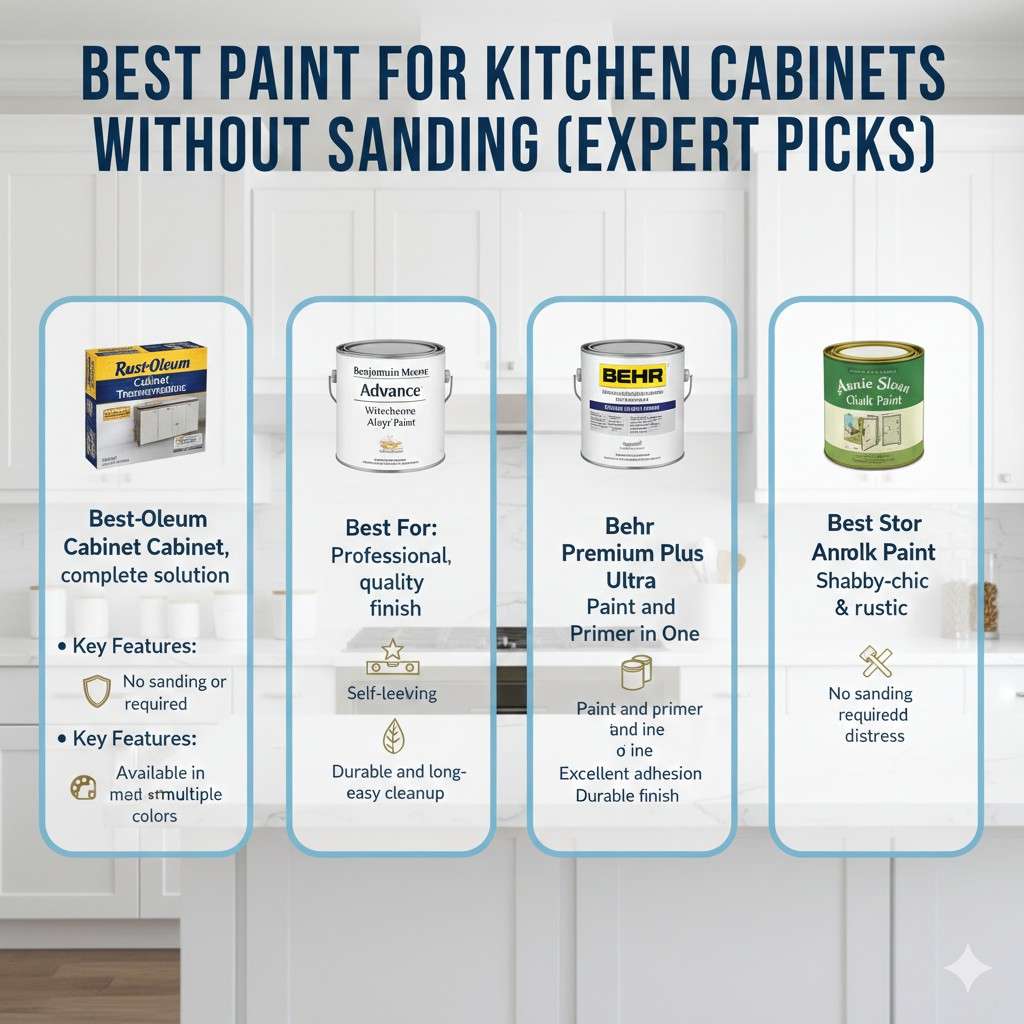
1. Rust-Oleum Cabinet Transformations Kit
Best For: Easy-to-use, complete solution for painting kitchen cabinets.
Why Choose It?
The Rust-Oleum Cabinet Transformations Kit is designed specifically for cabinet refinishing without sanding. The kit includes everything you need, including a bonding primer that ensures the paint adheres to your cabinets. It’s an excellent choice for DIYers looking for a simple, effective solution.
Key Features:
- No sanding or priming required: The kit comes with a bonding primer for adhesion.
- Includes topcoat: Protects your cabinets from stains, scratches, and moisture.
- Available in multiple colors: Choose from various finishes, including satin and glossy.
2. Benjamin Moore Advance Waterborne Alkyd Paint
Best For: Professional-quality finish, easy to apply.
Why Choose It?
Benjamin Moore Advance is a waterborne alkyd paint that provides the smooth finish of traditional oil-based paints but without the need for sanding or priming. It’s perfect for cabinets that need a high-gloss or satin finish.
Key Features:
- Self-leveling: Reduces brush marks for a smoother finish.
- Durable and long-lasting: Resistant to moisture and wear.
- Low odor and easy cleanup: Waterborne formula for easy maintenance.
3. Behr Premium Plus Ultra Paint and Primer in One
Best For: Budget-friendly, versatile paint option.
Why Choose It?
Behr Premium Plus Ultra is a paint and primer in one, making it a budget-friendly solution for painting cabinets without sanding. It offers good coverage and durability, ideal for kitchens that need a quick makeover.
Key Features:
- Paint and primer in one: Saves time and effort.
- Excellent adhesion: No sanding required for most cabinet surfaces.
- Durable finish: Provides a satin or semi-gloss finish for easy cleaning.
4. Annie Sloan Chalk Paint
Best For: Shabby-chic and rustic kitchen makeovers.
Why Choose It?
Annie Sloan Chalk Paint is a go-to choice for creating distressed, vintage-style cabinets. It adheres to most surfaces without sanding and provides a matte, chalky finish. If you’re going for a rustic or shabby-chic kitchen makeover, this paint is perfect.
Key Features:
- No sanding required: Perfect for quick projects.
- Matte finish: Provides a soft, vintage look.
- Easy to distress: Perfect for a distressed, worn-out finish.
See also Best Paint Brush for Kitchen Cabinets
Comparison of Best Paints for Kitchen Cabinets Without Sanding
| Paint Brand | Finish Type | Key Features | Best For |
|---|---|---|---|
| Rust-Oleum Cabinet Transformations | Satin, Glossy | All-in-one kit, bonding primer included, easy to use | DIYers looking for a complete kit |
| Benjamin Moore Advance | High-gloss, Satin | Waterborne alkyd, self-leveling, durable | Professional-quality finishes |
| Behr Premium Plus Ultra | Satin, Semi-gloss | Paint and primer in one, excellent adhesion | Budget-conscious DIYers |
| Annie Sloan Chalk Paint | Matte | Distressed finish, no sanding required | Vintage and rustic kitchens |
Step-by-Step Guide: How to Paint Kitchen Cabinets Without Sanding
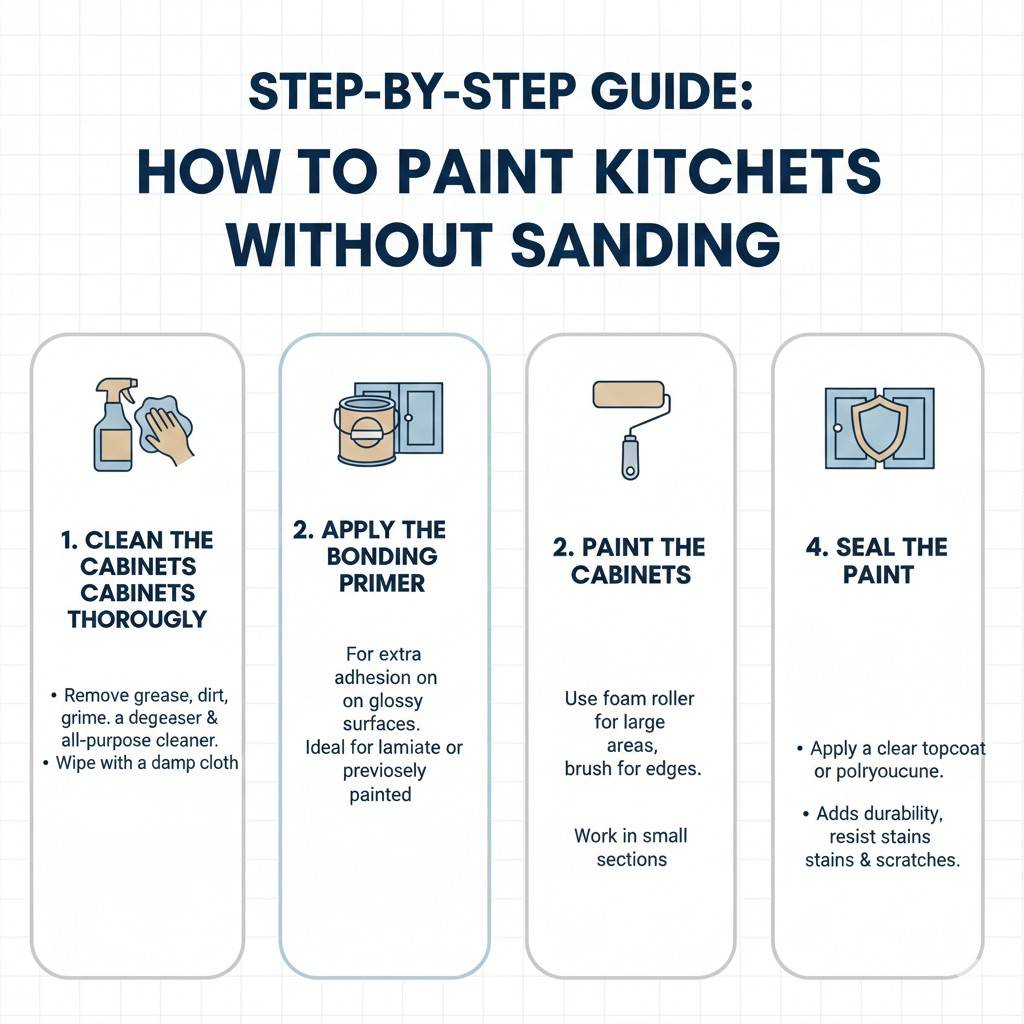
Now that you know the best paints for kitchen cabinets without sanding, follow this simple step-by-step guide to get professional results:
1. Clean the Cabinets Thoroughly
Before you paint, it’s crucial to clean your cabinets to remove any grease, dirt, or grime. Use a degreaser or all-purpose cleaner to ensure a clean surface for the paint to adhere to. Wipe the surfaces with a damp cloth after cleaning.
2. Apply the Bonding Primer (If Needed)
Even though some paints have a built-in primer, it’s always a good idea to apply a bonding primer for additional adhesion. The primer ensures that the paint sticks to glossy surfaces like laminate or previously painted cabinets.
3. Paint the Cabinets
- Use a High-Quality Brush or Roller: For large surfaces, use a foam roller to apply the paint, and for trim and edges, use a high-quality synthetic brush.
- Apply Thin, Even Coats: Start with a thin layer and let it dry before applying a second coat. This prevents drips and ensures a smooth finish.
- Work in Small Sections: Paint one section at a time to avoid over-applying or missing spots.
4. Seal the Paint
Once the paint is dry, apply a clear topcoat or polyurethane to protect the finish. This will add durability and help the paint resist stains, scratches, and moisture.
Conclusion
Choosing the best paint for kitchen cabinets without sanding can make your kitchen makeover project easier, faster, and more affordable. Whether you go for Rust-Oleum Cabinet Transformations for a complete solution or Benjamin Moore Advance for a professional finish, no-sanding paints offer an excellent way to transform your kitchen without the hassle of sanding.
With the right paint and a little effort, you can achieve a smooth, durable finish on your kitchen cabinets, giving your kitchen a fresh, updated look. So, are you ready to update your kitchen cabinets without the mess of sanding? Choose the paint that works best for you and start your makeover today!
Looking for more DIY kitchen makeover ideas? Subscribe to our newsletter for expert tips, product recommendations, and more!
FAQs
What’s the best paint for kitchen cabinets without sanding?
The best paint options for kitchen cabinets without sanding include Rust-Oleum Cabinet Transformations, Benjamin Moore Advance, and Behr Premium Plus Ultra.
Can I use chalk paint on kitchen cabinets without sanding?
Yes, Annie Sloan Chalk Paint works well on cabinets without sanding, giving a matte, vintage finish. Just remember to seal it with wax or polyurethane for durability.
How do I clean my kitchen cabinets before painting without sanding?
Use a degreaser or all-purpose cleaner to thoroughly clean the cabinets, removing grease and grime. Wipe down with a clean cloth before starting.
How many coats of paint do I need for kitchen cabinets without sanding?
Typically, two to three coats of paint are needed, depending on the color and surface. Always allow each coat to dry before applying the next.
Do I need to seal the paint on kitchen cabinets?
Yes, applying a protective topcoat or polyurethane will help protect the finish from moisture, grease, and wear, making your cabinets more durable.
