
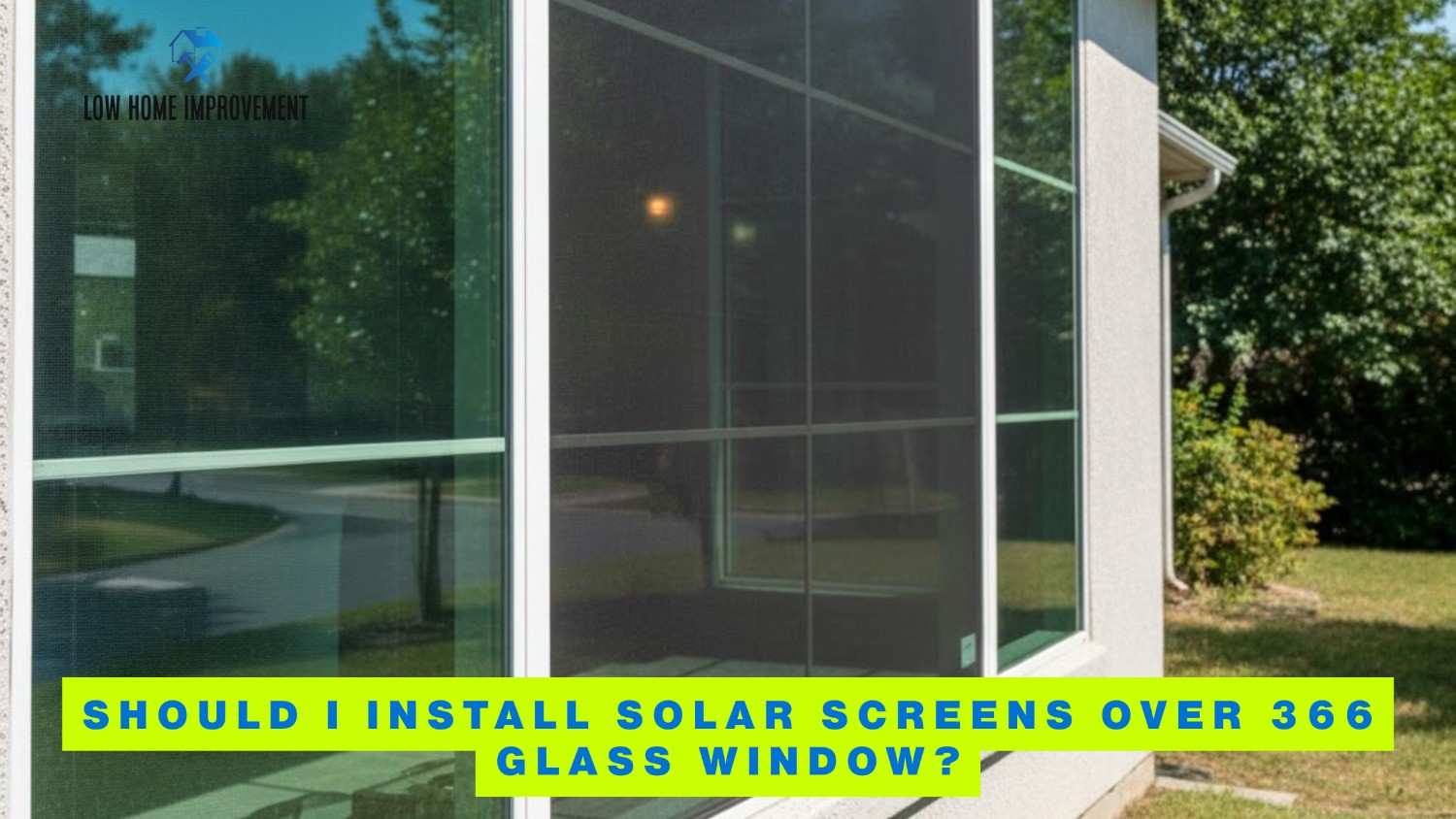
Windows with 366 glass are designed to improve comfort and energy efficiency, but homeowners in sunny or hot climates often discover that heat, glare, and UV exposure can still be a problem.
Direct sunlight streaming through 366 glass windows may warm up rooms, fade furniture, and make screens, televisions, and reflective surfaces uncomfortable to look at during the brightest times of day.
Because of these issues, many homeowners consider installing solar screens over low-E 366 glass windows to further reduce UV radiation, glare, and interior heat buildup.
Solar screens are a simple and effective upgrade that can dramatically change the comfort level of your home. They lower indoor temperatures, block UV rays, increase privacy, and help reduce air-conditioning costs.
But are they necessary if you already have energy-efficient low-E 366 glass? Are there drawbacks? And should you install them yourself or hire a professional?
In this guide, you’ll learn exactly how solar screens work with 366 glass, the benefits and downsides, real cost considerations, installation tips, and how to decide whether solar screens are the best solution for your home and climate.
What Are Solar Screens and How Do They Work?
Solar screens are designed to limit the amount of heat and sunlight entering through windows by filtering solar radiation before it meets the glass surface. Unlike curtains or window tint, solar screens block sunlight outside the window, dramatically reducing heat transfer.
Definition of Solar Screens
Solar screens are mesh panels installed either inside or outside of windows. They are typically made from specially woven synthetic materials such as fiberglass or PVC-coated polyester. The mesh density determines how much light is blocked; common options include 70%, 80%, or 90% blockage.
They work by:
- blocking solar heat gain
- filtering harmful ultraviolet (UV) rays
- reducing visible light intensity
Solar screens can be mounted on:
- exterior frames
- sliding tracks
- removable seasonal frames
- interior tension-mounted brackets
How Solar Screens Protect low-E 366 Glass Windows
Low-E 366 glass is already engineered to reflect a portion of solar energy, but when intense sunlight repeatedly strikes the glass surface, the window still heats up.
Solar screens dramatically reduce this thermal stress. Lower surface temperature means less expansion and contraction, contributing to longer window life and seal longevity.
They also help maintain more even room temperatures, which improves comfort especially in south-facing rooms.
When paired together, solar screens and 366 glass form a layered defense system, filtering UV rays, limiting glare, and decreasing both radiant and convective heat transfer for superior climate control.
Solar screens add another layer of protection by:
- blocking a portion of solar radiation before it reaches the glass
- minimizing glare that 366 glass coatings alone may not eliminate
- reducing stress on HVAC systems
- preventing heat buildup on the window surface itself
This combination is especially powerful in:
- south- and west-facing windows
- large picture windows
- patio doors
- high-sun exposure homes
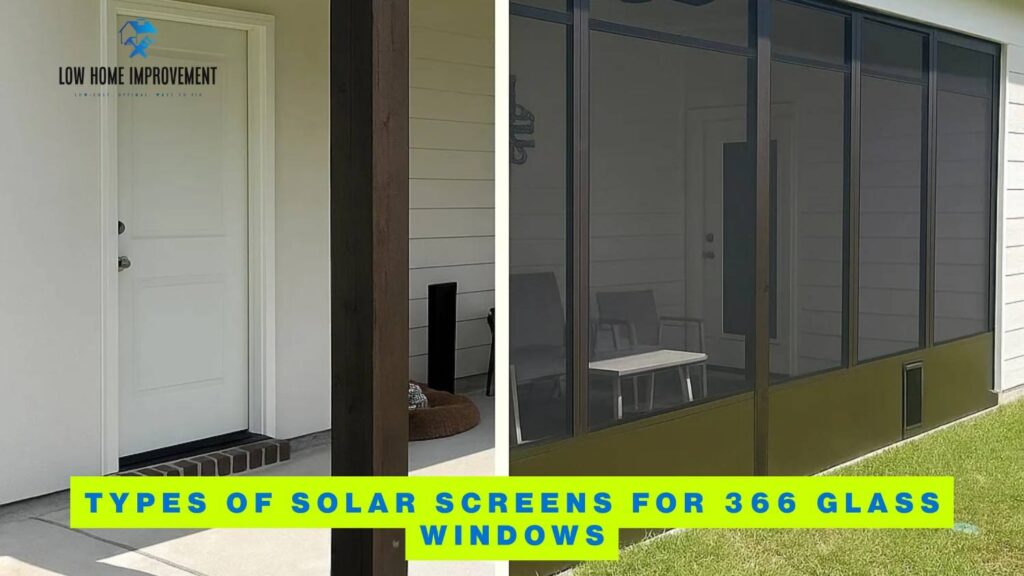
Types of Solar Screens for 366 Glass Windows
| Type | Description | Benefits | Best Use Case |
|---|---|---|---|
| Exterior solar screens | Installed outside window | Maximum heat blocking | Hot climates, direct sun |
| Interior solar screens | Mounted inside frame | Easier DIY installation | Moderate sunlight areas |
| 70% mesh | Light shading | Keeps brighter interiors | Mild climates |
| 80% mesh | Balanced shade & view | Good glare reduction | Most homes |
| 90%+ mesh | Maximum heat control | Strong privacy | Extreme heat areas |
| Retractable screens | Roll up/down design | Flexible use | Seasonal climates |
When selecting the right solar screen, mesh density is one of the most important decisions. A denser mesh blocks more sunlight, but also dims the interior slightly more.
Homeowners who prioritize views often choose 70–80%, while those battling extreme heat usually select 90% density.
There are also color variations; darker screens absorb light and improve outward visibility, while lighter colors reflect heat but may show dust more easily.
Framing choices also impact durability — aluminum frames offer strength in windy climates, while vinyl frames are lighter and resist corrosion in humid or coastal regions.
Exterior solar screens
- installed outside the window
- most effective for heat reduction
- ideal for harsh sun exposure
Interior solar screens
- easier DIY install
- slightly less heat-blocking ability
- maintain more natural light
Different mesh densities
- 70%: good balance of light and heat control
- 80%: strong UV and glare reduction
- 90%+: maximum privacy and shading
DIY vs professional
- DIY kits reduce cost
- professionals ensure proper fit and longevity
See also Can You Paint Shingles
Should You Install Solar Screens on 366 Glass Windows?
Yes—Install Solar Screens if Heat, Glare, or UV Damage Are a Problem
If your 366 glass windows still allow noticeable heat, glare, or fading inside your home, then installing solar screens is worth it. Low-E 366 glass already improves efficiency, but it doesn’t completely stop radiant heat or harsh sunlight.
Solar screens block 60–90% of solar heat and UV rays before they reach the glass, which keeps rooms cooler, reduces glare on TVs and computers, protects furniture from fading, and lowers air-conditioning costs.
They also add daytime privacy without fully blocking natural light. However, if your windows are shaded, face north, or don’t experience heat buildup, you may not need them.
For sunny, west- or south-facing windows, solar screens are a practical upgrade that improves comfort and energy efficiency with a relatively low investment.
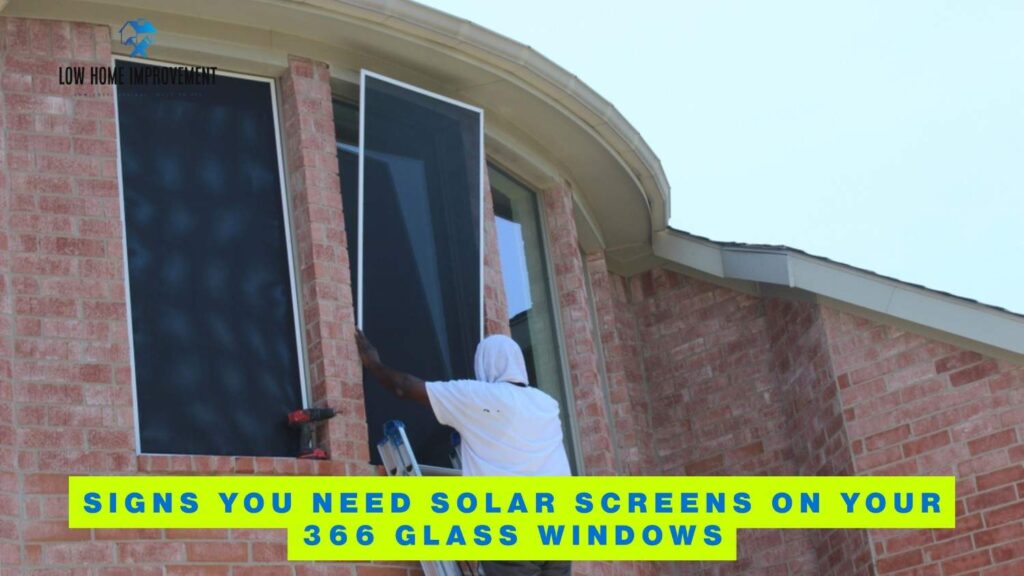
Signs You Need Solar Screens on Your 366 Glass Windows
| Symptom | What It Means |
|---|---|
| Rooms are hot in afternoon | Excess solar heat gain |
| Furniture or floors fading | UV exposure penetrating glass |
| Glare on TV or computer screens | Visible light intensity too high |
| High energy/cooling bills | HVAC working harder |
| Windows feel hot to touch | Heat buildup on glass surface |
| Closing blinds often | Light control problem |
| Street-side privacy concerns | Window visibility too open |
Why You Might Need Solar Screens on 366 Glass
Even though 366 glass is designed for energy efficiency, real-world use shows that solar radiation can still cause discomfort in many homes.
Excessive Heat and Sunlight
Excess solar heat gain doesn’t only affect comfort; it can also strain your air conditioning system. When sunlight continually heats indoor air, the HVAC unit runs longer and cycles more frequently, shortening equipment lifespan.
Some homeowners also notice warping of wood trim or cracking of caulking around windows due to prolonged sun exposure. Solar screens reduce this constant heat stress.
They create a shaded air pocket between the screen and the glass, lowering indoor temperature and protecting surrounding building materials, making them especially valuable in climates that experience long summers or intense afternoon sunlight.
In hot climates, 366 glass still allows a portion of heat to radiate indoors. Signs you may benefit from solar screens include:
- rooms becoming uncomfortably warm in afternoon sun
- hot spots near windows
- increased summer cooling bills
- noticeable warmth radiating off glass
Glare can also bounce off glass onto:
- floors
- electronics
- televisions
- mirrors
UV Protection and Furniture Preservation
UV rays gradually break down dyes and fibers in fabrics, resulting in fading or discoloration that becomes noticeable over months or years.
Hardwood floors can also bleach unevenly, leading to visible light patches where the sunlight hits the strongest. Replacing flooring, curtains, or upholstered furniture is significantly more expensive than installing solar screens.
By blocking much of the UV spectrum before it reaches the interior, solar screens slow aging of décor materials. This makes them particularly beneficial in rooms with artwork, antiques, leather furniture, or family heirlooms sensitive to sunlight exposure.
Ultraviolet rays fade:
- carpets
- hardwood floors
- drapes
- artwork
- upholstery
Even with low-E 366 glass, cumulative UV exposure continues over time. Solar screens significantly reduce UV intensity, offering long-term protection at a lower cost than replacing furniture or flooring.
Energy Efficiency and Lower Cooling Costs
Energy savings are one of the main reasons homeowners consider solar screens, especially in regions where cooling loads are high. By reducing heat transmission, air conditioners do not need to work as hard to maintain comfortable temperatures.
This decreases monthly energy bills as well as yearly mechanical wear on the system. Solar screens also complement smart thermostats and efficient insulation, forming part of an integrated home energy strategy.
Over time, these cumulative savings can offset the cost of purchase and installation, providing measurable financial benefits in addition to comfort and environmental advantages.
Solar screens reduce cooling load by blocking radiant heat before it enters the structure. This:
- lowers AC runtime
- creates more stable indoor temperatures
- improves comfort in high-sun rooms
For warm or desert regions, screens can be one of the most cost-effective comfort upgrades available.
Benefits of Installing Solar Screens on 366 Glass
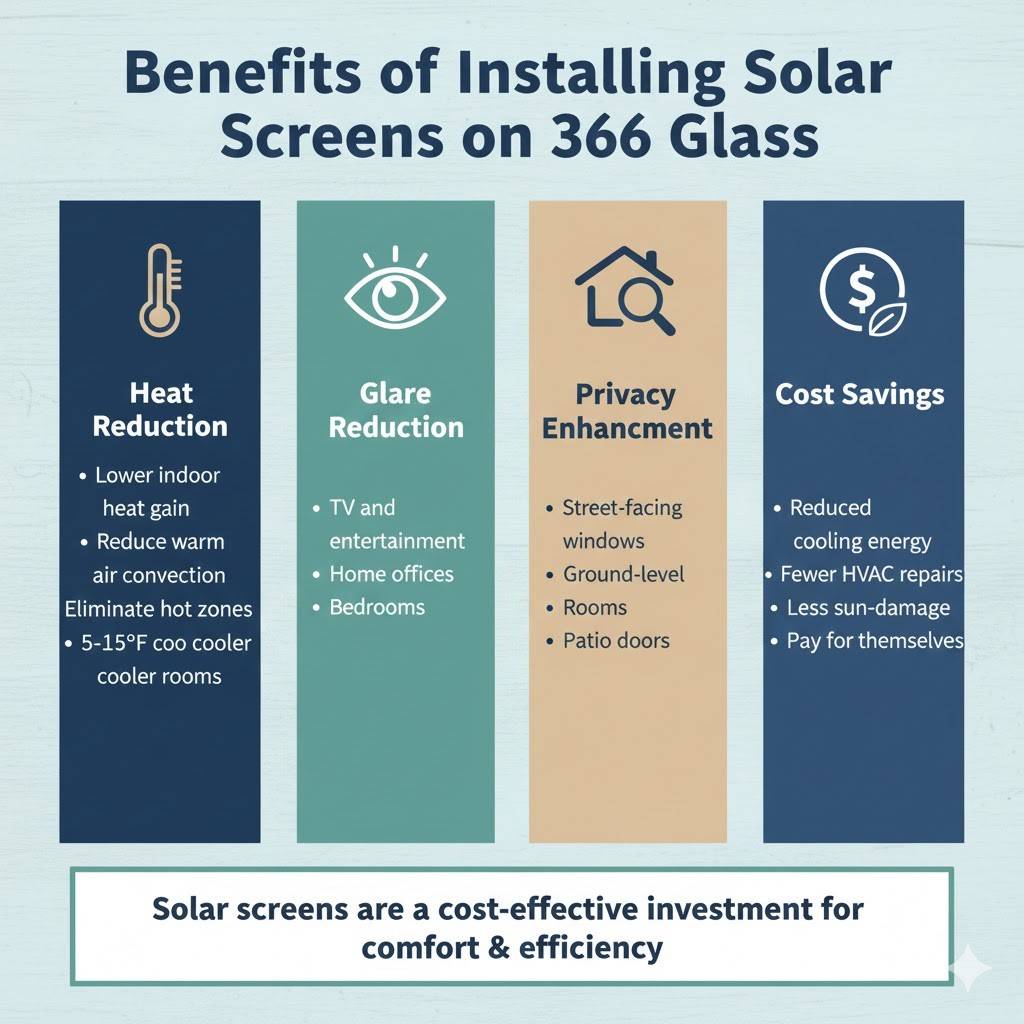
Heat Reduction
Heat reduction is most noticeable during peak sunlight hours, typically mid-afternoon through early evening. Without solar screens, large windows can create “radiant heat zones” near the glass where air feels significantly warmer.
This discomfort often forces people to avoid sitting or working near bright windows. After solar screens are installed, room temperature tends to equalize, making spaces more usable throughout the day.
This improved comfort contributes to better sleep in sun-facing bedrooms and more productivity in bright office spaces. The reduction in thermal discomfort is one of the most immediately appreciated benefits.
The most noticeable benefit is temperature control. Solar screens:
- lower indoor heat gain
- reduce warm air convection near windows
- eliminate hot zones near sunny glass
Homeowners often report 5–15°F cooler rooms depending on climate and exposure.
Glare Reduction
Glare doesn’t just affect comfort — it can strain the eyes and reduce visual clarity. Bright reflected light from floors or walls makes it difficult to read, use electronics, or watch television.
Solar screens diffuse incoming light rather than blocking it completely, creating softer illumination that is easier on the eyes.
Home offices benefit the most because monitor reflections can be reduced significantly, improving visibility and focus.
Students and remote workers find that solar screens allow them to maintain natural daylight while eliminating the harsh brightness that typically forces blinds or curtains to be closed. They are especially beneficial for:
- TV and entertainment areas
- home offices
- bedrooms with morning sunlight
Privacy Enhancement
Privacy is a major reason homeowners install solar screens in urban neighborhoods or along busy streets. During the daytime, solar screens function much like one-way privacy filters.
You can see outside clearly, but passersby see a darkened screen surface rather than the inside of your home. This makes them a great alternative to heavy curtains that block natural light.
At night, however, when interior lights are bright, the privacy effect decreases, so many homeowners combine solar screens with blinds for evening use. Still, the daytime privacy improvement alone is highly valued by most users. This is ideal for:
- street-facing windows
- ground-level rooms
- patio doors
Cost Savings
Financial benefits from solar screens accumulate in several ways. First, energy consumption declines because the cooling system runs less often. Second, furniture and flooring last longer without UV damage, delaying costly replacements.
Third, HVAC systems may require fewer repairs because they operate under less stress during summer heat waves. Finally, solar screens themselves are relatively low-maintenance and do not require electricity unless using motorized options.
Compared to structural changes like awnings or new window installations, solar screens are one of the most cost-effective investments homeowners can make to control sunlight and temperature.
Savings occur in multiple ways:
- reduced cooling energy consumption
- fewer HVAC repairs due to lower workload
- less sun-damage replacement cost on furniture and flooring
Over time, screens often pay for themselves in energy savings alone.
Estimated Cost Range for Solar Screen Installation
| Installation Type | Average Cost per Window | Notes |
|---|---|---|
| DIY kit | $25 – $75 | Measure and assemble yourself |
| Pre-made standard size | $50 – $120 | Limited size options |
| Custom-fit screens | $90 – $250 | Best appearance and durability |
| Professional installation | $150 – $400 | Includes labor & measuring |
| Retractable/motorized | $300 – $900 | Premium upgrade |
Potential Drawbacks of Solar Screens
An honest evaluation is important before installation.
Initial Installation Cost
While solar screens are cost-effective in the long run, the upfront cost may still factor into decision making. Custom-fitted screens designed for large or uniquely shaped windows typically cost more than standard sizes.
Additional expenses arise when choosing premium UV-resistant mesh, corrosion-resistant frames, or motorized retractable systems.
However, homeowners should also consider the long-term financial benefits they offer through energy savings and reduced interior fading.
Evaluating budget, climate, and number of affected windows helps determine whether to install screens gradually or complete the entire home at once.
Costs depend on:
- screen material quality
- frame style
- custom versus standard sizing
- professional versus DIY labor
While not excessive, it is still an investment.
Reduced View or Light
Some homeowners hesitate to install solar screens because they worry about losing outdoor visibility. While screens do slightly darken view, many users find that reduced glare actually improves clarity, particularly in bright sunlight.
The brain quickly adapts to the filtered lighting. In fact, darker mesh can create a “sunglasses effect,” enhancing contrast rather than obscuring scenery.
Choosing the correct opacity is key — higher densities provide more heat and glare control, while lighter densities maintain brighter indoor spaces.
Ultimately, the trade-off between reduced light and improved comfort depends on personal preference.
Maintenance Considerations
Maintenance requirements for solar screens are relatively minimal, but periodic care extends their lifespan. Dust, pollen, and insects can accumulate on exterior screens, especially in windy or agricultural regions.
Gently rinsing with a hose and mild soap keeps mesh clear and maintains airflow. Inspect frames annually for loosening screws or weather wear.
In storm-prone areas, removable screens can be taken down temporarily to prevent wind damage. With simple maintenance practices, most solar screens last over a decade, making them a durable exterior shading solution compared with interior fabric options.
Solar screens require:
- periodic cleaning
- occasional re-tensioning
- repairs after storm damage
Exterior screens are more exposed to wind, dust, and debris.
See also Snow Buildup at Door Thresholds
Pros and Cons of Installing Solar Screens on 366 Glass
| Pros | Cons |
|---|---|
| Reduces heat gain significantly | Upfront installation cost |
| Lowers energy and AC bills | Slightly darker interior |
| Cuts glare on screens & TVs | Exterior cleaning required |
| Protects furniture from UV damage | View clarity reduced at night |
| Adds daytime privacy | Quality varies by brand |
| Extends HVAC lifespan | Can be affected by storms/wind |
Comparison: Solar Screens vs Window Tint vs Curtains
| Feature | Solar Screens | Window Tint | Curtains/Blinds |
|---|---|---|---|
| Heat reduction | High | Medium–High | Low–Medium |
| UV protection | High | High | Medium |
| Glare control | High | High | Medium |
| Daytime privacy | High | Low–Medium | Medium |
| Night privacy | Medium | Low | High |
| Energy savings | High | Medium | Low |
| Installation type | Exterior or interior | Permanent film | Interior |
| Removable | Yes | No | Yes |
| Best for 366 glass | ⭐⭐⭐⭐ | ⭐⭐⭐ | ⭐⭐ |
How to Decide If Solar Screens Are Right for You
Assessing Your 366 Glass Window Exposure
Sun exposure varies dramatically based on home orientation. South- and west-facing windows receive the strongest afternoon heat. Upper-story windows tend to be hotter because less shading occurs from trees or nearby buildings.
Large glass areas amplify the greenhouse effect, allowing significant heat to accumulate. Observing your home at different times of day helps identify problem locations.
Rooms that feel warmer than others or require constant blinds-closing are primary candidates for solar screens. Heat complaints in summer, fading flooring, or recurring glare all indicate that supplemental shading would provide measurable benefits.
Ask:
- Does sunlight directly hit your windows for long hours?
- Are rooms on the south or west side hard to cool?
- Do you notice glare on TV or device screens?
Rooms with long daily sun exposure benefit the most.
Comparing Solar Screens vs Alternatives
Each sunlight-control option has unique benefits. Window tint reduces UV penetration but still allows heat absorption into the glass.
Curtains and blinds block light but do not stop heat transfer and require interior darkness to be effective. Exterior awnings provide shade but are more expensive and structurally permanent.
Solar screens bridge the gap — affordable, removable, and effective at intercepting heat before it enters the home.
Many homeowners even layer solutions, such as pairing solar screens with curtains for optimal day-night flexibility. Evaluating alternatives helps ensure the best match to comfort needs.
Alternatives include:
- window tint film
- blackout curtains
- blinds and shades
- awnings
- exterior shutters
Screens are unique because they block heat before it hits the glass.
DIY vs Professional Installation
DIY installation appeals to many homeowners because it dramatically cuts labor costs. Pre-cut kits are widely available and usually include frames, corners, and mesh.
However, accurate measuring and tight tensioning are essential to prevent sagging or rattling in the wind. Professional installers provide cleaner aesthetics, warranty coverage, and perfect fit, particularly for large or irregularly shaped windows.
They can also recommend the right mesh density for climate zone and sun exposure patterns. Ultimately, the choice depends on skill level, budget, and whether visual precision is a major priority.
DIY benefits
- lowest cost
- customizable kits available
- quick installation
Professional installation benefits
- custom fit
- cleaner appearance
- warranty options
- optimal long-term tension and frame alignment
Installation Tips for Solar Screens on 366 Glass
Preparing Your 366 Glass Window
Proper preparation before installing solar screens ensures longevity and performance. Cleaning the window removes dust and oils that could cause friction wear between the glass and screen frame.
Checking for damaged seals or cracks is also important, as screens do not fix existing window problems. Accurate measurements taken from multiple points account for frame variance and ensure snug fitment.
If installing exterior screens, also inspect surrounding siding and trim for secure mounting surfaces. Thorough prep work minimizes installation issues and helps your screens function effectively for many years.
Before installing:
- clean the window and frame
- remove debris and dust
- measure exact dimensions
Accurate sizing prevents sagging and gaps.
Step-by-Step Installation Process
While installation varies slightly by brand or frame type, the overall process remains similar. After securing frames or tracks, the screen mesh is rolled into grooves and locked using spline material. Ensuring consistent tension prevents wrinkles and helps the screen withstand wind pressure. After installation, test functionality of nearby windows, shutters, or insect screens to ensure nothing catches or binds. Small adjustments early on prevent long-term wear and noise issues. Homeowners who feel uncertain during installation can complete prep themselves and still hire professionals for the final mounting phase.
- Mount track or frame (for exterior systems)
- Secure screen corners and edges
- Tension mesh evenly across surface
- Test opening and closing of nearby windows
- Check for wind movement or rattling
Interior screens typically install using clips, snaps, or tension rods.
Safety and Maintenance Tips
Safety during installation is especially important when working on upper floors. Use stable ladders and avoid windy conditions when handling large screens. After installation, routine inspections help catch issues early.
Look for frayed edges, loose mounting brackets, or warping frames. Avoid harsh chemicals when cleaning, as they can degrade UV-protective coatings.
In snow or extreme weather areas, seasonal removal may prolong lifespan. Following these simple safety and care practices ensures that solar screens perform efficiently while maintaining appearance and structural integrity over many years of use.
- avoid pressure washers on screens
- rinse dirt from the outside periodically
- inspect mesh annually for tears
- remove screens during severe storms if necessary
Light soapy water cleaning is usually sufficient.
Cost and Value Considerations
Material Costs
Material cost varies based on mesh type and frame build quality. Higher-density mesh and UV-stabilized fabrics cost more upfront but resist fading and brittleness better than cheaper alternatives.
Aluminum frames add durability compared with vinyl in high-heat regions. Homeowners should also factor in hardware such as clips, spline, track rails, and corner connectors.
When comparing quotes, ask whether pricing includes installation labor or only materials. Considering lifecycle cost rather than just purchase price helps identify the best long-term value rather than simply the cheapest immediate option.
Pricing depends on:
- percentage of light blockage
- frame quality
- UV coating level
DIY basic kits can be affordable, while professionally built custom frames cost more but last longer.
Long-Term Energy Savings
Energy savings accumulate gradually but consistently. In hot climates, air-conditioning often accounts for a significant portion of electricity use. Reducing solar gain even moderately leads to major seasonal savings.
Over several years, these savings frequently equal or exceed the original installation cost. In addition, cooler indoor temperatures enhance comfort and productivity, offering value beyond financial calculations.
Lower indoor temperatures also reduce thermal stress on building materials, helping insulation, drywall, and window seals last longer.
Viewed as an investment rather than an expense, solar screens deliver ongoing returns in both money and comfort.
Homeowners often notice:
- lower AC bills in summer
- cooler room temperatures
- improved comfort during peak sun hours
The return on investment varies, but in hot climates, payback is frequently achieved within a few seasons.
Comparing Brands and Products
When researching solar screen brands, it helps to read customer reviews focusing on durability and color stability. Some low-quality meshes fade or become brittle after prolonged UV exposure.
Look for screens specifically rated for outdoor use and high-temperature resistance. Warranty coverage can indicate manufacturer confidence in longevity.
Availability of replacement parts such as spline and corners is another sign of product reliability. Professional supply companies often offer higher-grade options than big-box retailers, so comparing multiple sources ensures you get the best balance between price and performance.
When shopping:
- check UV blocking percentage
- review warranty coverage
- compare frame durability
- ensure compatibility with window type
More reputable brands usually provide better mesh longevity.
Frequently Asked Questions
How much heat can solar screens block on 366 glass windows?
Depending on mesh density, they can block 60%–90% of solar heat.
Will solar screens affect my view?
Yes, slightly. Darker screens reduce brightness but improve glare comfort.
Can I install solar screens myself?
DIY installation is possible using pre-cut kits, though professionals provide better long-term stability.
How long do solar screens last?
Most high-quality options last 10–15 years with proper care.
Are solar screens more effective than window tint?
Yes — because they block heat before it reaches the glass.
Do solar screens reduce energy bills?
Yes, especially in hot regions with high cooling demand.
Can solar screens protect furniture from UV damage?
They significantly reduce fading and sun bleaching indoors.
Conclusion
Solar screens can be an excellent upgrade even for homes already using 366 glass windows. They enhance energy efficiency, reduce glare, protect furnishings, increase privacy, and improve indoor comfort during the hottest parts of the day.
While there are minor drawbacks such as cost and reduced brightness, the long-term benefits often outweigh the negatives for homeowners in sunny climates.
Before deciding, evaluate your level of sunlight exposure, room comfort, cooling costs, and aesthetic preferences.
If heat, glare, and UV damage are ongoing issues, solar screens are a practical and cost-effective solution that can extend the lifespan of both your windows and your interior furnishings.
Whether installed professionally or as a DIY project, they represent a smart investment in year-round comfort and energy savings.
