
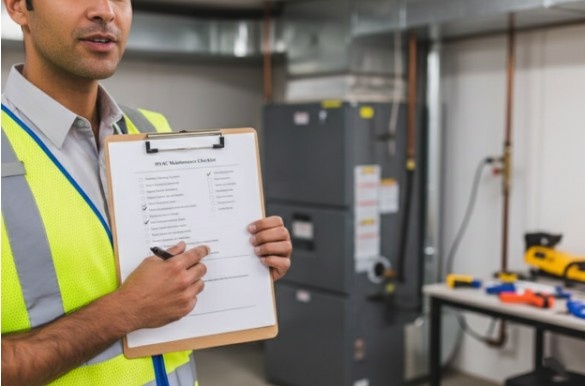
When spring arrives in Maryland, it brings rising humidity, fluctuating temperatures, and the first signs of summer heat. For homeowners and business owners alike, this is the ideal time to prepare your HVAC system before it faces heavy cooling demands. A structured spring maintenance plan protects your investment, improves comfort, and reduces the risk of emergency breakdowns during peak season.
This comprehensive checklist outlines what to inspect, why it matters, and when to schedule professional HVAC maintenance to keep your system operating safely and efficiently.
Why Spring Maintenance Matters in Maryland
Maryland’s climate is known for humid summers and temperature swings between spring mornings and warmer afternoons. That shift places stress on your air conditioner, especially if it has been idle all winter.
Without proper preparation, small issues—like low refrigerant levels or a weak capacitor—can escalate into compressor failure. Preventive care supports:
- Better airflow and indoor comfort
- Improved energy efficiency ratio (EER)
- Longer system lifespan
- Lower risk of mid-summer breakdowns
- Protection of manufacturer warranties
Many warranties require documented annual service. Skipping maintenance could void important coverage.
Early Spring: Start With the Basics
Early spring in Maryland is ideal for visual inspections and simple homeowner tasks before temperatures spike.
1. Replace or Clean Air Filters
Dirty filters restrict airflow, forcing the compressor to work harder. That increases energy use and can overheat internal components.
Checklist:
- Replace disposable filters every 1–3 months
- Ensure proper filter size and rating
- Inspect for dust buildup or debris
- Check commercial rooftop units more frequently
Clean filters improve indoor air quality and reduce strain on the evaporator coil.
2. Inspect the Thermostat
Your thermostat controls system performance. Incorrect settings or poor thermostat calibration can cause uneven cooling or short cycling.
Steps:
- Replace batteries if needed
- Test cooling mode
- Confirm temperature readings are accurate
- Consider upgrading to a programmable or smart model
Proper calibration ensures your system runs efficiently without unnecessary runtime.
3. Clear the Outdoor Condenser Unit
During fall and winter, debris collects around the condenser unit. Leaves, dirt, and branches block airflow and reduce cooling capacity.
Action Items:
- Remove visible debris
- Maintain at least two feet of clearance
- Gently rinse coils with low-pressure water
- Inspect fins for damage
Restricted airflow reduces efficiency and may cause overheating.
Late Spring: Deeper System Inspection
As temperatures climb, internal components require closer attention.
4. Inspect the Evaporator Coil
The evaporator coil absorbs heat from indoor air. Dust buildup insulates the coil and reduces cooling performance.
Signs of a dirty coil include:
- Weak airflow
- Higher energy bills
- Uneven room temperatures
Cleaning coils improves system efficiency and prevents premature wear.
5. Check Refrigerant Levels
Low refrigerant levels limit cooling power and may indicate a leak. Operating with insufficient refrigerant can damage the compressor, one of the most expensive components in your system.
Warning signs:
- Warm air from vents
- Ice on refrigerant lines
- Hissing noises
Refrigerant handling requires licensed professionals due to safety and environmental regulations.
6. Inspect Electrical Components
Capacitors, contactors, and wiring connections should be evaluated before peak demand. A failing capacitor may cause delayed startups or complete system failure.
Ignoring electrical issues increases fire risk and operational instability. Professional inspection ensures safe operation.
Airflow and Ductwork Evaluation
Efficient cooling depends on the proper distribution of conditioned air.
See also HVAC Tune-Up Checklist
7. Inspect Ductwork
Leaky ductwork wastes cooled air and raises energy bills. Even small gaps reduce overall system efficiency.
Look for:
- Uneven temperatures
- Excess dust
- Whistling sounds from vents
Sealing ducts improves airflow balance and comfort.
8. Evaluate Insulation
Adequate insulation in attics and crawl spaces helps maintain indoor temperatures. Poor insulation increases system workload and reduces energy efficiency.
Spring is a good time to inspect insulation before high summer heat settles in.
Before the First Heatwave: Professional AC Tune-Up
A comprehensive AC tune-up is the most effective way to prepare for summer. Professional service typically includes:
- Coil cleaning
- Refrigerant pressure testing
- Electrical component inspection
- Thermostat calibration
- Airflow measurement
- Safety checks
Homeowners and business operators in Maryland benefit from scheduling professional inspections before temperatures exceed 85°F consistently.
Energy Efficiency and Cost Prevention
Regular maintenance directly impacts your energy efficiency ratio. A clean, calibrated system consumes less electricity while delivering consistent cooling.
Ignoring minor issues often leads to:
- Compressor failure
- Refrigerant leaks
- Premature system replacement
- Increased utility bills
Preventive service typically costs far less than emergency repairs during peak summer demand.
Common Mistakes Homeowners Make
Even well-intentioned property owners sometimes overlook critical steps.
- Skipping annual service appointments
- Using incorrect air filters
- Blocking vents with furniture
- Ignoring unusual noises
- Delaying refrigerant leak repairs
These small oversights can reduce system lifespan and compromise safety.
Seasonal Maintenance Timeline
Early Spring (March–April)
- Replace filters
- Inspect thermostat
- Clear condenser area
- Visual duct inspection
Late Spring (May)
- Schedule professional HVAC maintenance
- Inspect the evaporator coil
- Test refrigerant levels
- Check electrical components
Before First Heatwave (Late May–June)
- Complete a full AC tune-up
- Confirm thermostat calibration
- Verify airflow and insulation
- Test system under load conditions
Planning service early helps avoid peak-season scheduling delays.
Commercial Property Considerations
Business owners in Maryland should prioritize spring maintenance to maintain indoor comfort for employees and customers.
Commercial systems experience heavier loads and may require:
- Rooftop unit inspections
- Expanded ductwork evaluation
- Airflow balancing
- Preventive service agreements
Routine inspections reduce downtime and protect operational continuity.
See also Complete Heating Service in Derry, NH from Repairs to Full System Installs
Warning Signs You Should Not Ignore
Contact a licensed technician if you notice:
- Short cycling
- Loud grinding or rattling sounds
- Sudden energy bill increases
- Warm air blowing from vents
- Ice buildup on coils
Delaying professional attention can escalate minor repairs into major expenses.
Safety and Warranty Considerations
HVAC systems involve electrical components, pressurized refrigerant, and moving mechanical parts. Attempting complex repairs without training may cause injury or damage.
Additionally, many manufacturers require documented annual service to maintain warranty protection. Skipping inspections could leave you responsible for full replacement costs.
Frequently Asked Questions
How often should HVAC systems be serviced in Maryland?
Most systems should be serviced at least once a year, ideally in spring for cooling equipment. Properties with heavy usage, such as commercial buildings, may benefit from biannual service. Routine inspections help detect refrigerant leaks, airflow restrictions, and electrical wear before peak summer temperatures arrive.
What happens if I skip spring maintenance?
Skipping service increases the risk of breakdown during high-demand months. Dirty coils, clogged filters, or low refrigerant can strain the compressor and reduce efficiency. Over time, this leads to higher energy bills and possible system failure.
Is replacing an air filter really that important?
Yes. A clogged filter restricts airflow and forces the system to work harder. This reduces efficiency and can cause overheating. Replacing filters regularly is one of the simplest and most cost-effective maintenance steps homeowners can take.
How long does a typical AC tune-up take?
A professional tune-up usually takes 60–90 minutes, depending on system size and condition. Technicians inspect coils, refrigerant pressure, electrical connections, and thermostat function to ensure optimal operation.
Can I clean the condenser unit myself?
Light cleaning, such as removing debris and gently rinsing coils, is safe if power is disconnected. However, deeper cleaning and electrical inspections should be performed by licensed professionals to prevent accidental damage.
Does spring maintenance really improve energy efficiency?
Yes. Cleaning coils, sealing ductwork, and calibrating thermostats improve system performance. A well-maintained unit operates closer to its rated efficiency, reducing strain and energy consumption without overworking components.
Final Thoughts
Spring is the smartest time for homeowners and businesses in Maryland to get ahead of summer heat. By following a structured checklist—inspecting the condenser unit, cleaning the evaporator coil, checking refrigerant levels, ensuring proper airflow, and scheduling a professional AC tune-up—you reduce the risk of breakdowns when your system is needed most.
Preventive care not only protects your energy efficiency ratio and lowers operating costs, but it also extends equipment lifespan and helps maintain warranty compliance. Addressing small issues now prevents expensive emergency repairs later.
For property owners who prefer expert guidance and dependable seasonal service, First Response Heating & Cooling provides thorough spring inspections and professional maintenance designed to keep your HVAC system running safely, efficiently, and reliably throughout Maryland’s demanding summer months.
